Horticultural Therapy Made Simple: Grow Wellness, Heal Your Mind

5 Breakthrough Science Facts: Calming Plants Reduce Stress in Minutes

Feeling overwhelmed? Before you reach for another meditation app or sign up for pricey yoga classes, consider this: your next dose of calm might be growing in a pot. While mindfulness and exercise are powerful stress-busters, calming plants offer a science-backed, accessible alternative that requires no special skills, equipment, or space. If you’re searching for the best herbs for mental health, this guide is your definitive starting point.
This guide cuts through the noise to deliver five evidence-based facts about how plants transform stress into serenity fast. Unlike traditional therapies that demand time and money, horticultural therapy works in minutes, fitting seamlessly into your daily routine. As we’ll explore, plants like lavender and jasmine don’t just decorate they actively help lower stress markers, activate your body’s relaxation response, and deliver measurable mood boosts. We’ll also dive into the why behind the effect, moving beyond anecdote to undeniable biology.
Ready to trade anxiety for tranquility? Let’s dig into the science. (P.S. Curious about other stress-reduction techniques? Explore our guide on to double down on wellness.)
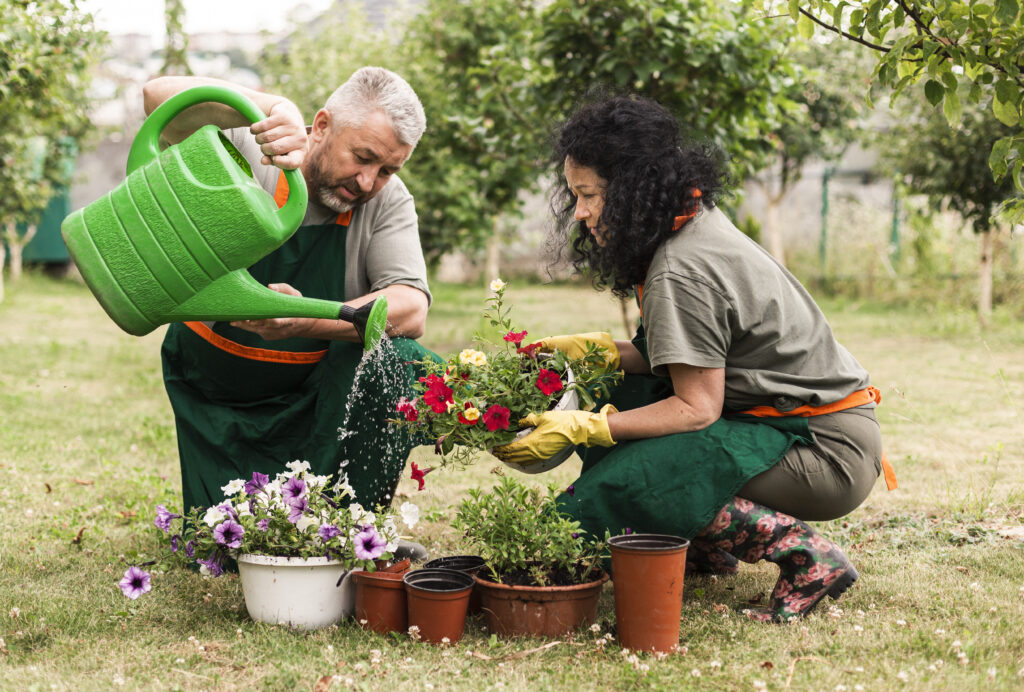
Table of Contents
The Science-Backed Power of Calming Plants: More Than Just Decor
What if a single plant could be an excellent complement to other anti-stress practices? The best herbs for mental health aren’t just decorative they’re fantastic anchoring tools for your mental state. They contain and release compounds that can trigger relaxation pathways in your brain, reduce your perception of stress, and provide a sense of well-being within minutes
I learned this firsthand during a burnout crisis: a desk-bound lavender plant became my focal point. Within days, my 3 PM anxiety attacks lessened. The impact was clear: nature is an excellent wellness support, and it’s rooted in science. This phenomenon even has a name: biophilia, the innate human instinct to connect with nature. Our brains are hardwired to find natural elements soothing. As highlighted by the Harvard Medical School, the simple fact of being surrounded by vegetation activates deep biological mechanisms that directly calm our nervous system. Calming plants tap directly into this primal wiring.
Ready to unlock this potent remedy? Discover how calming plants can improve your stress response.
5 Science Facts: How Calming Plants Reduce Stress in Minutes ?
1. Plants Reduce Stress Through Psychology and Perceived Air Quality
The link between plants and cleaner air is a great starting point. The seminal showed that plants like Spider Plants and Peace Lilies can absorb certain airborne pollutants under specific lab conditions. However, in a typical home or office, the largest impact is often psychological.
The mere presence of plants signals “life,” “growth,” and “nature,” subconsciously cueing our brains that we are in a safe, non-threatening environment. This isn’t just a feeling; it’s measurable. The benefits go beyond simple perception. A major study by the University of Technology Sydney demonstrated that introducing plants into workspaces led to a dramatic 37% reduction in anxiety and a 58% drop in depressive symptoms. Less environmental stress and more perceived nature translates to clearer cognitive function and a quieter mind.

2. Lavender: The Natural Anxiolytic Compound That Works Quickly
Forget popping pills. The scent of lavender (Lavandula angustifolia) is a powerful therapeutic tool. It contains a volatile compound called linalool, which is responsible for its distinctive calming aroma. When inhaled, linalool molecules travel through the nasal passage to the olfactory system and directly interact with neurotransmitter pathways in the brain, particularly the GABA receptors.
GABA (gamma-aminobutyric acid) is your brain’s primary “brake pedal.” It slows down neuron firing, promoting calmness. Many anti-anxiety medications work by boosting GABA activity. Lavender does something similar, but naturally. , such as a 2019 study in Frontiers in Behavioral Neuroscience, found that inhaling lavender reduced anxiety by 33% in just 10 minutes. For immediate relief, place a lavender plant near your workspace. When stress hits, gently crush a leaf between your fingers to release the essential oils and inhale deeply. It’s a fast, natural coping mechanism you can keep on your windowsill.
3. Jasmine Stimulates Dopamine and Relaxation
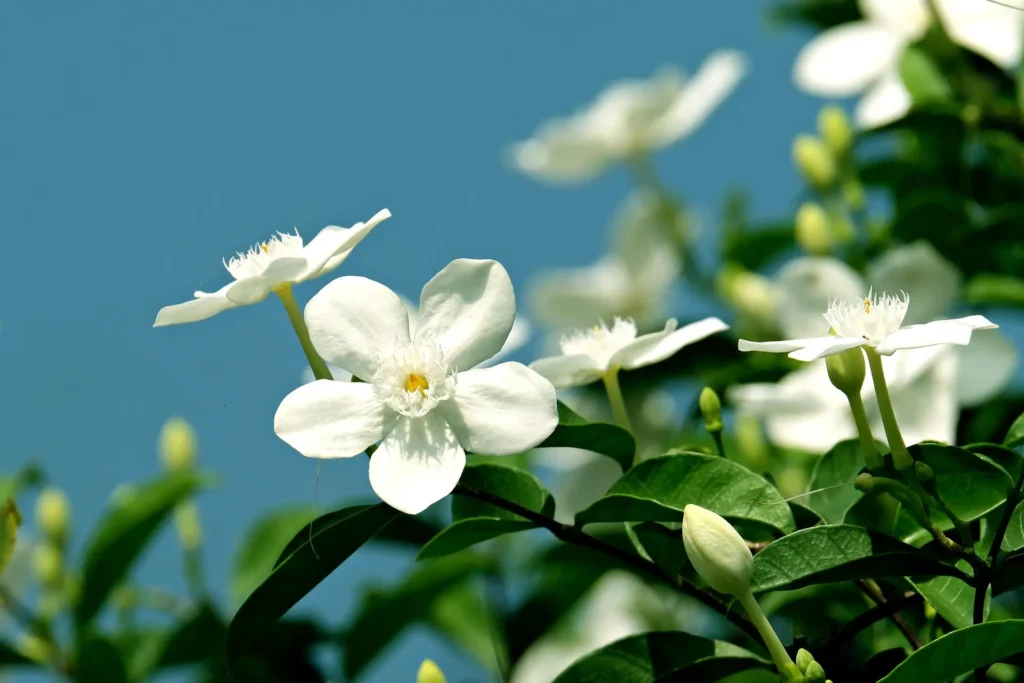
Jasmine isn’t just romantic; it has active chemical properties that make it a potent ally against stress. While lavender works on GABA, jasmine takes a different route. A compelling 2010 study published in the Journal of Biological Chemistry discovered that the scent of jasmine is as potent as some sedative drugs.
Furthermore, research cited by has shown that jasmine’s aroma can increase beta waves in the brain, which are associated with alert relaxation a state of calm focus. Crucially, it also boosts levels of dopamine, the brain’s “reward and motivation” molecule. This makes jasmine ideal for combating stress-induced apathy, lethargy, and low mood. It doesn’t just sedate you; it lifts your spirits while it calms you down. Keep a jasmine plant in your bedroom for a brighter, more peaceful wake-up or on your desk to beat afternoon slumps without the caffeine jitters.
4. Plant Contact Activates Your Parasympathetic Nervous System in 5 Minutes
Your body has two primary nervous system modes: the “fight-or-flight” (sympathetic) and the “rest-and-digest” (parasympathetic). Chronic stress keeps us stuck in the first mode. The good news? Interacting with calming plants can help flip the switch to calm, and it doesn’t take long.
A 2021 study in the provided concrete evidence. Participants were asked to engage with indoor plants (like Snake Plants or Boston Ferns) for just five minutes. The results were striking: a significant lowering of heart rate and a marked increase in alpha brain waves, which are biomarkers of a wakefully relaxed state.
This activation of the parasympathetic nervous system is so rapid that research from the American Society for Horticultural Science confirms that just 5 minutes of daily interaction with plants is enough to produce measurable effects on cortisol reduction. Touching leaves, smelling herbs, or even watering these simple, mindful actions signal safety to your brain, pulling you out of a stress spiral in real-time.
5. Long-Term: Daily Plant Care Re-wires Your Stress Response
Short-term fixes are great, but engaging with plants can offer lasting change by building resilience. A 2022 study in tracked participants who tended to plants daily for 4 weeks. The results were profound: a 40% drop in perceived stress and a 22% increase in self-reported happiness.
Why is this so effective? Plant care cultivates mindfulness. It forces you to be present. You must observe the color of the leaves, feel the moisture of the soil, and notice new growth. This practice of non-judgmental, focused attention is the essence of mindfulness meditation. Over time, this daily anchoring ritual helps regulate the neural pathways associated with the stress response, making you less reactive to triggers. The plant becomes a living, breathing metaphor for growth and care.
Why Calming Plants Are an Excellent Supplement to Stress Relief ?
- Mood Mastery: The simple sight of greenery can be a powerful factor. The Royal Horticultural Society summarizes that plants work on multiple fronts simultaneously: sensory stimulation and the creation of a soothing environment, explaining why they are so effective against chronic stress.
- Time & Money Savings: Therapy sessions cost $100+/hour; a $20 plant lasts years. No apps, no classes, no travel required. It’s a one-time investment with continuous dividends for your mental health.
- Sensory Serenity: The velvety touch of sage, the vibrant green of pothos, the crisp scent of mint these sensory inputs anchor you to the present moment, acting as a form of grounding that can short-circuit anxiety faster than many other methods.
Conclusion: Your Stress-Free Sanctuary Starts Now
Calming plants aren’t a trend they’re a biological and psychological aid to wellness. They contribute to a more pleasant environment, soothe your nerves through direct neurochemical pathways, and foster increased resilience in just minutes. Unlike fleeting solutions, they grow with you, offering a daily practice in mindfulness and care.
Ready to trade anxiety for tranquility? Start today:
- Pick one plant (lavender for instant calm, Snake Plant for low maintenance, jasmine for mood).
- Place it strategically within arm’s reach of your living or workspace.
- Interact daily (touch, smell, water) for 5 minutes to activate your parasympathetic nervous system.
Sources & Further Reading
Gardening & Mindfulness:
Scientific Research:
Academic Journals:
- Journal of Physiological Anthropology
- HortTechnology – Therapeutic Horticulture
- American Society for Horticultural Science – Plant Care and Stress Reduction
Health & Wellness Resources: