Horticultural Therapy Made Simple: Grow Wellness, Heal Your Mind

Japanese Healing Gardens: hack to Boost Energy with Nature Therapy
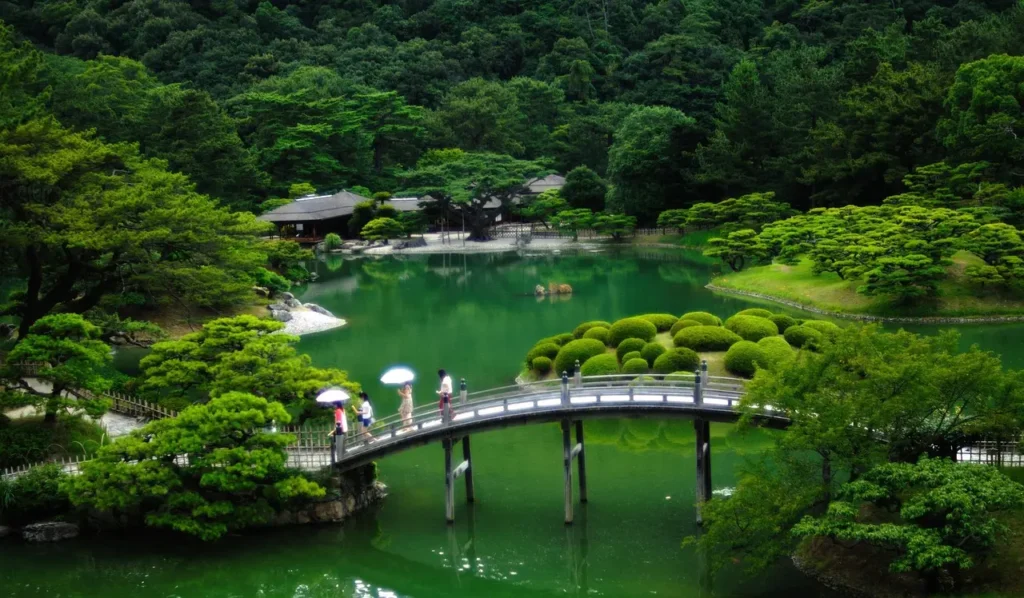
Table of Contents
1. Japanese Healing Gardens: Where Ancient Wisdom Meets Modern Science
Japanese healing gardens represent a profound intersection of centuries-old philosophy and contemporary wellness science. These carefully designed spaces offer more than aesthetic beauty they provide therapeutic environments that actively support physical and mental health.
1.1 Sensory Engagement
Textured moss, raked sand patterns, and aromatic plants work together to stimulate multiple senses simultaneously. Each element is intentionally placed to engage touch, sight, and smell, creating a multi-dimensional healing experience.
1.2 Symbolism and Meaning
Every component carries deeper significance:
- Rocks represent islands and mountains
- Sand patterns mimic flowing water
- Empty space invites quiet contemplation and inner reflection
1.3 Biophilia in Practice
The integration of natural elements taps into our innate human connection to naturea concept known as biophilia. This design principle actively reduces stress and enhances overall well-being through environmental harmony.
2. The Science of Nature Therapy: Why Gardens Heal
Modern research validates what Japanese culture has understood for centuries: gardens possess genuine therapeutic power.
2.1 Lower Cortisol Levels
Dr. Qing Li’s groundbreaking research documented in Shinrin-Yoku: The Art and Science of Forest Bathing (2018) revealed a 16% reduction in cortisol after just 15 minutes spent in a garden environment. This stress hormone decrease translates to measurable improvements in anxiety and overall mental state.
2.2 Boost Immunity Naturally
Exposure to phytoncides natural oils released by trees and plants increases natural killer (NK) cells by 40%. These immune cells are crucial for fighting disease and maintaining robust health.
2.3 Reduce Pain Perception
A Cleveland Clinic study demonstrated that patients in garden settings report 30% less pain medication use compared to those in standard hospital rooms. The natural environment itself acts as an analgesic.
3. Designing Healing Gardens: Key Elements from Japan
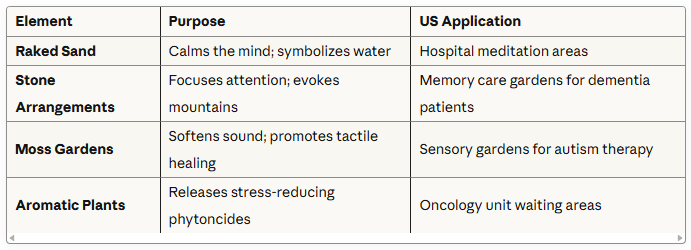
Japanese garden design follows specific principles that maximize therapeutic benefit. Here’s how traditional elements translate to modern healthcare settings:
3.1 Essential Components Table
3.2 Design Principles
Asymmetry: Unlike Western formal gardens, Japanese designs embrace natural irregularity.
Simplicity: Each element serves a purpose; nothing is superfluous.
Naturalness: Even carefully planned spaces should feel organic and unforced.
4. Japanese Healing Gardens in US Healthcare: Case Studies
American healthcare institutions are increasingly adopting Japanese garden principles with measurable success.
4.1 Cleveland Clinic’s Zen Garden
Impact: 30% reduction in anxiety scores among patients
Design Features:
- Raked gravel pathways
- Traditional stone lanterns
- Seasonal maple trees for year-round interest
Source: Cleveland Clinic Healing Gardens
4.2 VA Hospital (San Francisco) Shinrin-Yoku Trail
Impact: 15% decrease in PTSD symptoms among veterans
Design Features:
- Native California trees
- Moss-covered benches
- Designated “forest bathing” stations with guided prompts
Source: VA Nature Therapy Program
4.3 Mayo Clinic’s Sensory Garden
Impact: 25% improvement in patient satisfaction scores
Design Features:
- Fragrant herbs (lavender, rosemary, thyme)
- Textured pathways for tactile stimulation
- Multi-level water features
Source: Mayo Clinic Therapeutic Gardens
5. How HT Professionals Can Apply Japanese Wisdom
Horticultural therapy professionals can integrate these time-tested principles into their practice.
5.1 Certification Training
Add a “Japanese Garden Design” module to existing HT programs. This specialized training helps therapists understand both the aesthetic and therapeutic dimensions of these gardens.
Resource: AHTA’s Nature Therapy Course
5.2 Evidence-Based Advocacy
Use Dr. Li’s peer-reviewed research to justify garden projects to hospital administrators and funding bodies. Hard data makes compelling arguments for budget allocation.
Tool: Grant Proposal Toolkit for therapeutic gardens
5.3 Adapt Designs for US Spaces
Practical Modifications:
- Replace traditional gravel with crushed stone for better drainage
- Substitute native plants (dogwood, blueberry, coneflower) for ecological compatibility
- Adjust scale for smaller American healthcare spaces
6. Your Japanese Healing Garden at Home: Nature Therapy in Your Backyard
You don’t need a hospital budget or vast acreage to benefit from Japanese garden principles. A personal healing garden offers profound advantages.
6.1 Digital Detox Benefits
20 minutes in a garden lowers cortisol by 23%, while the same time on social media increases it by 8% (University of Michigan Study). This stark contrast highlights gardens as antidotes to digital overwhelm.
6.2 Microbiome Boost
Soil bacteria like Mycobacterium vaccae increase serotonin production—nature’s own antidepressant. Simply working with soil exposes you to these beneficial microorganisms.
Source: Proceedings of the National Academy of Sciences
6.3 Sensory Reconnection
Modern life increasingly disconnects us from sensory experience. A healing garden restores this connection through:
- The smell of damp earth after rain
- The texture of soft moss under fingertips
- The sound of bamboo wind chimes in breeze
These sensory anchors ground us in the present moment more effectively than any mindfulness app.

7. 5 Simple Steps to Build Your Japanese Healing Garden
Creating your own healing space is more accessible than you might think.
Step 1: Start Small (3×3 feet minimum)
Choose a corner of your yard, balcony, or even a large container. Japanese design principles work at any scale.
Step 2: Three Core Elements
Mountain: One weathered rock (12+ inches) Water: Raked gravel or sand (real water optional) Land: A single Japanese maple or moss patch
Step 3: Engage Three Senses
Touch: Soft moss (Sagina subulata) or lamb’s ear (Stachys byzantina) Smell: Thyme (Thymus vulgaris) or Japanese cedar (Cryptomeria japonica) Sound: Bamboo wind chimes or small water basin
Step 4: Get Your Hands Dirty
The Science Behind Soil Contact:
Soil Bacteria: Mycobacterium vaccae increases serotonin by 30% (PNAS Study)
Phytoncides: Pruning aromatic plants releases stress-reducing compounds (Dr. Li’s Research)
Dirt Therapy: Gardeners have 20% higher natural killer cell activity than non-gardeners (Journal of Environmental Psychology)
Step 5: Unplug and Observe
Spend 20 minutes daily without your phone. Simply observe changes: new moss growth, shifting shadows, seasonal variations.
8. The Future of Nature Therapy: Bridging East and West
Several converging trends suggest healing gardens will become increasingly central to healthcare and wellness.
8.1 Aging Populations
1 in 5 Americans will be 65+ by 2030 (US Census), increasing demand for garden-based elder care. Gardens offer non-pharmaceutical interventions for dementia, depression, and mobility issues.
8.2 Mental Health Crisis
60% of US adults report anxiety (APA), making nature therapy a critical intervention. Gardens provide accessible, low-cost mental health support.
8.3 Corporate Wellness Integration
Progressive companies like Google and Salesforce now integrate “forest bathing rooms” into office designs, recognizing productivity and retention benefits.
9. Conclusion: Healing Gardens as Universal Medicine
Japanese healing gardens offer a bridge between ancient wisdom and modern science a rare integration that benefits both individual wellness and community health.
9.1 Why This Beats Your Phone Every Time

Source: University of Michigan Digital Wellness Study
9.2 Next Steps for Practitioners
- Enroll in HT programs with Japanese garden modules
- Join the American Horticultural Therapy Association for networking
- Advocate for garden-based nature therapy in your community
9.3 Next Steps for Home Gardeners
- Start with one 3×3 foot corner this weekend
- Add one element per month
- Track your cortisol/mood changes (many fitness trackers now measure stress)

10. Key Resources
10.1 Research
- Dr. Qing Li’s Shinrin-Yoku Studies
- NIH Phytoncide Research
- University of Michigan Digital Wellness Study
- PNAS Soil Bacteria Study