Horticultural Therapy Made Simple: Grow Wellness, Heal Your Mind

Table of Contents
Feeling overwhelmed, stressed, or disconnected by the constant buzz of modern life? You’re not alone. In our tech-saturated world, finding a genuine sense of calm can feel like a challenge. But what if the most powerful tool for wellness wasn’t an app or a pill, but something much more fundamental? What if there was a science-backed practice that harnessed our innate connection to the natural world for tangible, profound health benefits?
This isn’t just about the simple joy of keeping a houseplant. We’re talking about a structured, therapeutic practice known as Horticultural Therapy. It’s a professional modality that goes far beyond casual gardening, using plants and nature-based activities to achieve specific clinical goals. In this guide, we’ll explore exactly what Horticultural Therapy is, unpack the fascinating science behind its healing power, and show you how you can start tapping into its benefits.
What Is Horticultural Therapy? More Than Just Gardening
At its core, Horticultural Therapy is about cultivating well-being, with the plant world as the tool and the therapist as the guide.
The Professional Definition of Horticultural Therapy
Horticultural Therapy is an evidence-based practice facilitated by a trained and registered therapist. It uses plants, gardening activities, and the natural world to achieve specific therapeutic and rehabilitative goals for its clients. As defined by the https://tucsonbotanical.org/, it is a “client-centered process that requires assessment, goal-setting, and documentation.” This means every activity—from sowing seeds to pruning leaves is intentionally designed to address individual needs, whether they are physical, cognitive, psychological, or social.
Horticultural Therapy vs. Gardening: What’s the Difference?
It’s easy to confuse the two, but the distinction lies in the primary focus:
- Gardening: The goal is the health of the plants. The process is product-focused. You garden to grow tomatoes, maintain a beautiful flower bed, or cultivate a lush lawn. The outcome is a harvest or an aesthetically pleasing space.
- Horticultural Therapy: The goal is the health of the person. The process is process-focused. A therapist might use the act of potting a plant to improve a client’s fine motor skills, or the cycle of growing and harvesting to teach a veteran coping with PTSD about resilience and new beginnings. The outcome is an improvement in the client’s well-being.
The Science Behind the Green: How Horticultural Therapy Heals
The benefits of Horticultural Therapy aren’t just anecdotal; they are rooted in compelling scientific principles that explain why interacting with nature feels so fundamentally good for us.
The Biophilia Hypothesis Explained
The concept of biophilia hypothesis , popularized by biologist E.O. Wilson, suggests that humans possess an innate, genetically determined tendency to seek connections with nature and other forms of life. We evolved in natural environments, and our brains and bodies are still hardwired to respond positively to them. Horticultural Therapy actively taps into this deep-seated biological need, creating a sense of peace and belonging that concrete jungles often strip away.
The Mental and Physiological Effects
When you engage in Horticultural Therapy, several powerful physiological shifts occur:
- Stress Reduction: Studies have shown that time spent in nature-based activities significantly lowers cortisol, the body’s primary stress hormone. The rhythmic, mindful tasks of gardening like weeding or watering induce a state of “soft fascination,” allowing the brain to rest and recover from mental fatigue.
- Mood Enhancement: The combination of physical activity, sunlight, and achievement in nurturing life can trigger the release of feel-good neurotransmitters like serotonin and dopamine. This natural chemical boost is a powerful antidote to feelings of anxiety and depression.
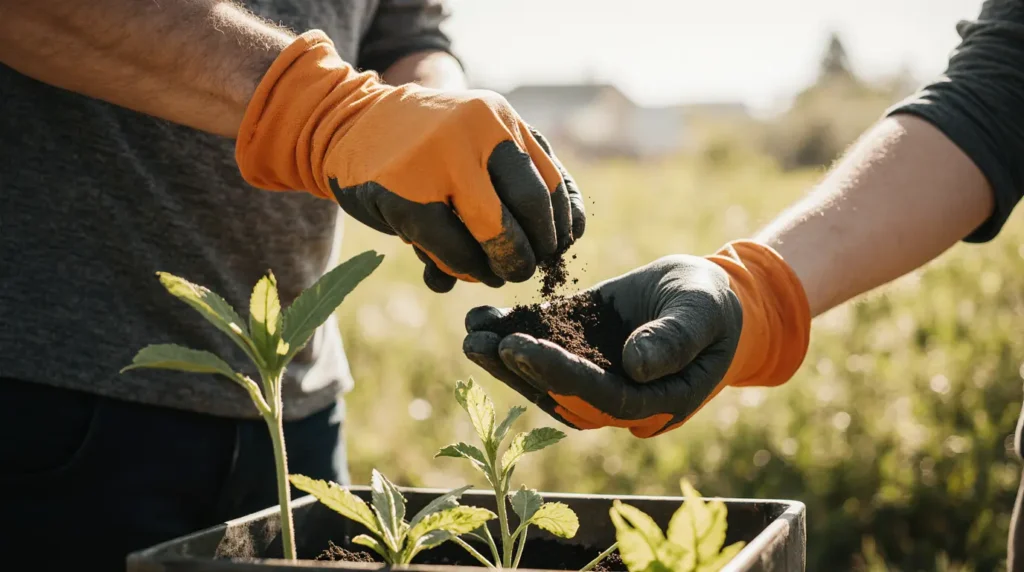
- Microbiome Connection: Emerging research suggests that exposure to beneficial microbes in soil, like Mycobacterium vaccae, may act as a natural antidepressant by stimulating serotonin production in the brain. Getting your hands dirty, it turns out, might be literally good for your mental health.
The Root of Well-Being: Key Benefits of Horticultural Therapy
By engaging with the cycle of life in a guided, therapeutic setting, individuals can experience a wide array of benefits.
Boosting Mental and Emotional Health
Horticultural Therapy provides a powerful non-pharmaceutical intervention for mental wellness. It reduces symptoms of anxiety and depression by offering a calming, mindful outlet. The simple act of caring for another living thing fosters a sense of purpose, responsibility, and accomplishment, which directly combat feelings of worthlessness and low self-esteem. Watching a seed you planted grow into a thriving plant is a tangible, visual metaphor for your own capacity for growth and recovery.
Enhancing Cognitive and Physical Function
For individuals with cognitive impairments, such as those related to dementia or brain injuries, horticultural activities can improve memory, attention span, and problem-solving skills. The need to follow sequences (e.g., sowing, watering, harvesting) and recognize different plants provides excellent cognitive stimulation. Physically, tasks like digging, planting, and raking encourage range of motion, strengthen muscles, and improve fine motor skills and coordination, aiding in physical rehabilitation.
Fostering Social Connection and Communication
A therapeutic garden is a naturally social environment. It provides a non-threatening, neutral space where people can work side-by-side, share tasks, and communicate about a common interest. This can be incredibly powerful for individuals struggling with social isolation, communication difficulties, or those in group therapy settings, helping to build community and forge new connections.
Cultivating Calm: Who Can Benefit from Horticultural Therapy?
The applications for Horticultural Therapy are vast and diverse, making it a versatile tool for healing.
Programs for Veterans and PTSD
Horticultural Therapy offers veterans a peaceful, non-confrontational environment to process trauma. The focus on nurturing life can help rebuild a sense of purpose, while the garden itself becomes a place for reflection and calm.
Supporting Seniors and Cognitive Care
In senior living and memory care facilities, therapeutic gardens stimulate the senses, evoke positive memories, and provide gentle physical activity, significantly improving the quality of life for residents with Alzheimer’s or dementia.
Rehabilitation for Physical Injuries and Disabilities
Therapists use tailored gardening tasks to help patients regain strength, dexterity, and coordination after a stroke, surgery, or injury. The motivating and rewarding nature of the work often leads to better adherence to therapy routines.
Mental Health and Wellness for All
You don’t need a specific diagnosis to benefit. Corporate employees, students, and anyone feeling the pressures of daily life can use the principles of Horticultural Therapy to find a powerful, accessible form of stress relief and mental rejuvenation.
How to Get Started: Your First Steps with Horticultural Therapy ?
Interested in exploring this green path to wellness? Here’s how you can begin.
Finding a Certified Horticultural Therapist
For clinical therapeutic outcomes, working with a professional is essential. You can search for a qualified Registered Horticultural Therapist (HTR) through the directory provided by the American Horticultural Therapy Association. These professionals work in hospitals, rehabilitation centers, schools, and private practice.
Simple Therapeutic Gardening Activities to Try at Home
You can also incorporate the spirit of horticultural therapy into your own life with these simple, mindful activities:
- Start a Culinary Herb Garden: Plant basil, mint, or thyme in a small pot on your windowsill. The act of caring for them, smelling their fragrance, and using them in your cooking engages multiple senses and provides a quick reward.
- Propagate a Plant: Try growing new plants from cuttings of a friend’s pothos or spider plant. This practice teaches patience and offers a wonderful sense of accomplishment as you watch roots develop.
- Create a Sensory Container: Plant a container with a variety of textures (soft lamb’s ear), scents (lavender), and colors (marigolds). Spend a few moments each day touching and smelling the plants to ground yourself in the present moment.
Conclusion
Horticultural Therapy is far more than a hobby; it is a proven, science-backed discipline that bridges the gap between our modern needs and our ancient biological wiring. Its power lies in its ability to heal the mind, body, and spirit simultaneously, offering benefits from reduced stress and improved mood to enhanced cognitive function and social connection. By intentionally engaging with the natural world, we don’t just grow plants we grow ourselves. The path to healing is already growing all around us; we just need to learn how to connect with it.