Horticultural Therapy Made Simple: Grow Wellness, Heal Your Mind

Unlock Therapeutic Gardens: Create Your Healing Sanctuary
Unlock Therapeutic Gardens: Create Your Healing Sanctuary
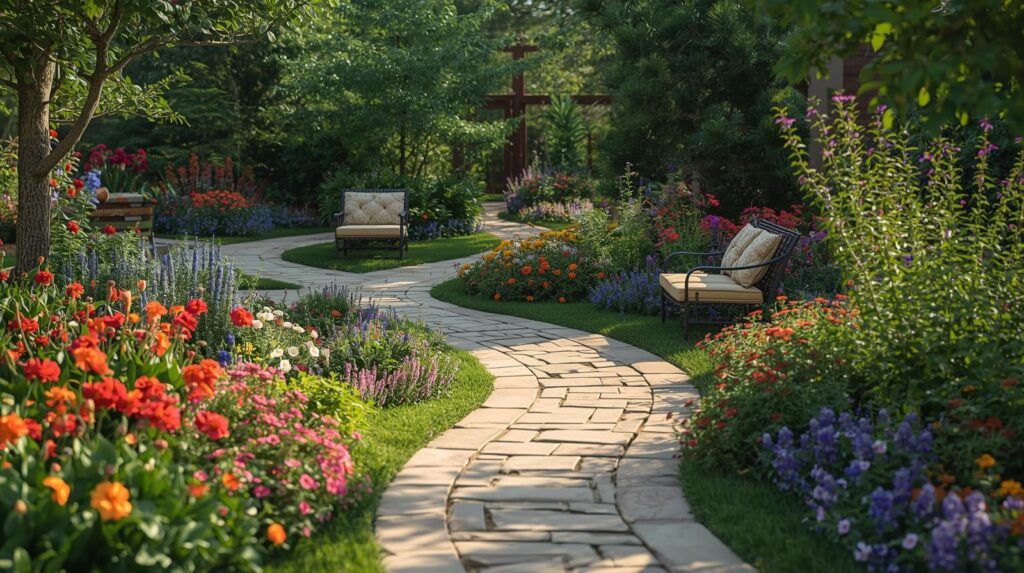
Imagine stepping into a garden where every element from the rustling leaves to the fragrant herbs works together to calm your mind and heal your body. Therapeutic gardens are intentionally designed outdoor spaces that harness nature’s power to promote mental health, reduce stress, and support physical recovery. Whether you’re creating a healing space for yourself, a loved one, or your community, understanding the principles behind therapeutic gardens can transform an ordinary outdoor area into a sanctuary of well-being.
Table of Contents
What Are Therapeutic Gardens?
Therapeutic gardens are specially designed landscapes that facilitate interaction with nature to improve physical, psychological, and social well-being. Unlike regular gardens, these healing spaces incorporate evidence-based design elements that address specific health outcomes. According to the American Horticultural Therapy Association, therapeutic gardens differ from horticultural therapy programs in that they provide passive benefits simply through presence and observation, though they can also support active gardening activities.
The concept isn’t new hospitals have incorporated healing gardens for centuries. The Quaker-founded York Retreat in England (1796) pioneered the use of gardens for mental health treatment, recognizing that natural environments supported recovery. Today, research published by the National Institutes of Health confirms what these early practitioners observed: exposure to nature significantly reduces stress hormones, lowers blood pressure, and improves mood.
The Science Behind Nature Therapy and Mental Health
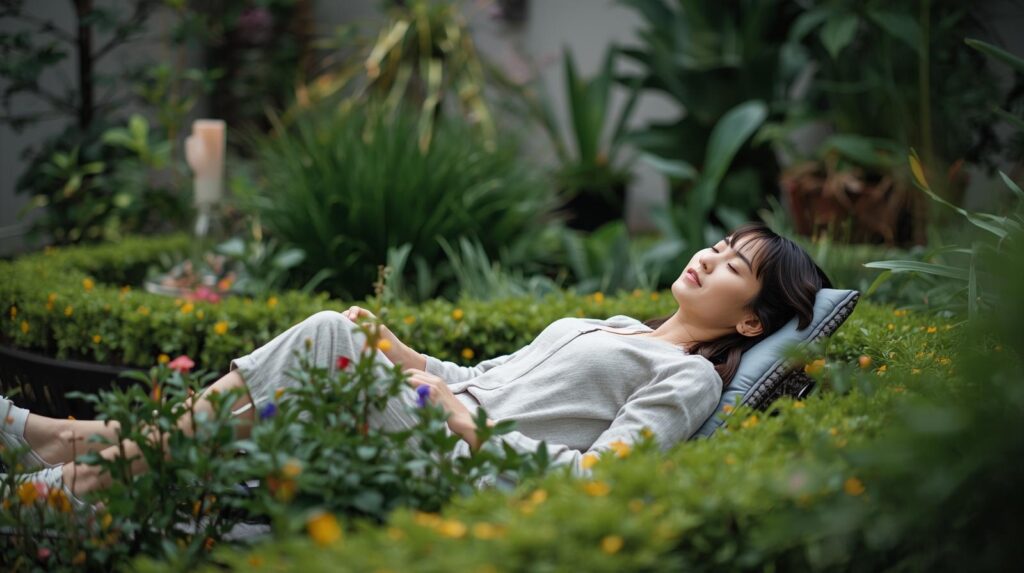
The therapeutic effects of gardens aren’t just anecdotal they’re backed by robust scientific evidence. When we spend time in green spaces, our bodies undergo measurable physiological changes that promote healing and well-being.
Stress Reduction Through Nature
Research from Stanford University demonstrates that walking in nature decreases activity in the prefrontal cortex region associated with rumination repetitive negative thinking linked to depression and anxiety. Just 90 minutes in a natural setting can significantly reduce these harmful thought patterns compared to urban environments.
The concept of “biophilia,” introduced by biologist E.O. Wilson, suggests humans have an innate connection to nature. Studies in the journal Environmental Health and Preventive Medicine show that gardening helps reduce stress and boost relaxation by lowering cortisol levels our primary stress hormone. Even viewing gardens through windows has been shown to accelerate recovery times in hospital patients, according to groundbreaking research by environmental psychologist Roger Ulrich.
Mental Health Benefits
Therapeutic gardens offer profound benefits for mental health conditions:
- Depression: The University of Westminster found that horticultural therapy significantly reduces depression symptoms, with participants showing improved self-esteem and social interaction
- Anxiety disorders: Natural settings activate the parasympathetic nervous system, promoting the “rest and digest” response that counteracts anxiety
- PTSD: Veterans’ programs increasingly incorporate therapeutic gardens, with the National Library of Medicine documenting reduced PTSD symptoms through structured garden activities
- Dementia care: Therapeutic gardens provide sensory stimulation and familiar activities that can reduce agitation and improve quality of life
Essential Design Principles for Therapeutic Gardens
Creating an effective therapeutic garden requires thoughtful planning that addresses both aesthetic and functional needs. Here are the core principles that make therapeutic gardens truly healing spaces:
1. Accessibility and Safety
Therapeutic gardens must be welcoming and safe for all users, regardless of physical abilities. Key considerations include:
- Pathways: Wide, smooth, non-slip surfaces (minimum 5 feet wide) accommodate wheelchairs and walkers
- Raised beds: Elevated planters (24-30 inches high) allow gardening without bending, ideal for those with mobility limitations
- Seating: Sturdy benches with backs and armrests placed every 50-75 feet provide rest spots
- Lighting: Adequate illumination ensures safety during evening hours without being harsh
- Handrails: Strategically placed supports along paths and near seating areas
2. Sensory Engagement
Therapeutic gardens should stimulate all five senses, creating rich, immersive experiences:
Touch: Include plants with varied textures soft lamb’s ear (Stachys byzantina), smooth succulents, rough bark. Tactile engagement grounds us in the present moment, reducing anxiety.
Smell: Fragrant herbs like lavender, rosemary, and mint trigger the limbic system, directly influencing emotions and memory. According to research in Chemical Senses, pleasant natural scents can improve mood and reduce stress.
Sound: Water features, wind chimes, and rustling grasses create soothing soundscapes that mask urban noise. The Journal of Environmental Psychology reports that natural sounds promote mental restoration.
Sight: Use color psychology cool blues and greens calm, while warm yellows and oranges energize. Vary heights and forms to create visual interest without overwhelming.
Taste: Edible gardens with herbs, berries, and vegetables provide immediate rewards and encourage interaction.

3. Enclosed Yet Open Design
Therapeutic gardens should feel like safe refuges while maintaining views and connections to the broader landscape. Use hedges, trellises, or walls to create intimate spaces without isolation. The concept of “prospect and refuge” being able to see out while feeling protected is fundamental to human comfort in outdoor spaces.
4. Purposeful Planting
Select plants that offer therapeutic benefits and are appropriate for your climate:
- Low-maintenance perennials: Reduce frustration for novice gardeners
- Native plants: Support local ecosystems and require less water
- Non-toxic varieties: Essential when designing for children or those with cognitive impairments
- Four-season interest: Ensure the garden remains engaging year-round
5. Social and Solitary Spaces
Balance areas for group activities with quiet corners for reflection. Some visitors seek community connection through gardening, while others need solitary contemplation. Effective therapeutic gardens accommodate both needs.
Therapeutic Gardens for Specific Populations
Different groups benefit from tailored therapeutic garden designs:
For Mental Health Recovery
Gardens supporting mental health should emphasize:
- Enclosed spaces that feel safe and protected
- Opportunities for nurturing living things, building self-efficacy
- Repetitive, meditative tasks like weeding or watering
- Visible progress and growth symbolizing personal recovery
For Seniors and Dementia Care
According to the Alzheimer’s Association, therapeutic gardens for dementia care should include:
- Clear, looping paths that prevent getting lost
- Familiar plants that trigger positive memories
- Safe wandering opportunities
- Easily visible entrances and exits to reduce anxiety
For Children with Special Needs
Pediatric therapeutic gardens benefit from:
- Interactive elements like musical instruments or stepping stones
- Spaces for active play alongside calm zones
- Educational components about plant life cycles
- Sensory-rich plantings at child height
For Physical Rehabilitation
Gardens supporting physical recovery should offer:
- Varied terrain for graduated physical challenges
- Vertical gardening opportunities for different ability levels
- Tasks requiring diverse movements (reaching, bending, gripping)
- Measurable goals through plant care responsibilities
Starting Your Own Therapeutic Garden
You don’t need extensive space or resources to create a therapeutic garden. Here’s how to begin:
Assess Your Space and Needs
Consider:
- Available square footage (even balconies can become therapeutic spaces)
- Sunlight exposure throughout the day
- Primary users and their specific needs
- Budget and maintenance capacity
Start Small and Simple
Begin with a manageable area you can tend without stress. A single raised bed with herbs or a container garden with houseplants can provide mental health benefits. Success with a small space builds confidence and skills for expansion.
Focus on Engagement
The therapeutic value comes from interaction, not perfection. Choose forgiving plants that tolerate mistakes. Include elements you’re personally drawn to your genuine enjoyment enhances the garden’s therapeutic effects.
Incorporate Houseplants
If outdoor space is limited, indoor therapeutic gardens using houseplants can significantly improve mental health. Research in the Journal of Physiological Anthropology shows that interacting with houseplants reduces psychological and physiological stress. Snake plants, pothos, and peace lilies are excellent low-maintenance options for indoor healing spaces.
Creating Community Therapeutic Gardens
Community therapeutic gardens extend benefits beyond individuals to entire neighborhoods. These shared spaces:
- Reduce social isolation by providing gathering points
- Teach horticultural skills across generations
- Improve food security through community growing
- Enhance neighborhood aesthetics and property values
Organizations like GreenThumb in New York City and Portland’s Community Gardens Program demonstrate how therapeutic community gardens can revitalize urban areas while promoting public health.
Maintenance and Sustainability
A therapeutic garden must remain manageable to maintain its healing properties. Overwhelmed, neglected spaces create stress rather than relieving it. Consider:
- Drought-tolerant plants to reduce watering demands
- Mulching to suppress weeds and retain moisture
- Perennials over annuals to minimize replanting
- Integrated pest management avoiding harsh chemicals
- Composting to create sustainable nutrient cycles
The Growing Evidence for Horticultural Therapy Gardens
The field of horticultural therapy continues to gain recognition in healthcare settings. The American Horticultural Therapy Association certifies professional horticultural therapists who design and implement therapeutic garden programs in hospitals, rehabilitation centers, nursing homes, and mental health facilities.
Insurance companies and healthcare systems increasingly recognize therapeutic gardens as cost-effective interventions. When post-surgical patients recover faster with garden views, when veterans manage PTSD symptoms through garden therapy, and when seniors with dementia experience reduced agitation in garden settings, the economic and humanitarian case for therapeutic gardens becomes irrefutable.
Conclusion: Cultivating Wellness Through Therapeutic Gardens
Therapeutic gardens represent a powerful intersection of nature, design, and health science. Whether you’re creating a personal healing space, designing for a loved one’s recovery, or contributing to community wellness, therapeutic gardens offer evidence-based benefits for mental health, stress reduction, and overall well-being.
The beauty of therapeutic gardens lies in their accessibility you don’t need to be a professional landscaper or therapist to create a healing space. Start with what you have, focus on engagement over perfection, and trust in nature’s inherent restorative powers. As you nurture plants, you nurture yourself.
Ready to explore more about how gardening supports mental health and well-being? Discover additional resources on our blog about specific horticultural therapy techniques, seasonal gardening for stress relief, and creating therapeutic indoor spaces with houseplants.
The information in this article is for educational purposes and does not replace professional medical or therapeutic advice. If you’re experiencing mental health challenges, please consult with qualified healthcare providers.