Horticultural Therapy Made Simple: Grow Wellness, Heal Your Mind

Garden Therapy for Autism: Proven Programs & Real Results

Table of Contents
Introduction
Garden therapy for autism changed everything for Sarah’s 8-year-old son. After struggling with traditional therapy approaches, she discovered something unexpected: gardening. Within weeks of starting a horticultural therapy program, he was more engaged, calmer, and even speaking more. This isn’t just one family’s story. Autism and horticultural therapy are proving to be a powerful combination for children and adults across North America.
If you’re exploring therapeutic options for autism spectrum disorder (ASD), you’ve probably heard about behavioral therapies and speech therapy. But have you considered the healing power of plants and gardens?”
What Is Horticultural Therapy for Autism?
Horticultural therapy uses gardening activities as a therapeutic tool. For people with autism, working with plants, soil, and nature provides unique sensory experiences and learning opportunities that traditional therapy settings can’t match.
Unlike casual gardening, autism and horticultural therapy programs are designed by trained professionals who understand both plant science and the specific needs of individuals with ASD. These programs create structured activities that target specific developmental goals.
How It Works
The therapy combines three key elements:
Sensory engagement: Touching soil, smelling herbs, seeing bright flowers, and hearing water features provide rich sensory input that many people with autism find calming and organizing.
Structured routine: Gardening follows natural rhythms and predictable steps that appeal to individuals who thrive on routine and clear expectations.
Tangible results: Watching a seed grow into a plant provides immediate, visible feedback that builds confidence and understanding of cause and effect.
Research from the American Horticultural Therapy Association shows that these activities can improve motor skills, social interaction, and emotional regulation in individuals with autism.
Benefits of Horticultural Therapy for Autism
The connection between gardening and autism runs deeper than you might think. Here’s what the science and real-world experiences tell us.
Stress Reduction and Emotional Regulation
Gardens create naturally calming environments. A study published in the Journal of Alternative and Complementary Medicine found that horticultural therapy activities can reduce stress hormones and improve mood in individuals with developmental disabilities.
For people with autism who often experience sensory overload, the gentle, predictable sensory input from plants provides a soothing counterbalance to overwhelming environments.
Social Skills Development Through Gardening Clubs
One of the most exciting benefits comes from group programs. Benefits of gardening clubs for autism socialization include:
- Practicing turn-taking while watering plants or harvesting vegetables
- Learning to share tools and space with peers
- Working toward common goals like preparing a garden bed or planning what to plant
- Developing communication skills in a low-pressure, activity-focused setting
The National Autistic Society reports that activity-based social programs like gardening clubs often work better than conversation-focused groups because they give participants something concrete to focus on together.
Improved Motor Skills and Coordination
Gardening for autism offers natural opportunities to practice both fine and gross motor skills:
- Fine motor: Planting seeds, pulling weeds, picking vegetables, arranging flowers
- Gross motor: Digging, raking, pushing wheelbarrows, carrying watering cans
These activities build strength and coordination without feeling like “exercise” or “therapy work.”
Cognitive and Academic Benefits
Research in the journal HortTechnology demonstrates that therapeutic activities for autistic children in garden settings can improve:
- Following multi-step directions
- Understanding sequences and time concepts (planting, growing, harvesting)
- Math skills through measuring, counting, and spacing plants
- Science learning about plant life cycles, weather, and ecosystems
Sensory Integration
For children with autism spectrum disorders, gardening provides what occupational therapists call “heavy work”—activities that provide deep pressure input to muscles and joints. This type of sensory input often helps with self-regulation and focus.
The varied textures, temperatures, and resistance levels in garden work create a rich sensory diet that many individuals with ASD find organizing and satisfying.
Therapeutic Horticulture for Different Age Groups
Programs need to match the developmental stage and abilities of participants. Here’s how autism and horticultural therapy adapts across the lifespan.
Gardening for Children With Autism Spectrum Disorders
Programs for children typically focus on:
Sensory exploration: Touching different plant textures, smelling herbs like mint and lavender, tasting fresh vegetables they’ve grown.
Simple, successful tasks: Planting large seeds, watering with child-sized tools, harvesting ripe tomatoes.
Play-based learning: Creating fairy gardens, painting pots, making mud pies in designated areas.
According to research from Texas A&M University’s Horticultural Therapy Program, children with ASD who participate in gardening activities show improved attention spans and reduced anxiety behaviors.
Recommended activities for young children:
- Growing fast-germinating plants like beans or sunflowers
- Creating sensory gardens with fuzzy lamb’s ear, fragrant herbs, and crunchy gravel paths
- Bug hotels and butterfly gardens to observe nature
- Harvesting and preparing simple snacks from the garden
Therapeutic Horticulture for Elders and Adults With Autism
Adult programs often emphasize:
Vocational skills: Some individuals develop job-ready abilities in landscaping, greenhouse work, or plant nursery operations.
Wellness and maintenance: Using gardening as ongoing therapy for stress management and physical health.
Community contribution: Growing food for donation or maintaining public green spaces.
The Melwood Horticultural Training Center in Maryland runs successful programs where adults with developmental disabilities, including autism, gain employment skills through greenhouse and landscaping work.
Program elements for adults:
- Container gardening for those with mobility limitations
- Specialized tool adaptations for different physical abilities
- Integration with vocational training programs
- Community garden plots for ongoing engagement
Creating a Healing Garden at Home
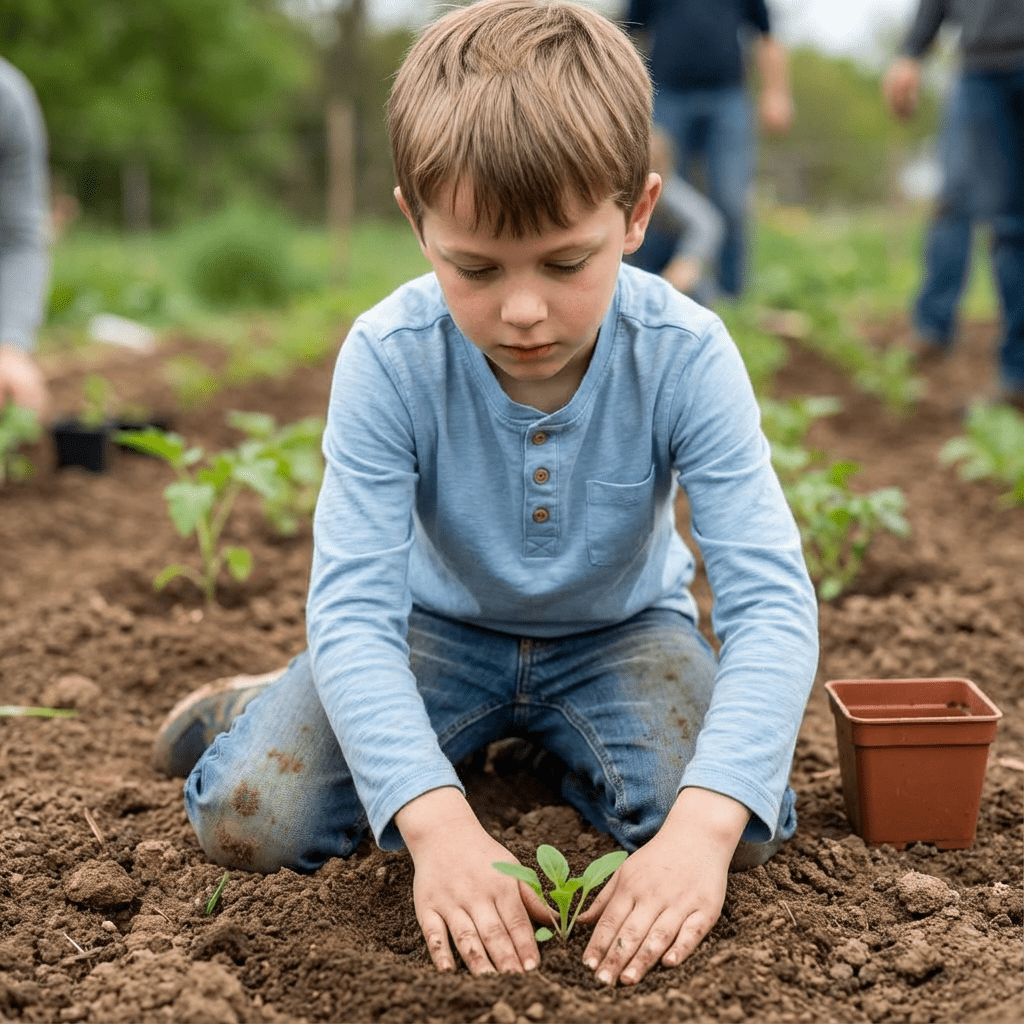
You don’t need a professional program to start experiencing the benefits. Many families create autism-friendly gardens at home as part of their autism therapy at home approach.
Design Principles for Autism-Friendly Gardens
Safety first: Create clear boundaries with fencing. Avoid toxic plants. Ensure flat, stable pathways.
Sensory zones: Designate areas for different sensory experiences—a quiet corner with soft grasses, an active area with musical wind chimes, a tactile garden with various textures.
Predictable layout: Clear pathways, labeled areas, and organized beds help individuals who thrive on structure and routine.
Caring for local biodiversity in a healing garden also teaches environmental stewardship. Include native plants that attract butterflies and birds, creating opportunities to observe nature’s patterns and cycles.
Recommended Plants for Sensory Gardens
Touch:
- Lamb’s ear (soft, fuzzy)
- Succulents (smooth, cool)
- Ornamental grasses (flowing movement)
Smell:
- Lavender (calming)
- Mint varieties (invigorating)
- Roses (classic floral)
Sight:
- Sunflowers (large, bright, trackable growth)
- Rainbow chard (colorful stalks)
- Snapdragons (interactive flowers)
Taste (edible garden):
- Cherry tomatoes (sweet, easy to harvest)
- Sugar snap peas (fun to pick and eat)
- Strawberries (immediate reward)
Sound:
- Bamboo wind chimes
- Ornamental grasses that rustle
- Water features (bubbling fountains)
Getting Started at Home
Start small to avoid overwhelming both you and your child. A few containers on a patio or a small 4×4 foot raised bed is plenty.
Week 1-2: Let your child explore the space, touch soil, play with water.
Week 3-4: Plant large, easy seeds together. Sunflowers and beans are perfect first plants.
Ongoing: Establish a daily routine. Even 10 minutes of garden time can provide therapeutic benefits.
The American Horticultural Therapy Association offers free resources for families starting home programs, including activity ideas organized by season and ability level.
Specialized Horticultural Therapy Programs

Professional programs provide structure, expertise, and community that enhance what you can do at home.
Types of Programs Available
School-based programs: Some schools integrate gardening into their curriculum, especially those with special education programs focused on autism.
Community gardening programs: Local parks departments or community organizations may offer inclusive gardening programs.
Clinical horticultural therapy: Hospital-based or clinic-based programs run by certified horticultural therapists (HTR) who work alongside other therapists.
Day programs and camps: Specialized day programs or summer camps that center around therapeutic activities for autistic participants.
What to Look for in a Quality Program
When evaluating autism therapy services that include horticulture, consider:
Trained staff: Look for programs with certified horticultural therapists (HTR credential) or staff trained in both horticulture and autism support.
Individualized approaches: The best programs assess each person’s abilities and interests, creating customized activities and goals.
Safety protocols: Proper supervision ratios, first aid capabilities, and awareness of autism-specific safety concerns (like elopement risks).
Integration with other therapies: Programs that communicate with speech therapists, occupational therapists, and behavioral specialists create comprehensive support.
Notable Programs in North America
GreenBridge (Long Island, NY): Provides horticultural therapy specifically for individuals with autism and other developmental disabilities. Their greenhouse and garden spaces accommodate year-round programming.
Melwood (Maryland): Offers vocational training through horticultural work for adults with developmental disabilities.
Growing Hope (Illinois): Runs therapeutic gardens and farming programs for individuals with special needs, including dedicated autism programs.
Sunshine Gardens (Texas): Combines horticultural therapy with job training for young adults with autism.
Check with your local autism society or the American Horticultural Therapy Association directory to find programs near you.
How Horticultural Therapy Activities Reduce Stress
The science behind why horticultural therapy activities can reduce stress involves multiple biological and psychological mechanisms.
The Biophilia Effect
Humans have an innate connection to nature, what biologist E.O. Wilson called “biophilia.” For individuals with autism who may struggle in busy, artificial environments, natural settings often feel more comfortable and less overwhelming.
Cortisol Reduction
Studies show that exposure to plants and gardening activities reduces cortisol, the stress hormone. Research published in Landscape and Urban Planning found that even viewing plants can lower blood pressure and improve mood.
Mindfulness and Present-Moment Focus
Gardening naturally creates mindfulness—attention to the present moment. For individuals with autism who may experience anxiety about past or future events, the immediate sensory engagement of gardening provides relief.
Accomplishment and Control
Growing something from seed to harvest provides a sense of control and accomplishment that many individuals with autism find deeply satisfying. In a world where much feels unpredictable, plants follow reliable patterns.
Impact of Horticultural Therapy on Social Intelligence
Research on the impact of horticultural therapy in social intelligence shows promising results for individuals with autism.
Parallel Play to Cooperative Work
Gardens provide natural opportunities for social progression. Children might start by working alongside others (parallel play), then progress to simple cooperation (passing tools), and eventually collaborate on shared projects.
Natural Conversation Starters
Plants and garden activities give people something concrete to discuss. Instead of abstract social conversations that may challenge individuals with autism, garden-based interactions focus on observable, shared experiences.
Group Problem-Solving
Garden challenges—like figuring out why a plant isn’t thriving or how to protect vegetables from pests—create natural opportunities for collaborative problem-solving without the social pressure of eye contact or abstract conversation.
A study in HortScience found that youth with autism participating in school garden programs showed measurable improvements in social skills and peer relationships over a growing season.
Pricing Guide for Horticultural Therapy Programs
Understanding costs helps families plan and access these valuable services. Here’s what you can expect across different program types.
DIY Home Programs: $50-$300
Initial setup:
- Raised bed or containers: $50-$150
- Soil and amendments: $20-$50
- Seeds and starter plants: $20-$50
- Basic tools: $30-$100
Annual maintenance: $50-$100 for seeds, soil, and plant replacement
Pros: Most affordable, convenient, flexible scheduling, family bonding time
Cons: Requires parent time and knowledge, limited social interaction, no professional guidance
Community Gardening Programs: $100-$500/year
Many community gardens offer plots for $50-$200 per season. Some communities have specific inclusive gardening programs with trained facilitators for $200-$500 annually.
What’s included: Garden plot, water access, some tools, workshops, community events
Pros: Social interaction, affordability, community connection, expert advice available
Cons: Seasonal (in many climates), travel required, less individualized attention
Clinical Horticultural Therapy: $75-$150/session
Professional horticultural therapy with a certified HTR typically costs similar to other specialized therapies.
Session length: Usually 45-60 minutes
Frequency: Often weekly or bi-weekly
What’s included: Individualized treatment plans, progress tracking, coordination with other therapists, therapeutic-grade activities
Pros: Professional expertise, targeted goals, documentation for medical records, potential insurance coverage
Cons: Most expensive option, limited availability in some areas, scheduling constraints
Day Programs and Camps: $150-$400/week
Specialized day programs that include horticultural therapy alongside other activities.
What’s included: Full-day programming, meals/snacks, multiple therapies, socialization opportunities, transportation (sometimes)
Pros: Comprehensive support, social development, respite for families, structured days
Cons: Higher cost, may not be available year-round, waitlists common
Insurance and Funding Options
Insurance coverage: Some insurance plans cover horticultural therapy when prescribed by a physician and provided by licensed therapists (HTR with credentials). Contact your insurance provider to ask about “alternative therapies” or “complementary treatments.”
Medicaid waivers: Many states offer Medicaid waiver programs for autism services that may cover horticultural therapy.
School funding: If horticultural therapy is written into your child’s IEP (Individualized Education Program) as a related service, the school district must provide it.
Grants and scholarships: Organizations like Autism Speaks and local autism societies sometimes offer grants for therapeutic programs.
HSA/FSA accounts: Health Savings Accounts and Flexible Spending Accounts can often be used for prescribed therapeutic activities.
Combining Horticultural Therapy With Other Treatments
Autism and horticultural therapy works best as part of a comprehensive treatment approach.
Integration With ABA Therapy
Applied Behavior Analysis therapists can incorporate garden settings into their work, using natural reinforcers (like harvesting a ripe tomato) and teaching functional skills in meaningful contexts.
Complementing Occupational Therapy
Occupational therapists often love gardening activities because they naturally address so many OT goals: bilateral coordination, grip strength, sensory processing, sequencing, and more.
Speech Therapy in the Garden
Speech-language pathologists can use garden activities to teach vocabulary (plant names, action words, describing words), practice following directions, and engage in natural conversational exchanges.
Physical Therapy Applications
For individuals with motor challenges, adapted gardening provides excellent physical therapy opportunities with functional, motivating activities.
Getting Started: Next Steps
Ready to explore autism and horticultural therapy for yourself or your loved one? Here’s your action plan.
Step 1: Start Small at Home (This Week)
You don’t need to wait for a program to begin. This week:
- Get a pot, some soil, and easy seeds (sunflowers, beans, or herbs)
- Let your child help plant, even if it’s messy
- Establish a simple routine: check the plant every morning
- Notice what interests them about the experience
Step 2: Research Local Programs (This Month)
- Contact your local autism society for program recommendations
- Search the AHTA Find a Therapist directory
- Check community gardens for inclusive programming
- Ask your child’s current therapists if they know of horticultural options
Step 3: Explore Funding (Within 3 Months)
- Request a prescription from your physician for horticultural therapy
- Contact your insurance company with specific questions about coverage
- Research grants and scholarships from autism organizations
- Discuss IEP integration with your child’s school team
Step 4: Build Your Knowledge
Learn more from these trusted resources:
- American Horticultural Therapy Association – Professional organization with research, resources, and program directory
- Kids Gardening – Practical guidance for youth gardening programs
- National Autism Society – Information on various therapeutic approaches including horticulture
Conclusion: Growing More Than Plants
When we talk about autism and horticultural therapy, we’re really talking about growth in every sense. Yes, plants grow. But so do skills, confidence, emotional regulation, and social connections.
The beauty of this approach is its accessibility. Whether you have access to professional programs or you’re starting with a single pot on your balcony, the therapeutic benefits of connecting with plants and nature are available to everyone.
Sarah’s son didn’t transform overnight. But over months of regular garden time—first at home, then in a specialized program—his family watched him blossom. He started speaking more to describe what he was doing. He made friends with other kids in the gardening club. He learned to regulate his emotions better when things didn’t go as planned (like when rabbits ate his lettuce).
Most importantly, he found something that brought him joy and helped him thrive.
Your journey with horticultural therapy might look different, but the potential for growth is the same. Every seed planted is an opportunity for learning, healing, and connection.
Ready to start growing? Grab some soil, choose some seeds, and take that first step. Nature is waiting, and so are all the benefits that come with connecting to the earth.
Frequently Asked Questions
1-Is horticultural therapy covered by insurance? Some insurance plans cover horticultural therapy when prescribed by a physician and provided by certified therapists (HTR). Coverage varies widely, so contact your insurance provider to ask specifically about “horticultural therapy” or “complementary therapeutic services.”
2-What age can children start horticultural therapy? Children as young as 2-3 can begin engaging with simple gardening activities. Professional programs typically accept children starting around age 4-5, but age ranges vary by program.
3-Do I need a garden to do horticultural therapy at home? No! Container gardens on porches, balconies, or even indoor herb gardens can provide therapeutic benefits. The key is regular engagement with plants, not the size of your space.
4-How long does it take to see results? Some families notice immediate calming effects and engagement. Measurable skill improvements typically become apparent after 8-12 weeks of regular participation (weekly sessions or daily home practice).
5-Can horticultural therapy help with severe autism? Yes. Programs can be adapted for all levels of support needs. Non-verbal individuals, those with significant motor challenges, and people with intellectual disabilities can all benefit from appropriately designed horticultural activities.