Horticultural Therapy Made Simple: Grow Wellness, Heal Your Mind
Veterans with PTSD: Horticultural Therapy for a New Life
Table of Contents
Introduction
You’re Not Alone in This Battle
Coming home from military service should feel like relief. But for many veterans with PTSD, the battle doesn’t end when they leave the field. The struggle just changes shape.
If you’re a veteran dealing with post-traumatic stress disorder, you know the weight of it. The nightmares that won’t stop. The sudden panic when a car backfires. The feeling that you can’t connect with the people you love anymore.
Here’s something important: 81% of veterans seeking mental health support live with PTSD. You are not alone. And more importantly, there’s hope.
Traditional treatments like therapy and medication help many people. But what if there was another path? Something that connects you with nature, gives your hands purposeful work, and helps your mind find peace?
That’s where horticultural therapy comes in. It’s not about replacing your doctor’s treatment plan. It’s about adding something powerful to it—something that grows.
What Happens to Veterans with PTSD?
Let’s talk honestly about what living with PTSD really looks like.
For veterans with PTSD, every day can feel like walking through a minefield. You might be sitting at a family dinner, and suddenly you’re back in combat. A smell, a sound, or even nothing at all can trigger intense flashbacks.
The Daily Reality
Sleep becomes your enemy. When you finally drift off, nightmares jolt you awake, heart racing, covered in sweat. You start avoiding sleep altogether, which only makes everything worse.
You feel on edge constantly. Your body stays in high alert mode, scanning for danger that isn’t there anymore. This hypervigilance exhausts you but you can’t turn it off.
Maybe the hardest part? Feeling disconnected from the people around you. Your family wants to understand, but how do you explain what it’s like inside your head?
The Numbers Tell a Heavy Story
Research shows that among veterans seeking help:
- 88% also experience depression alongside their PTSD
- 42% struggle with substance use as they try to cope
- 26% have experienced military sexual trauma
These aren’t just statistics. They’re real people carrying real pain.
What PTSD Does to Your Identity
Many veterans talk about losing themselves. In the military, you had structure, purpose, a clear mission. Now you’re trying to figure out who you are without the uniform.
One veteran described it this way: “I was a soldier. That’s who I was. Now I don’t know what I am.”
That loss of identity makes PTSD even harder. You’re not just dealing with traumatic memories—you’re trying to build a new life while carrying them.
How Are Veterans Currently Treated for PTSD?
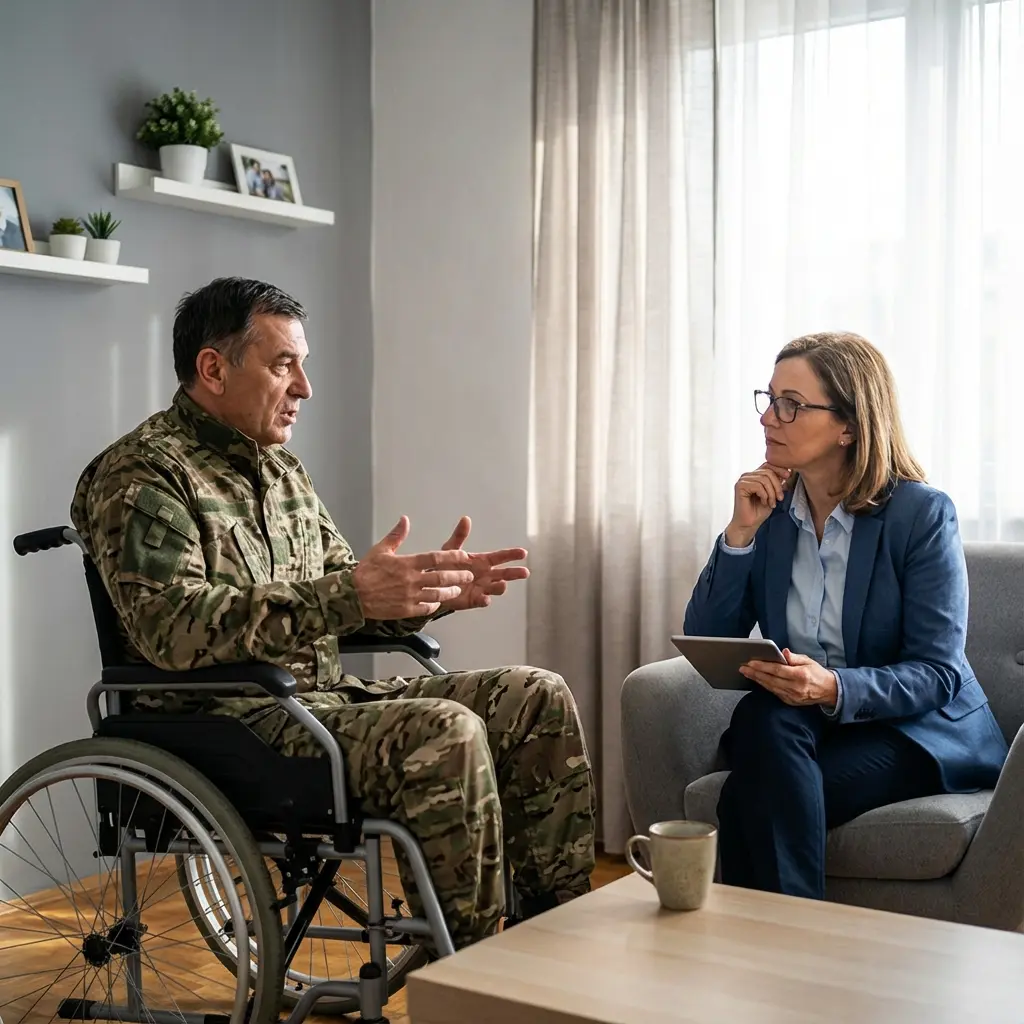
When you go to the VA or a mental health provider for PTSD, they typically offer a few standard approaches.
Traditional Treatment Options
Cognitive Behavioral Therapy (CBT) helps you identify and change negative thought patterns. A therapist works with you to understand how your thoughts affect your feelings and behaviors.
Eye Movement Desensitization and Reprocessing (EMDR) uses guided eye movements while you recall traumatic memories. It sounds unusual, but research shows it can help process trauma.
Medications like antidepressants or anti-anxiety drugs can ease some symptoms. They don’t cure PTSD, but they can make the symptoms more manageable.
Why These Treatments Don’t Always Feel Like Enough
Here’s what many veterans with PTSD say: these treatments help, but something’s still missing.
Sitting in an office talking about your trauma can feel overwhelming. Some days, you just can’t face it. The medications might numb the worst symptoms, but they don’t give you purpose or connection.
Traditional therapy often focuses on what’s wrong—the trauma, the symptoms, the problems. But what about what makes you feel alive again?
That’s where complementary approaches like horticultural therapy come in. They don’t replace medical treatment. They add something different—something that engages your body, connects you with life, and gives you tangible progress you can see growing.
What If Nature Could Help?
Imagine an approach where you don’t have to sit in an office and relive your worst moments. Instead, you put your hands in soil. You plant seeds. You watch things grow because you cared for them.
That’s not just a nice idea. It’s backed by real research showing real results for veterans with PTSD.
What Is Horticultural Therapy and Does It Work?
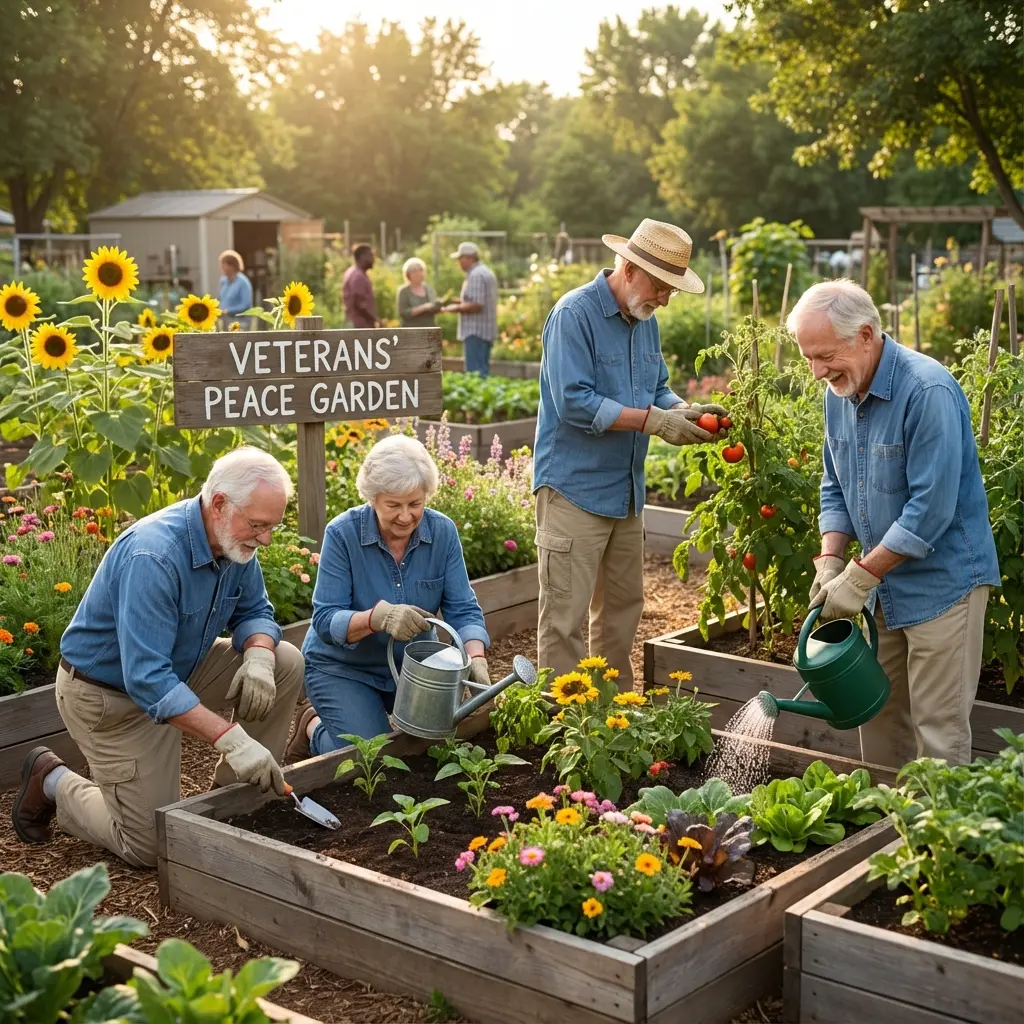
Let’s be clear about what we’re talking about here. Horticultural therapy isn’t just “gardening.” It’s a structured, evidence-based treatment approach that uses plant-based activities to improve mental and physical health.
How It Actually Works
In horticultural therapy programs, trained therapists guide veterans with PTSD through specific gardening activities designed to meet therapeutic goals. You might:
- Plant seeds and care for seedlings (learning patience and nurturing)
- Maintain a vegetable garden (building routine and responsibility)
- Create a flower arrangement (practicing mindfulness and creativity)
- Work alongside other veterans (building community and reducing isolation)
Each activity has a purpose beyond just growing plants. It’s about growing you.
What the Science Shows
Here’s where it gets really interesting. A recent pilot study published in Complementary Therapies in Medicine looked at telehealth delivery of horticultural therapy for veterans at risk of suicide.
The results? Powerful.
The study included 74 veterans, many dealing with serious mental health challenges:
- 81% had diagnosed PTSD
- 88% were experiencing depression
- 42% struggled with substance use
After participating in horticultural therapy sessions, researchers measured significant improvements in:
- Stress levels (measurably reduced)
- Depression symptoms (notably decreased)
- Physical pain (lessened)
- Feelings of loneliness (substantially reduced)
But here’s maybe the most telling statistic: 89.1% of veterans stayed with the program. When almost 9 out of 10 people stick with a treatment, that tells you they’re finding real value in it.
Why This Matters
These aren’t small improvements. For veterans with PTSD who’ve tried multiple treatments with limited success, even modest reductions in symptoms can mean the difference between barely surviving and actually living.
And this study used telehealth—meaning veterans participated from home. If horticultural therapy works remotely, imagine what happens when you’re actually outside, hands in the earth, surrounded by green growing things.
How Does Gardening Help Veterans with PTSD?
So what is it about digging in dirt and growing plants that helps heal trauma? Let’s break it down.
1. It Calms Your Nervous System
When you have PTSD, your nervous system gets stuck in fight-or-flight mode. Your body thinks danger is everywhere, all the time.
Being in nature—even just being around plants—activates your parasympathetic nervous system. That’s the system that helps you relax, digest food, and feel safe. Studies show that just 30 minutes of gardening can reduce cortisol levels, the stress hormone that keeps you feeling anxious.
For veterans with PTSD, this natural calming effect can be profound. You’re not trying to relax through force of will. The environment is literally helping your body shift out of high alert.
2. It Gives You Purpose and Control
One of the hardest parts of PTSD is feeling like everything is out of control. The symptoms hit without warning. The memories invade when they want.
In a garden, you have control. You decide what to plant. You choose when to water. You make things grow through your actions.
“I can’t control my nightmares,” one veteran shared. “But I can control whether these tomatoes thrive. That matters more than people realize.”
3. It Creates Connection Without Pressure
Many veterans with PTSD struggle with social connection. Being around people can feel overwhelming or triggering.
Gardening offers a different kind of connection. You can work side-by-side with other veterans, focused on the plants rather than forced to make eye contact or talk about difficult things. The plants become a safe focus point.
This type of “parallel activity” often allows deeper connections to form naturally. You’re doing something together, not forcing conversation about trauma.
4. It Teaches Patience and Hope
You can’t rush a plant. You water it, give it light, and then you wait. Some days you see no change at all. But if you keep caring for it, growth happens.
For veterans with PTSD learning to manage symptoms, this lesson is powerful. Recovery isn’t linear. Some days feel like no progress. But if you keep showing up, keep doing the work, change happens.
Watching a seed you planted break through soil and reach for the sun? That’s hope you can hold in your hands.
The Research Backs This Up
A comprehensive review published by the National Institutes of Health found that horticultural therapy and improved nutrition can be beneficial non-pharmaceutical interventions for veterans with PTSD, offering ways to increase mood, improve nutritional status, and reduce loneliness.
Real Programs That Are Changing Lives
Horticultural therapy for veterans with PTSD isn’t just theory. Programs across North America are already helping veterans find healing through gardening.
The VEGGIE Program
Veterans Experiencing Growth through Garden Interactive Experiences (VEGGIE) is a pilot program specifically designed for veterans with PTSD. The program showed positive results in reducing stress, depression, and feelings of isolation.
Participants work in gardens designed specifically for therapeutic purposes, with trained facilitators guiding activities that address common PTSD symptoms.
Nature-Based Therapy Programs
Several VA facilities across the United States now offer nature-based therapy options that include horticultural therapy components. These programs recognize that traditional office-based therapy doesn’t work for everyone.
Veterans participate in outdoor activities including gardening, nature walks, and environmental restoration projects. The combination of physical activity, nature exposure, and meaningful work addresses PTSD from multiple angles.
TeleHT: Bringing Gardens Home
The telehealth horticultural therapy program mentioned earlier proves you don’t need a large community garden to benefit. Veterans with PTSD participated from their own homes, growing plants on porches, balconies, or small yards.
With 89.1% retention rate, the program demonstrated that even remote participation in horticultural therapy provides substantial mental health benefits for veterans with PTSD.
What Veterans Say
“I was skeptical at first. Gardening? Really? But after a few weeks, I realized I was sleeping better. The constant anxiety wasn’t as intense. I had something to look forward to each morning.”
“In the garden, I’m not broken. I’m not a veteran with PTSD. I’m just someone helping things grow. That simple shift in identity has been healing in ways therapy alone never achieved.”
Can Veterans with PTSD Live a Normal Life?
This is the question that weighs on every veteran dealing with post-traumatic stress disorder. Can I ever feel normal again? Will I ever be myself?
The Honest Answer
Here’s the truth: PTSD changes you. The person you were before trauma isn’t coming back. But that doesn’t mean you can’t build a fulfilling, meaningful life.
“Normal” doesn’t mean going back to how things were. It means creating a new normal—one where you’ve integrated your experiences and found ways to manage symptoms so they don’t control you.
What Recovery Actually Looks Like
For veterans with PTSD participating in horticultural therapy, recovery often means:
- More good days than bad days
- Symptoms that are manageable instead of overwhelming
- Reconnecting with family and friends
- Finding new purpose and identity beyond military service
- Building skills and confidence in a safe environment
The research shows measurable improvements. Veterans report reduced stress, less depression, better sleep, and decreased feelings of isolation. These aren’t small things—they’re the building blocks of a life worth living.
A Veteran’s Transformation
James (not his real name) came home from deployment unable to hold a job. His PTSD made it impossible to be around people. Loud noises sent him into panic. He couldn’t sleep more than a few hours without nightmares.
A counselor suggested trying a horticultural therapy program for veterans. James almost didn’t go. “Gardening seemed pointless,” he said. “But I was desperate.”
Six months later, James tends a community garden plot three mornings a week. He’s built friendships with other veterans in the program. He’s sleeping five to six hours most nights. The nightmares haven’t stopped completely, but they’re less intense.
“Am I cured? No. Do I still have PTSD? Yes. But I also have something I didn’t have before: hope. And tomatoes. Really good tomatoes.”
The Data Supports Hope
Studies consistently show that complementary therapies like horticultural therapy, when combined with traditional treatment, improve outcomes for veterans with PTSD. The improvements are real and measurable.
Can you live a normal life with PTSD? You can live a good life. Maybe even a great one. It just looks different than you expected.
How to Support a Veteran: What to Say and Do
If someone you love is a veteran with PTSD, you want to help. But what do you say? What do you do? How can you support them without making things worse?
Words That Help vs. Words That Hurt
Instead of saying:
- “Just get over it”
- “It could be worse”
- “You need to move on”
- “I know how you feel”
Try saying:
- “I’m here whenever you need me”
- “What you’re feeling is valid”
- “How can I support you today?”
- “I can’t fully understand, but I want to listen”
How to Suggest Horticultural Therapy
Bringing up new treatment options requires sensitivity. Your veteran might feel like you’re saying current treatments aren’t working or that they’re not trying hard enough.
Gentle approaches:
“I read about a program where veterans with PTSD work in gardens together. It’s been showing good results. Would you be interested in learning more?”
“What if we started a small garden together? I heard it can help with stress, and I’d enjoy doing it with you.”
“There’s a horticultural therapy program at the VA. Want to check it out with me? No pressure—we’re just gathering information.”
Activities You Can Do Together
One of the best ways to support a veteran with PTSD is through shared activities that don’t require intense conversation or emotional processing.
Gardening is perfect for this:
- Work side-by-side planting vegetables
- Visit a botanical garden or nature center together
- Start seeds indoors during winter months
- Build a raised garden bed as a project
The activity gives you something to focus on together. Conversation can happen naturally, without pressure. And if your veteran doesn’t feel like talking, that’s okay—you’re still connecting through the shared work.
A Message for Families
Supporting a veteran with PTSD is exhausting. You’re dealing with mood swings, hypervigilance, isolation, and sometimes anger or withdrawal. You’re hurting too.
Remember: you can’t fix their PTSD. That’s not your job. Your job is to show up with love and patience, to support them in getting professional help, and to take care of yourself too.
Consider family therapy or support groups for loved ones of veterans with PTSD. Organizations like the National Center for PTSD offer resources specifically for families.
You don’t have to do this alone either.
Getting Started: Your First Steps
Ready to explore horticultural therapy? Here’s how veterans with PTSD can take that first step.
Option 1: Find a Formal Program
Several organizations across North America offer structured horticultural therapy programs specifically for veterans:
VA Programs: Contact your local VA Medical Center and ask about recreational therapy or nature-based therapy programs. Many facilities now offer horticultural therapy options or can refer you to community programs.
Community Programs: Search for “veteran horticultural therapy programs” plus your city or state. Many communities have programs specifically designed for veterans with PTSD.
Option 2: Start at Home
You don’t need a formal program to experience the benefits. Many veterans with PTSD start their healing journey in their own backyard or on a small balcony.
Begin with something simple:
- A few pots of herbs (basil, mint, rosemary)
- Cherry tomatoes in a container
- Flowers that attract butterflies
- Succulents if you want something low-maintenance
Start small. One plant is enough. One pot on your windowsill counts. This isn’t about becoming a master gardener. It’s about connecting with something growing.
Option 3: Join a Community Garden
Community gardens offer middle ground between formal programs and gardening alone at home. You get your own plot but can connect with others if and when you want to.
Many community gardens offer reduced rates or free plots for veterans. The social aspect helps with isolation, but you can also just focus on your plants if that’s what you need that day.
Resources to Explore
- Veterans Health Administration: VA Mental Health Services
- Give an Hour: Provides free mental health services to veterans and their families
- Team Red, White & Blue: Connects veterans through physical and social activities, including gardening programs in some areas
Take It One Day at a Time
If you’re a veteran with PTSD reading this, you might feel overwhelmed by the idea of starting something new. That’s completely normal.
You don’t have to do everything at once. Just take one small step:
- Make one phone call about a program
- Buy one packet of seeds
- Plant one pot
That’s enough for today. Tomorrow you can take another small step. That’s how gardens grow—and that’s how healing happens too.
Conclusion: Hope Grows Here
Living with PTSD as a veteran isn’t easy. Some days feel impossible. The weight of trauma, the isolation, the feeling that no one understands—it’s real and it’s hard.
But here’s what’s also real: healing is possible. Not overnight. Not through any single miracle treatment. But through commitment, support, and sometimes through unexpected paths like horticultural therapy.
The research shows it. The 89.1% of veterans who stayed with horticultural therapy programs show it. The veterans who’ve found purpose and peace in gardens show it.
You don’t have to choose between traditional treatment and alternative approaches. The best outcomes for veterans with PTSD often come from combining multiple approaches—therapy, medication when needed, support groups, and complementary treatments like horticultural therapy.
Your Next Step
If you’re a veteran with PTSD, consider this your invitation. Try putting your hands in soil. Plant something. Watch it grow. See how it feels.
If you’re supporting a veteran with PTSD, share this article. Suggest visiting a garden together. Offer to help them start a small container garden. Sometimes the smallest actions plant the biggest seeds of change.
Hope isn’t just a feeling. Sometimes it’s a seed. Sometimes it’s your hands in the earth. Sometimes it’s the choice to show up and try something new, even when everything in you says nothing will help.
Hope grows. And so can you.
Resources for Veterans with PTSD
Horticultural Therapy Information:
PTSD Support:
For Families:
You are not alone. Help is available. Hope is real.