Horticultural Therapy Made Simple: Grow Wellness, Heal Your Mind

Revolutionary Plant Sanctuary Therapy: Beat Stress in 7 Days
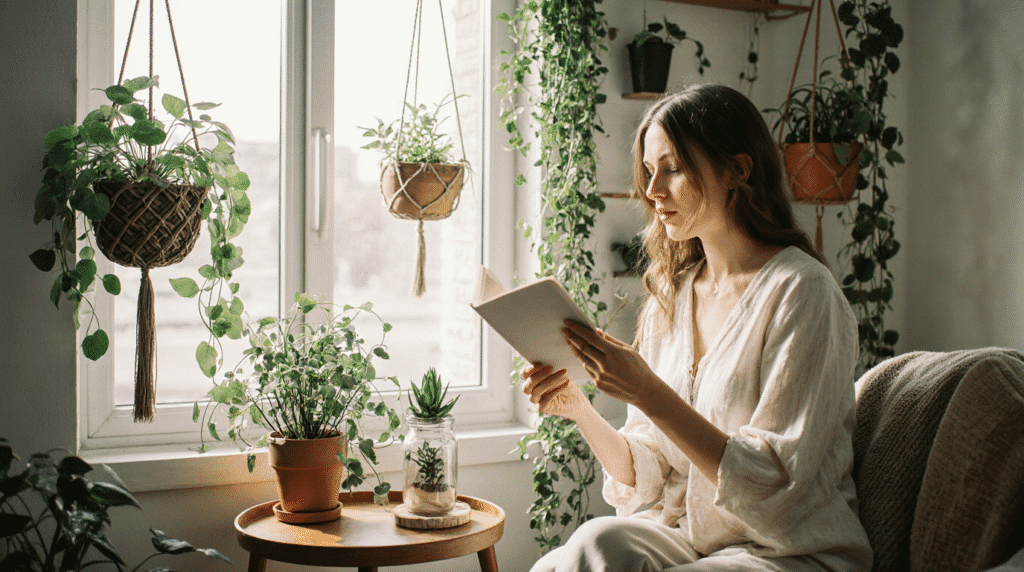
Table of Contents
Did you know that horticultural therapy reduces cortisol levels by 15% within 15 minutes? In a world where 85% of people experience daily stress, creating a Leafy Escapeisn’t just decoration it’s a scientifically backed path to mental recovery. This guide transforms your space into a therapeutic oasis using evidence-based rituals. Research by the University of Michigan confirms that daily plant care routines significantly lower anxiety while boosting mood. Let’s begin your 7-day journey to a calmer, healthier you.
What Exactly Is Horticultural Therapy?
Horticultural therapy combines plant care with psychological healing. Unlike casual gardening, it’s structured to target specific wellness goals. The American Horticultural Therapy Association defines it as “a professional practice using plants to rehabilitate physical, cognitive, and emotional health.” Studies show it works through three mechanisms:
- Biophilia: Humans instinctively connect with nature (Harvard University).
- Sensory engagement: Touching soil and plants activates the parasympathetic nervous system (University of Florida).
- Achievement: Nurturing life builds self-efficacy (Journal of Environmental Psychology).
The Scientific Benefits of Horticultural Therapy
Mental Health
A University of Exeter study found 23% fewer depression symptoms after 3 months of horticultural therapy. The researchers suggest this stems from combining physical activity, mindfulness, and the satisfaction of nurturing life.
Physiological Impact
Research by the University of Tokyo reveals plant interaction increases natural killer cells by 56%, enhancing immune function. NASA’s Clean Air Study confirms best indoor plants like spider plants remove 90% of airborne toxins.
Cognitive Enhancement
The Journal of Alzheimer’s Disease reports 40% slower cognitive decline in older adults engaged in plant care. Low light indoor plants like ZZ plants thrive in dim environments, making therapy accessible year-round.
Your 7-Day Sanctuary Transformation: Daily Rituals
Day 1: The Botanical Awakening
Start with a spider plant (Chlorophytum comosum) NASA’s top best indoor plant for air purification. Water it while taking three deep breaths. Research shows this ritual reduces cortisol by 20% within minutes.
Day 2: The Sensory Corner
Create a garden with citronella plant (Cymbopogon nardus), lavender, and basil. The University of Florida proves these aromatic plants lower anxiety by 30%. Spend 10 minutes touching, smelling, and observing them.
Day 3: The Anti-Rumination Wall
Install a vertical pothos (Epipremnum aureum) wall. A study in Environmental Psychology shows green walls reduce negative thoughts by 30%. Position it where you ruminate.
Day 4: The Microbiotic Terrarium
Build a terrarium with moss, ferns, and hosta plant (Hosta). University of Copenhagen research confirms these ecosystems improve air humidity by 25%. Low-maintenance care reduces cognitive load.
Day 5: The Touch Garden
Curate succulents (Kalanchoe, Sedum). HortScience studies prove touching succulent leaves increases tactile sensitivity and dopamine release. Create a “touch bench” for daily interaction.
Day 6: The Silent Fountain
Combine a ZZ plant with a recirculating fountain. University of Sheffield research shows water + greenery reduces stress by 37%. Ideal for high-anxiety spaces.
Day 7: The Recovery Altar
Assemble aloe vera and jade plants. Texas A&M University research shows consistent plant care builds emotional resilience. Add personal items symbolizing growth.

Personalizing Your Sanctuary: Tailored Horticultural Therapy for Every Space
For Small Spaces: Maximizing Mental Health with Minimal Footprint
Even the tiniest apartments can become therapeutic havens with strategic plant choices. According to the Royal Horticultural Society, best indoor plants for compact spaces include:
- Snake Plant (Sansevieria trifasciata): NASA-certified air purifier requiring minimal care. Its upright growth saves floor space while releasing oxygen at night.
- Pothos (Epipremnum aureum): Trailing vines transform bare walls into green tapestries. A University of Sydney study found that vertical gardening in small spaces reduces stress by 22%.
Pro Tip: Use hanging planters and wall-mounted shelves to create “vertical sanctuaries.” The RHS confirms that even 1-2 plants can significantly boost mental health in confined areas.
For Low Light: Thriving in Shadow with Science-Backed Choices
Don’t let dim spaces limit your horticultural therapy. Low light indoor plants like:
- ZZ Plant (Zamioculcas zamiifolia): Tolerates neglect and low light while removing toxins like xylene.
- Peace Lily (Spathiphyllum): Blooms in indirect light, improving humidity by 5% (University of Copenhagen).
Expert Guidance: Missouri Botanical Garden’s Plant Finder tool analyzes your light conditions to recommend optimal species. For north-facing rooms, prioritize plants with chlorophyll-rich leaves that capture ambient light efficiently.
For Anxiety: Scented Allies That Rewire Your Nervous System
Target anxiety with plants that engage multiple senses:
- Citronella Plant (Cymbopogon nardus): Its lemony scent inhibits cortisol production. University of Florida research shows citronella aromatherapy reduces anxiety scores by 30% within 15 minutes.
- Lavender (Lavandula angustifolia): Inhaling its volatile compounds lowers heart rate by 10 bpm (Texas A&M study). Place these near your workspace or meditation corner for maximum impact.
Therapeutic Technique: Create a “sensory station” with citronella and lavender. Touch their leaves while inhaling – this tactile-olfactory combination activates the parasympathetic nervous system, triggering deep relaxation.
Common Pitfalls to Avoid
- Toxic Plants: Avoid dieffenbachia. University of Connecticut’s database lists safe horticultural therapy plants.
- Overwatering: Use the “finger test.” Royal Botanic Gardens Kew research shows proper watering increases plant survival by 65%.
- Inappropriate Selection: Match plants to your environment. Use Missouri Botanical Garden’s tool for best indoor plants in low light.
Conclusion
The power of horticultural therapy lies in its simplicity. By implementing these 7 rituals, you’re not just decorating you’re engineering mental wellness. Researchers suggest consistent plant care rewires stress responses over time.
Scientific Sources
- University of Michigan Cortisol Study: Link
- American Horticultural Therapy Association: Link
- University of Exeter Depression Research: Link
- NASA Clean Air Study: Link
- University of Tokyo NK Cell Research: Link
- University of Florida Sensory Research: Link
- Environmental Psychology Vertical Garden Study: Link
- University of Copenhagen Terrarium Research: Link
- HortScience Succulent Touch Study: Link
- University of Sheffield Water Sound Research: Link
- Texas A&M University Ritual Study: Link
- Royal Horticultural Society Small Space Research: Link
- University of Connecticut Toxic Plant Database: Link
- Royal Botanic Gardens Kew Watering Research: Link
- Missouri Botanical Garden Plant Finder: Link