Horticultural Therapy Made Simple: Grow Wellness, Heal Your Mind

5 Proven Teas to Instantly Stop Morning Sickness (Expert Guide)

Table of Contents
Are you experiencing morning sickness during your first trimester? You’re not alone. For generations, grandmothers around the world have passed down gentle, natural solutions to help ease the discomfort of pregnancy nausea. At the heart of these time-tested remedies: herbal teas.
From Western traditions to ancient Asian medicine, certain herbs like ginger and peppermint have been cherished for their soothing properties during pregnancy. Simple, natural, and comforting, these teas offer a gentle way to support your well-being during those challenging early weeks.
Understanding Morning Sickness
When Does It Start?
Morning sickness typically begins around the 6th week of pregnancy, though some women experience it as early as 4 weeks. Despite its name, nausea can strike at any time of day or night. For most women, symptoms ease by the end of the first trimester, though every pregnancy is unique.
Why Choose Natural Solutions?
Throughout history, expectant mothers have turned to gentle, plant-based remedies to support their comfort during pregnancy. These traditional approaches offer a soft, natural way to accompany your body through this transformative time.
Wisdom from East and West
Interestingly, both Western grandmothers and ancient Asian medical traditions have independently developed similar solutions. This convergence of knowledge across cultures speaks to the time-tested nature of these remedies. The use of ginger, for instance, appears in 2,000-year-old Chinese medical texts and in European folk medicine alike.
This cross-cultural wisdom, now increasingly validated by modern research, forms the foundation of the remedies we’ll explore today.
The Remarkable Story of Ginger and Peppermint
Before we dive into the tea recipes, let’s explore something fascinating: why do ginger and peppermint keep appearing as the go-to remedies for pregnancy nausea? The answer lies in a rare convergence of ancient wisdom, official validation, and modern science.
Ancient Wisdom (200 AD)
Ginger isn’t just a “folk remedy” that appeared randomly. Its use for pregnancy nausea has been documented for nearly 2,000 years in Traditional Chinese Medicine.
Historical Reference:
The Jing Gui Yao Lue (《金匱要略》), “Essential Prescriptions from the Golden Cabinet,” written by Zhang Zhongjing around 200 AD, dedicates an entire section to conditions during pregnancy. This foundational text describes the syndrome of “vomiting during pregnancy” (妊娠嘔吐) and presents several formulas containing fresh ginger to “harmonize the Stomach” and “stop vomiting.”
Peppermint’s Heritage:
Peppermint is documented in the Ben Cao Gang Mu (《本草纲目》), the most comprehensive encyclopedia of Chinese pharmacology (16th century), which describes its properties for “promoting the free flow of Qi” and soothing digestive discomfort.
Modern Official Recognition
Institutional Validation:
The Pharmacopoeia of the People’s Republic of China, the legal document regulating the use of medicinal plants for 1.4 billion people, officially lists ginger (生姜) with the explicit function “stop vomiting” (止呕).
This inscription in a state pharmacopoeia represents major institutional validation of traditional use.
Contemporary Scientific Confirmation
What Modern Research Says:
Multiple meta-analyses published in peer-reviewed scientific journals (Cochrane Database, Nutrition Journal) have compiled results from numerous clinical studies. Their conclusion is nearly unanimous: ginger appears significantly more helpful than placebo for supporting comfort during pregnancy nausea, at usual doses, without increasing risks for mother or baby.
A Rare Convergence
What makes ginger exceptional:
Few natural remedies can claim such triple validation:
- ✅ A 1,800-year-old medical text
- ✅ A modern state pharmacopoeia
- ✅ International scientific studies
This convergence explains why ginger remains the most transmitted remedy from generation to generation, in both East and West.
Remember:
This historical and scientific information is shared for educational purposes. It does not replace personalized medical advice. Always consult your healthcare professional before using medicinal plants during pregnancy.
The 5 Safe Grandma’s Herbal Teas
Now that you understand the remarkable background of these remedies, let’s explore the five traditional teas that have helped countless expectant mothers.
1. Ginger Tea – The Most Trusted
⭐⭐⭐⭐⭐ The undisputed champion
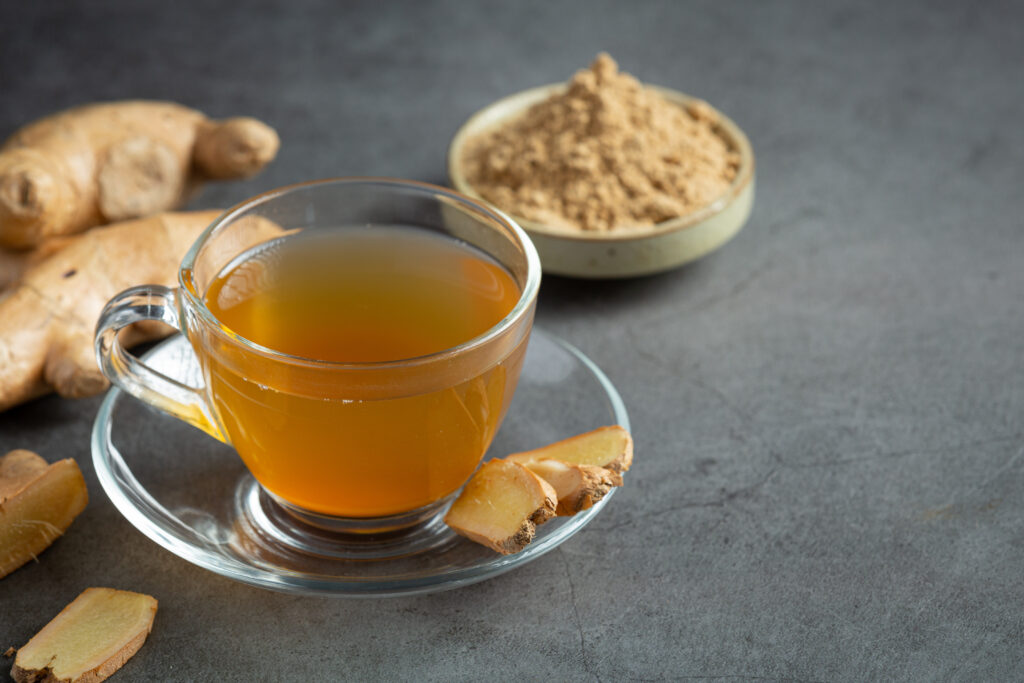
Ginger tea isn’t just a passing fad. It’s an herb whose use for pregnancy nausea has been documented for nearly 2,000 years and validated by modern science.
Why such widespread trust?
As we’ve seen, ginger benefits from exceptional triple validation: millennial tradition, official recognition, and scientific confirmation. Our grandmothers were right, and they might not have even known the depth of this plant’s remarkable history!
Traditional Recipe:
- 1-2 cm fresh ginger root, thinly sliced or grated
- 250 ml (1 cup) near-boiling water
- Honey to taste (optional)
- Fresh lemon slice (optional)
Preparation:
- Bring water to a gentle boil and let it cool slightly
- Place fresh ginger in your cup
- Pour water over ginger
- Steep for 5-10 minutes (longer for stronger flavor)
- Strain and add honey or lemon if desired
Suggested Amount: 1-2 cups per day (approximately 1-2g ginger)
Best Time to Drink: First thing in the morning, or whenever nausea appears
⚠️ Precaution: Always ask your healthcare provider about the appropriate amount for your specific situation. Moderation is key.
2. Peppermint Infusion – Cooling Relief
⭐⭐⭐⭐⭐ Refreshing and soothing
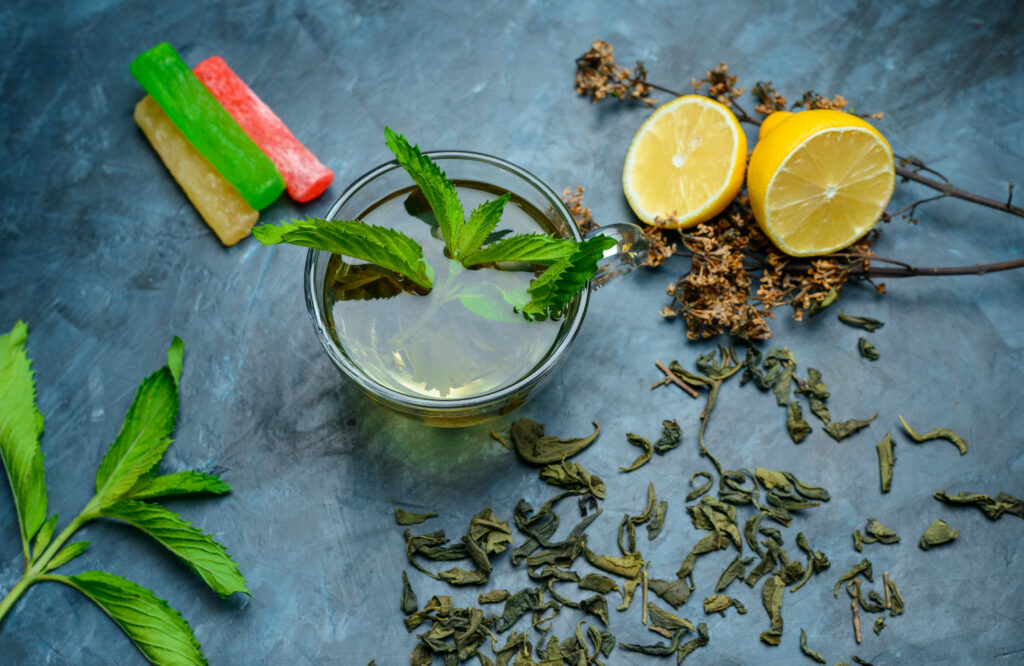
Peppermint has been cherished for generations for its refreshing, cooling properties. Many women find its aromatic qualities particularly comforting when nausea strikes.
Why peppermint?
In Traditional Chinese Medicine, peppermint is described as helping to “promote the free flow of Qi,” which may explain why it can feel so soothing when your stomach feels “stuck” or uncomfortable. The cooling sensation and pleasant aroma also provide comfort.
Simple Recipe:
- 1 tablespoon fresh peppermint leaves (or 1 teaspoon dried)
- 250 ml (1 cup) hot water
- Honey to taste (optional)
Preparation:
- Place peppermint leaves in your cup
- Pour hot (not boiling) water over leaves
- Steep for 5-7 minutes
- Strain and enjoy
Suggested Amount: 2-3 cups maximum per day
Best Time to Drink: After meals or when you feel nausea coming on
Tip: You can also inhale the steam from your cup before drinking – the aromatic properties can be soothing on their own.
3. Warm Lemon Water – The Simplest Solution
⭐⭐⭐⭐⭐ When simple is best
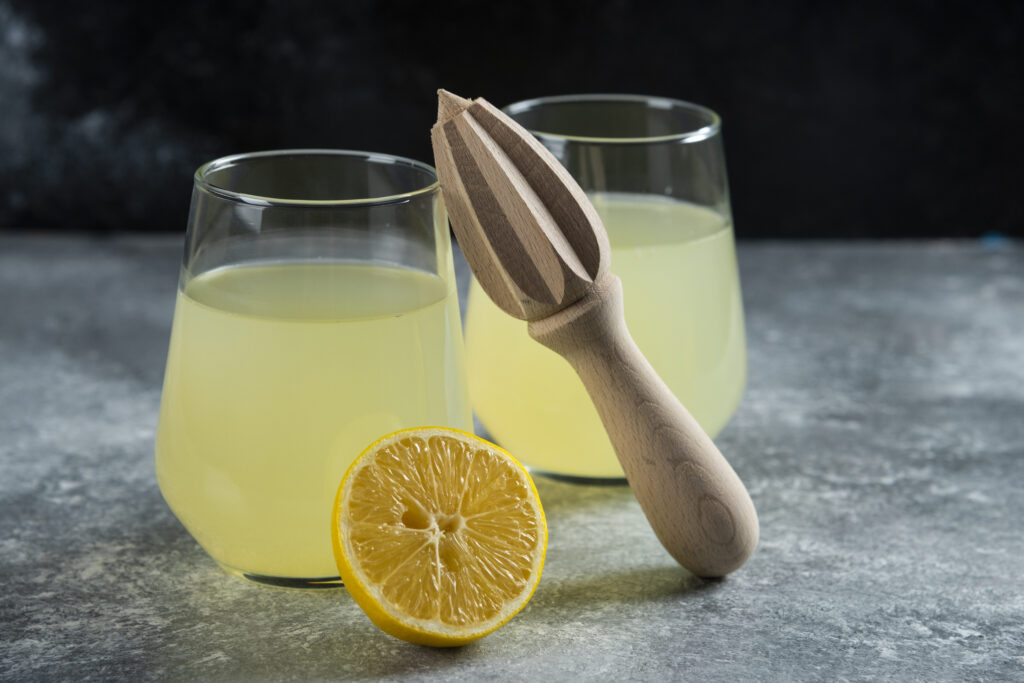
Sometimes the most effective remedies are the simplest. Warm lemon water has been a grandmother’s go-to for generations, and for good reason.
Why it works:
The fresh, citrus aroma can be particularly pleasant when you’re feeling nauseous. Plus, it helps keep you hydrated – crucial during pregnancy. Some women find that the slight acidity helps settle their stomach.
Easy Recipe:
- ½ fresh lemon, squeezed
- 250 ml (1 cup) warm (not hot) water
- Tiny bit of honey if desired
Preparation:
- Warm water to a comfortable drinking temperature
- Squeeze fresh lemon juice into the water
- Stir and sip slowly
Amount: No limit – this is primarily hydration!
Best Time to Drink: First thing in the morning, throughout the day, or whenever you feel queasy
Bonus Tip: Keep lemon slices ready in your fridge. The fresh citrus scent alone can sometimes provide quick relief.
4. Chamomile Tea – Gentle Comfort
⭐⭐⭐⭐ Soothing and relaxing
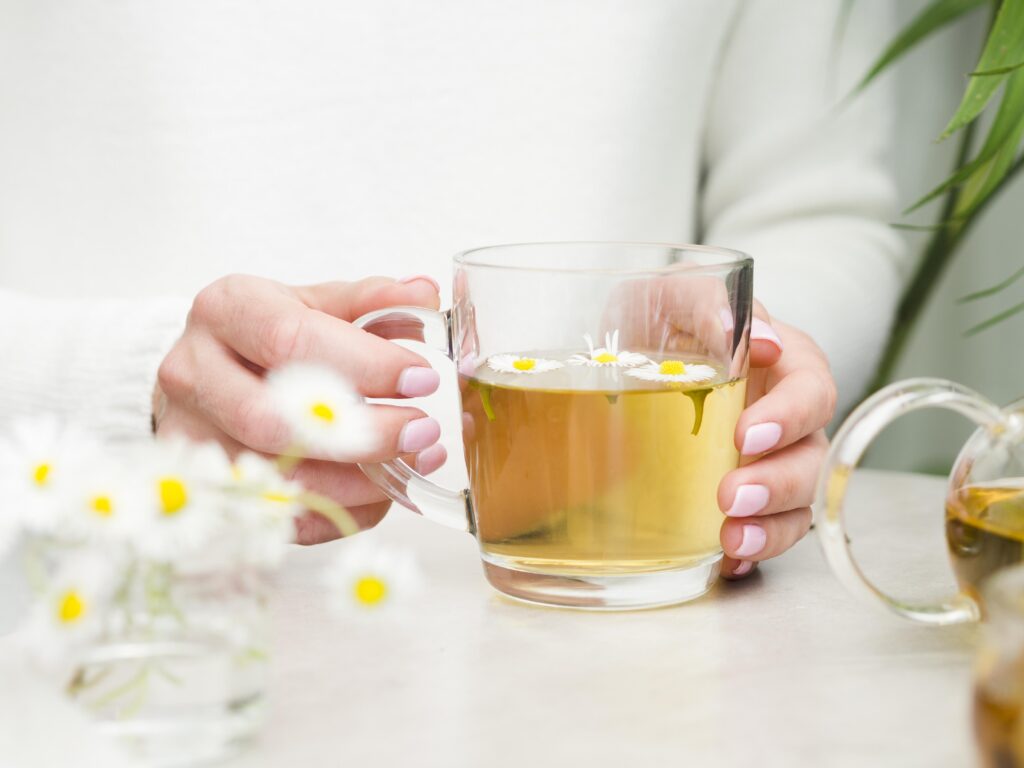
Chamomile has been used for centuries as a gentle, calming herb. Its mild, slightly sweet flavor and relaxing properties make it a favorite among expectant mothers.
Traditional Use:
Chamomile is known in folk medicine for its gentle, soothing qualities. Many women appreciate it not just for physical comfort but also for its calming effect during the emotional ups and downs of early pregnancy.
Traditional Recipe:
- 1-2 teaspoons dried chamomile flowers (or 1 tea bag)
- 250 ml (1 cup) hot water
- Honey to taste (optional)
Preparation:
- Place chamomile in your cup
- Pour hot water over flowers
- Steep for 5 minutes
- Strain and enjoy
Suggested Amount: 1-2 cups per day
Best Time to Drink: Evening or whenever you need gentle comfort
⚠️ Note: Use in moderation. While generally considered safe, always consult your healthcare provider.
5. Rooibos (Red Tea) – Caffeine-Free and Safe
⭐⭐⭐⭐⭐ The worry-free choice
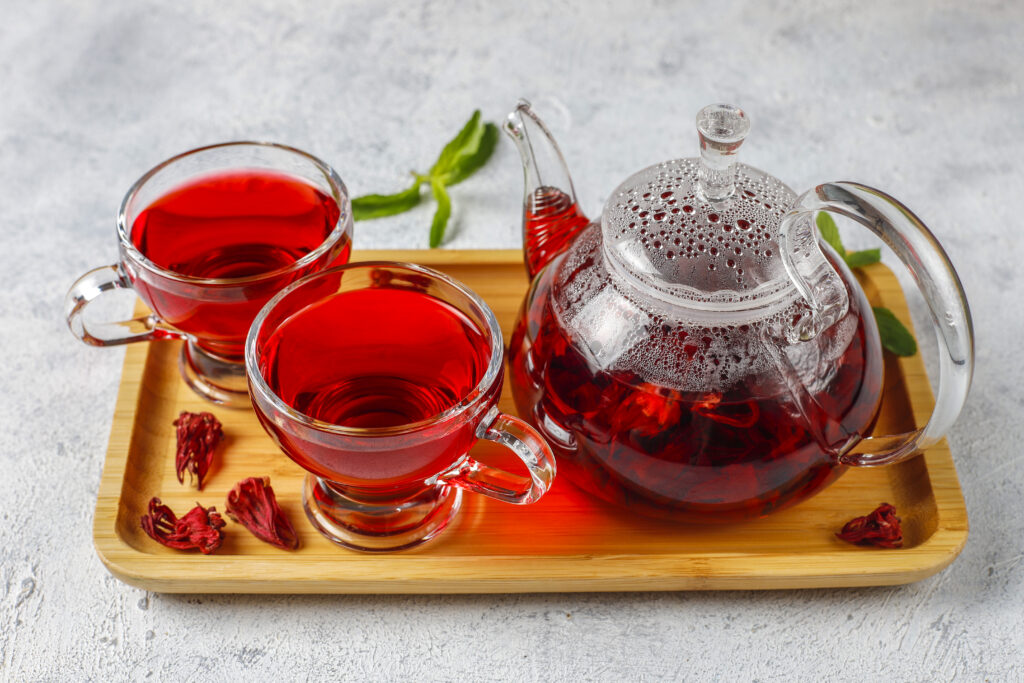
Rooibos, also known as red tea, comes from South Africa and has become increasingly popular among pregnant women worldwide. It’s naturally caffeine-free and has a pleasant, slightly sweet, earthy flavor.
Why rooibos?
Unlike black or green tea, rooibos contains zero caffeine, making it safe to enjoy throughout pregnancy. It’s rich in antioxidants, gentle on the stomach, and many women find its naturally sweet taste appealing when other flavors seem unappealing.
Simple Recipe:
- 1-2 teaspoons rooibos tea (or 1 tea bag)
- 250 ml (1 cup) boiling water
- Optional: a splash of milk, honey, or vanilla
Preparation:
- Place rooibos in your cup
- Pour boiling water over tea
- Steep for 5-7 minutes (longer steeping makes it stronger but not bitter)
- Enjoy plain or with additions
Amount: 3-4 cups per day are generally considered safe
Best Time to Drink: Anytime! It’s caffeine-free, so even before bed is fine
Bonus: Rooibos can be enjoyed hot or cold, making it versatile for different cravings.
How to Prepare Your Teas for Best Results?
Choose Quality Herbs
- Go organic when possible: Especially important during pregnancy
- Fresh is often best: Particularly for ginger
- Buy from reputable sources: Pharmacies, health food stores, or trusted online retailers
- Check expiration dates: Dried herbs lose potency over time
Water Temperature Matters
- For most herbal teas: Water just below boiling (90-95°C / 195-205°F)
- For delicate herbs like peppermint: Slightly cooler (85-90°C / 185-195°F)
- Never use boiling water directly: Let it cool for 30 seconds after boiling
Steeping Time
- Ginger: 5-10 minutes (longer = stronger)
- Peppermint: 5-7 minutes
- Chamomile: 5 minutes
- Rooibos: 5-7 minutes (can steep longer without bitterness)
Storage Tips
- Store dried herbs in airtight containers
- Keep in a cool, dark place
- Use within 6 months for best potency
- Fresh ginger can be stored in the freezer
Best Times to Drink
- Morning: Ginger or lemon water (before getting out of bed)
- Throughout the day: Sip any of these teas between meals
- Evening: Chamomile or rooibos for relaxation
- When nausea hits: Reach for ginger or peppermint
Complementary Natural Methods
Beyond herbal teas, our grandmothers’ wisdom includes other gentle strategies that can support your comfort during morning sickness.
Simple Dietary Adjustments
Eat Small, Frequent Meals
Instead of three large meals, try 5-6 small snacks throughout the day. Keeping something light in your stomach can help prevent nausea from an empty stomach.
The Bedside Crackers Trick
This is one of the most famous grandmother’s tips! Keep plain crackers, dry toast, or plain biscuits on your nightstand. Before getting out of bed in the morning:
- Eat 1-2 crackers while still lying down
- Wait 10-15 minutes, sitting up slowly
- Then rise slowly from bed
Many women report this simple trick helps them start the day more comfortably.
Sip, Don’t Gulp
Drink water or tea in small sips throughout the day rather than large amounts at once. Large quantities of liquid can sometimes trigger nausea. Keep a water bottle with you and take frequent tiny sips.
P6 Acupressure Point – Ancient Technique, Modern Relief
🌟 A method from Traditional Chinese Medicine
The P6 point (also called Neiguan or “inner gate”) has been used for centuries in TCM to support people experiencing nausea.
Where to Find It:
📍 On the inner side of your wrist 📍 About three finger-widths below your wrist crease 📍 Between the two visible tendons you can feel
How to Use Acupressure:
- Locate the point: Place three fingers of your opposite hand below your wrist crease
- Apply firm pressure: Using your thumb, press firmly on the point just below your three fingers
- Massage gently: Make small circular motions while maintaining pressure
- Hold for 2-3 minutes: Breathe calmly during this time
- Repeat on the other wrist
When to Use It:
- As soon as you feel nausea coming on
- First thing in the morning before rising
- While sipping your tea
- As often as needed throughout the day
Modern Tip: You can find acupressure wristbands (like Sea-Band) in pharmacies that apply constant pressure to this point throughout the day.
Combine for Best Results: Many women find that drinking ginger tea while practicing P6 acupressure provides the most comfort.
Other Helpful Habits
Fresh Air: Open windows or take short walks outside when possible
Rest When Needed: Fatigue can worsen nausea, so listen to your body
Avoid Strong Smells: If certain odors trigger your nausea, ask family members to help minimize them
Cold Foods: Some women find that cold foods are easier to tolerate than hot meals
Teas to AVOID: Safety First
While certain teas can offer comfort during pregnancy, others can present risks to you and your baby, particularly during the first trimester.
The Golden Rule: Safety Above All
Even though something is natural doesn’t mean it’s safe during pregnancy. Here are the teas you must absolutely avoid:
❌ DANGEROUS Teas – DO NOT Consume
1. Raspberry Leaf Tea
- ⚠️ Can stimulate uterine contractions
- ❌ Must be avoided completely during 1st and 2nd trimesters
- ℹ️ Sometimes used only in 3rd trimester under medical supervision, but NOT for nausea
- 🚫 Never appears in remedies for morning sickness
- Why the confusion? Raspberry leaf is popular for late pregnancy, but it’s completely inappropriate and potentially dangerous for early pregnancy nausea
2. Sage Tea
- ⚠️ Can stimulate uterine contractions
- ⚠️ May raise blood pressure
- ❌ Avoid throughout pregnancy
3. Licorice Root Tea
- ⚠️ Can increase blood pressure
- ⚠️ May affect hormone levels
- ❌ Avoid during pregnancy
4. Aloe Vera (Internal Use)
- ⚠️ Can cause uterine contractions
- ⚠️ Strong laxative effect
- ❌ Never as a tea during pregnancy
Other Plants to Avoid:
Angelica, Elder, Hyssop, Mugwort, Rue, Wormwood, Pennyroyal, and many other herbs are also contraindicated during pregnancy.
ESSENTIAL SAFETY RULES
✅ Always Consult Before Starting
Even for teas listed as “safe” in this article, ask your midwife, doctor, or pharmacist before consuming them. Every pregnancy is unique.
✅ Never Exceed Suggested Amounts
Even herbs considered safe must be consumed in moderation. More is not better.
✅ Listen to Your Body
If a tea causes you any discomfort, stop drinking it immediately.
✅ Choose Quality Sources
Buy your herbs from pharmacies, reputable health food stores, or trusted online retailers. Choose organic when possible.
✅ When in Doubt, Don’t
If you’re unsure about an herb, don’t take the risk. Stick with the well-documented safe options or skip it entirely.
Your Safety and Your Baby’s Safety Are the Priority
This information is shared to help you make informed choices. Grandma’s teas can offer gentle support during pregnancy, but only when chosen carefully and used wisely.
Your healthcare provider knows your personal situation and can give you advice specifically tailored to you.
Frequently Asked Questions
Q: Which tea is most effective for morning sickness?
Ginger is often considered particularly helpful, recognized in both Western and Asian traditional approaches. However, every woman is different – what works wonderfully for one person might not appeal to another. Feel free to try different options to find what suits you best.
Q: How many cups can I drink per day?
For ginger: 1-2 cups (approximately 1-2g). For peppermint and chamomile: 2-3 cups maximum. For rooibos and lemon water: more flexibility. Always ask your healthcare provider for personalized guidance.
Q: Can I combine different teas?
Some combinations are pleasant (for example, ginger with lemon), but always consult a healthcare professional before mixing multiple herbs. Not all combinations are safe during pregnancy.
Q: Does the P6 acupressure point really work?
The P6 acupressure point has been used for centuries in Traditional Chinese Medicine. Many women report finding relief with this technique. It’s a gentle method you can try safely. If it helps you, that’s wonderful – if not, you have other options.
Q: Why is raspberry leaf tea dangerous in early pregnancy?
Contrary to popular belief, raspberry leaf can stimulate uterine contractions and is therefore unsuitable for the first trimester. It’s sometimes used later in pregnancy to prepare for labor, but it’s not intended to ease nausea and shouldn’t be consumed early in pregnancy.
Q: Where can I buy quality ginger?
Choose fresh organic ginger from health food stores or farmers’ markets. For ready-made teas, pharmacies and herbalist shops are your best bet. Look for organic certification when possible.
Q: The morning crackers trick – does it really help?
This is one of the most time-tested grandmother’s tips. Having something mild in your stomach before getting up can help some women feel more comfortable. It’s simple, safe, and worth trying.
Q: Can I use ginger powder instead of fresh?
Yes, but fresh is generally preferred. If you use powder: maximum ½ teaspoon per cup, as it’s more concentrated than fresh ginger.
Q: Are these teas safe throughout all trimesters?
The five teas listed in this article (ginger, peppermint, lemon water, chamomile, rooibos) are generally considered safe when used in moderation. However, always confirm with your healthcare provider, as individual circumstances vary.
Q: What if none of these teas help?
Every pregnancy is different. If natural remedies aren’t providing enough relief, or if your nausea is severe (hyperemesis gravidarum), please speak with your doctor. There are other options available, and severe morning sickness requires medical attention.
In Summary: Your Natural Morning Sickness Comfort Kit
Morning sickness can be exhausting, but you now have a collection of gentle solutions drawn from ancestral traditions:
The 5 Grandma’s Teas:
- Ginger (the most trusted)
- Peppermint (cooling freshness)
- Warm lemon water (simple hydration)
- Chamomile (gentle comfort)
- Rooibos (caffeine-free anytime)
Complementary Methods:
- P6 acupressure point
- Small, frequent meals
- Bedside crackers
- Sipping water throughout the day
Never Forget:
- Some plants are dangerous (raspberry leaf, sage, licorice, aloe)
- Always consult your healthcare provider before starting
- Listen to your body
- Don’t exceed suggested amounts
- Safety comes first, always
These traditional remedies are shared to support you gently, but they never replace personalized medical advice.
Have you tried these teas or the P6 acupressure technique? Share your experience in the comments to help other expectant mothers!
Wishing you a comfortable and healthy pregnancy journey! 💚
⚠️ Final Disclaimer:
This article is for informational purposes only and does not constitute medical advice. Always consult your midwife, doctor, or qualified healthcare provider for advice tailored to your specific situation. Every pregnancy is unique, and what’s safe for one person may not be appropriate for another.
Scientific References:
1-Cochrane Meta-Analysis (Gold Standard)