Horticultural Therapy Made Simple: Grow Wellness, Heal Your Mind

Guide to 5 Plants for a Natural Home Pharmacy
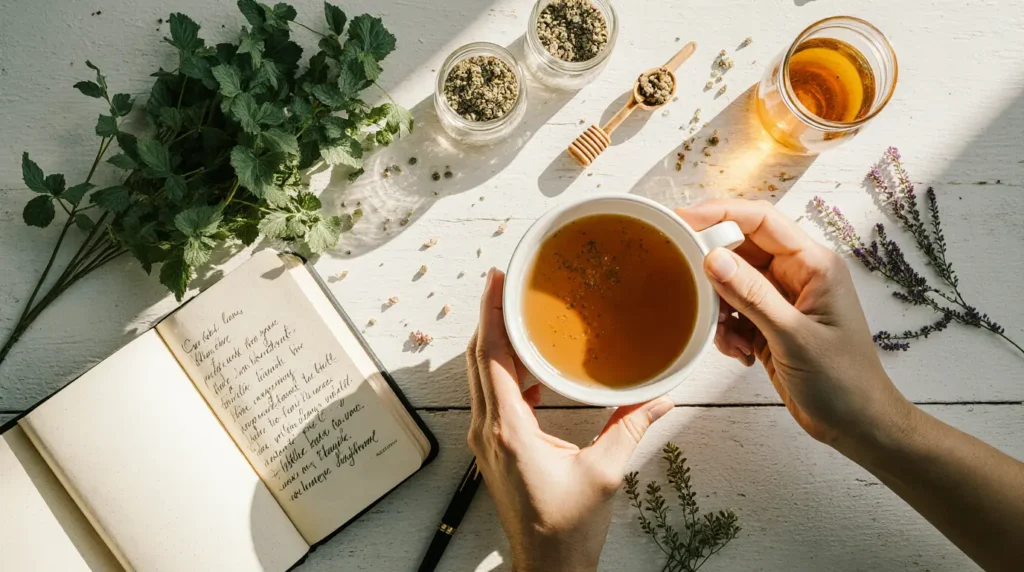
In an age of modern medicine, the timeless wisdom of using plants for healing is experiencing a powerful resurgence. Creating your own natural pharmacy isn’t about rejecting conventional care; it’s about empowering yourself with simple, effective first-line remedies for common ailments. This guide will help you build the foundation of your home apothecary with five essential therapeutic plants, detailing their uses, preparations, and important safety precautions.
Table of Contents
The Power of Plants: More Than a Remedy, a Way of Life
Engaging with medicinal plants offers a dual benefit: it provides natural solutions for physical ailments while also promoting mental well-being. The very act of caring for a living thing, watching it grow, and then harvesting it for your health is a mindful, therapeutic practice in itself. This connection to nature is a fundamental part of holistic health, addressing both the body and the mind.
1. Lavender: The Ultimate Soother
Renowned for its calming scent, lavender is a cornerstone of any natural pharmacy for its ability to ease stress and promote rest.
- Primary Benefits and Scientific EvidenceLavender’s power comes mainly from its essential oil, rich in linalool and linalyl acetate. Research, including studies cited by the National Center for Complementary and Integrative Health (NCCIH), notes its potential for reducing anxiety and improving sleep quality. Its anti-inflammatory and analgesic properties also make it useful for minor burns, headaches, and skin irritations.
- How to Use It? Our Home Recipes
- Tea: Steep 1-2 tsp of dried buds in hot water for 10 minutes to ease anxiety before bed.
- Essential Oil: Diffuse a few drops to create a calming atmosphere. Always dilute with a carrier oil like jojoba before applying to skin.
- Bath: Place a handful of dried lavender in a muslin bag under running hot water for a relaxing soak.
- Usage PrecautionsLavender is generally safe in culinary amounts. However, the essential oil may cause skin irritation in some. It is potentially hormone disrupting for young boys, so topical use of the essential oil should be avoided. Consult your doctor before use if you are on sedative medications.
2. Peppermint: The Digestive Aid
A vibrant and invigorating herb, peppermint is a hero for digestive issues and mental fatigue.
- Primary Benefits and Scientific EvidencePeppermint’s active ingredient, menthol, is a potent antispasmodic. A review of studies on PubMed Central confirms that peppermint oil is effective in relieving symptoms of Irritable Bowel Syndrome (IBS), such as bloating and pain. Its stimulating aroma is also known to enhance concentration and fight mental fatigue.
- How to Use It? Our Home Recipes
- Tea: Drink a cup of peppermint tea after meals to aid digestion.
- Inhalation: Add a drop of peppermint essential oil to a bowl of hot water and inhale the steam (eyes closed) to clear sinuses.
- Fresh Leaves: Chew on a fresh leaf to freshen breath naturally.
- Usage PrecautionsPeppermint tea is safe for most. However, peppermint oil in high doses can be toxic. It can cause heartburn in some individuals and may interact with certain medications. It is not recommended for people with GERD or for infants and young children.
3. Aloe Vera: The Multitasking Healer
A succulent known for its soothing gel, aloe vera is a first-aid must-have for skin health.
- Primary Benefits and Scientific EvidenceThe clear gel inside aloe leaves contains compounds with anti-inflammatory and antibacterial properties. The Mayo Clinic notes that aloe vera gel is likely effective for treating minor skin burns, sunburns, and psoriasis. It accelerates wound healing by increasing blood circulation and preventing cell death around the wound.
- How to Use It? Our Home Recipes
- Fresh Gel: Snap off a lower leaf, slice it open, and scoop out the gel. Apply directly to sunburns, minor cuts, or insect bites for instant cooling relief.
- DIY Soothing Gel: Blend the fresh gel with a few drops of lavender oil and store it in the refrigerator for an enhanced after-sun treatment.
- Usage PrecautionsTopical use is very safe for most people. Do not ingest aloe vera latex (the yellow sap just under the leaf skin), as it is a powerful laxative with potential side effects. Always do a patch test first, as some people may experience contact dermatitis.
4. Echinacea: The Immune Stimulant
Famous for its vibrant purple flowers, Echinacea is the go to herb for immune support, especially during cold season.
- Primary Benefits and Scientific Evidence Echinacea is believed to stimulate the immune system, helping it fight infections. While studies have been mixed, some clinical trials, like those summarized by Cochrane Reviews, suggest that it can slightly reduce the duration and severity of the common cold if taken at the first sign of symptoms.
- How to Use It? Our Home Recipes
- Tea: Drink echinacea tea at the first tickle of a sore throat.
- Tincture: This is the most common form. Follow the dosage on a commercially prepared tincture from a reputable source.
- Usage PrecautionsEchinacea is not recommended for long-term daily use. It’s best used cyclically (e.g., for 1-2 weeks at a time). People with autoimmune diseases, those allergic to plants in the daisy family, or those on immunosuppressant medications should avoid it.
5. Chamomile: The Gentle Nervine
This gentle, daisy-like flower is one of the safest and most effective herbs for calming nerves and promoting sleep.
- Primary Benefits and Scientific EvidenceChamomile contains apigenin, an antioxidant that binds to specific receptors in the brain, promoting sedation and reducing anxiety. A study funded by the National Institutes of Health (NIH) found that chamomile extract was effective in reducing moderate-to-severe symptoms of generalized anxiety disorder (GAD). It’s also excellent for soothing an upset stomach.
- How to Use It? Our Home Recipes
- Tea: The classic remedy. A strong cup of chamomile tea is the perfect end to a stressful day.
- Compress: Soak a cloth in cool, strong chamomile tea and apply it to irritated skin or tired eyes.
- Usage PrecautionsChamomile is very safe for people of all ages. However, as it is part of the Asteraceae family, those with severe allergies to ragweed, chrysanthemums, or marigolds may experience a reaction.
FAQ: Your Questions on Home Phytotherapy
- Can plants replace all medications?
No. While powerful, medicinal plants are not a substitute for professional medical diagnosis or prescription medications for serious conditions. They are best used for minor, self-limiting ailments and as a complementary approach under the guidance of a healthcare provider. - Where can I get high-quality plants?
You can grow them yourself from organic seeds or buy established plants from reputable nurseries. For dried herbs and preparations, choose suppliers known for ethical sourcing and third-party testing, like Mountain Rose Herbs. - Which plant is the easiest for a beginner to grow?
Aloe Vera and Mint are exceptionally beginner-friendly. They are resilient, grow quickly, and require minimal care. - How should I store my medicinal plants?
Keep dried herbs in airtight, dark glass jars away from heat and sunlight. Tinctures and oils should also be stored in a cool, dark place. Fresh aloe gel is best used immediately or refrigerated for a short period.
Conclusion: Your Health Autonomy Starts Here
Building your natural pharmacy with these five plants Lavender, Peppermint, Aloe Vera, Echinacea, and Chamomile is a powerful step toward taking charge of your well-being. Remember that “natural” does not automatically mean “safe without caution.” Always respect the recommended uses and precautions. Start with one or two plants that address your immediate needs, learn to use them confidently, and gradually expand your home apothecary. Your journey to a more natural, empowered approach to health begins right here.