Horticultural Therapy Made Simple: Grow Wellness, Heal Your Mind


Table of Contents
Best Calming Plants for Anxiety: Indoor Guide
Are you feeling stressed and anxious? You’re not alone. Over 40 million Americans struggle with anxiety disorders, according to the Anxiety and Depression Association of America. The good news? Calming plants can naturally reduce your stress and transform your living space into a peaceful sanctuary. Research from the Journal of Physiological Anthropology shows that interacting with greenery can reduce both psychological and physiological stress. Let’s explore the 15 best calming plants for anxiety that can help improve your mental health starting today.
Why Greenery Is Essential for Stress Relief ?
Science backs up what plant lovers have known for years: having greenery around you makes you feel better. A groundbreaking study published in the Journal of Environmental Psychology found that people with plants in their homes reported 37% less stress and significantly better mood compared to those without plants.
But how exactly do calming plants help with your wellbeing? Here’s what research tells us:
Air Quality Improvement: NASA’s Clean Air Study discovered that certain plants remove up to 87% of air toxins within 24 hours. Cleaner air means better brain function and reduced stress symptoms.
Visual Calming Effect: According to research from Texas A&M University, looking at plants triggers your parasympathetic nervous system, which controls your “rest and digest” response. This naturally lowers your heart rate and blood pressure.
Mindful Connection: A study in the Journal of Health Psychology found that caring for plants creates a mindfulness practice that reduces cortisol (your stress hormone) by up to 20%.
Biophilic Response: Humans are hardwired to connect with nature. Environmental psychologist Dr. Roger Ulrich’s research shows that even viewing plants can reduce tension within 5 minutes.
Now that you understand the science, let’s dive into the best calming plants for anxiety relief journey.
What Are the Top Calming Plants for Anxiety?

1. Lavender – The Ultimate Stress-Relief Plant
Lavender tops every list of calming plants for good reason. Research published in Frontiers in Behavioral Neuroscience proves that lavender’s scent reduces stress levels by influencing your brain’s limbic system.
A 2019 study in Mental Health Clinician found that lavender aromatherapy decreased tension scores by 45% in just four weeks. Participants reported better sleep and lower stress levels.
Growing Lavender at Home:
- Place near a south-facing window for 6-8 hours of sunlight
- Water only when soil feels completely dry
- Use well-draining potting mix
- Keep room temperature between 60-70°F
2. Snake Plant (Sansevieria) – Low Light Champion
Perfect for beginners, the snake plant is virtually indestructible and works overtime to improve your mental health. This low light option releases oxygen at night, unlike most plants, improving your sleep quality.
The Journal of the National Institute of Environmental Health Sciences confirms that snake plants remove toxins like formaldehyde and benzene, which can trigger headaches and tension when accumulated in homes.
Why It’s Perfect for Stress Relief:
- Requires minimal care (less to worry about)
- Thrives in dim conditions
- Improves air quality 24/7
- Nearly impossible to kill
Care Tips:
- Water every 2-3 weeks
- Tolerates any light condition
- Use pots with drainage holes
3. Peace Lily – Natural Air Purifier
The peace lily earned its name honestly. This elegant plant with white blooms creates instant tranquility in any room. Research from the University of Georgia confirms peace lilies remove mold spores from the air by up to 60%, reducing respiratory issues that can worsen stress.
Mental Health Benefits:
- Increases humidity, making breathing easier
- Increases humidity, making breathing easier
- Removes airborne toxins according to NASA research
- Visual beauty promotes calm feelings
- Flowers signal thriving care (confidence boost)
Growing Guide:
- Prefers medium, indirect light
- Water weekly or when leaves droop slightly
- Mist leaves for humidity
- Perfect for bathrooms and bedrooms
4. Aloe Vera – Healing Inside and Out
Aloe vera isn’t just for sunburns. This succulent is a powerhouse for tension reduction. The International Journal of Environmental Research and Public Health published findings that aloe vera improves air quality while providing a sense of accomplishment through easy care.
Why Aloe Reduces Stress:
- Removes formaldehyde from air
- Extremely low maintenance
- Medicinal properties create psychological comfort
- Gel can be used for self-care rituals
Care Instructions:
- Bright, indirect sunlight
- Water every 3 weeks
- Well-draining cactus soil
- Perfect windowsill plant
5. Spider Plant – Stress-Busting Greenery
Spider plants are stress-fighters that keep on giving. They produce “babies” (new plantlets) that you can share with friends, creating social connections that combat tension. A Rutgers University study found that nurturing common houseplants like spider plants reduces loneliness and depression.
Mental Health Perks:
- Safe for pets (one less worry)
- Fast-growing (quick visual feedback)
- Removes carbon monoxide and xylene
- Propagation provides purposeful activity
How to Grow:
- Bright to moderate indirect light
- Water when top inch of soil is dry
- Hang in baskets for cascading beauty
6. Jasmine – Aromatherapy Powerhouse
The sweet scent of jasmine does more than smell nice. Research in the European Journal of Applied Physiology shows jasmine’s aroma improves sleep quality by 20% and reduces restless movements during sleep, helping stress-related insomnia.
A study from Wheeling Jesuit University found that jasmine scent increases alertness while simultaneously reducing tension a rare combination.
Benefits for Stress Relief:
- Natural sleep aid through aromatherapy
- Beautiful blooms boost mood
- Scent triggers positive memories
- Creates spa-like atmosphere
Care at Home:
- Needs 4-6 hours of sunlight
- Keep soil consistently moist
- Prune after flowering
- Use fertilizer monthly during growing season
7. Chamomile – Tea-Time Tranquility
Growing chamomile gives you double stress relief: the plant itself and the calming tea you can make. The Molecular Medicine Reports journal published research confirming chamomile reduces generalized worry disorder symptoms significantly.
A 2016 study found that people who drank chamomile tea daily for 8 weeks had 50% fewer nervous symptoms compared to the control group.
Why Grow Your Own:
- Fresh herbs are more potent
- Harvesting provides mindful activity
- Cost-effective stress remedy
- Connects you to traditional healing
Growing Tips:
- Needs full sun (6+ hours)
- Plant in well-draining soil
- Harvest flowers when fully open
- Dry for tea or use fresh
8. English Ivy – Clean Air, Clear Mind
English ivy is a powerful air purifier that specifically targets mold particles. According to research from the American College of Allergy, Asthma, and Immunology, English ivy removes 78% of airborne mold in just 12 hours. Since mold exposure can trigger nervous symptoms, this plant offers real relief.
Mental Health Benefits:
- Reduces allergens that worsen stress
- Easy to train and shape (creative outlet)
- Thrives in dim conditions
- Perfect for hanging displays
Care Requirements:
- Moderate to bright indirect light
- Water when top soil is dry
- Toxic to pets (keep out of reach)
- Prune regularly for bushiness
9. Bamboo Palm – Tropical Calm
This tall specimen brings vacation vibes to your home. The Journal of Environmental Horticulture reports that large houseplants like bamboo palm create significant psychological benefits, making spaces feel more open and less confining.
Bamboo palm ranks highly on NASA’s air-purifying list, removing formaldehyde, benzene, and carbon monoxide.
Why It Works for Stress Relief:
- Natural humidifier (adds 1 liter moisture daily)
- Creates privacy and safe spaces
- Low maintenance despite size
- Pet-safe option
Growing Guide:
- Bright, indirect light
- Keep soil consistently moist
- Mist leaves weekly
- Use large pots with drainage
10. Pothos (Devil’s Ivy) – Foolproof Serenity
Pothos is perfect for people who worry about killing plants. It’s nearly impossible to mess up. Research from the University of Technology Sydney found that having easy-care plants like pothos reduced workplace tension by 37% and increased productivity by 12%.
Stress-Reducing Qualities:
- Grows in any light condition
- Trails beautifully for visual interest
- Bounces back from neglect
- Removes pollutants efficiently
Care Instructions:
- Tolerates dim to bright light
- Water when completely dry
- Trim to encourage bushiness
- Perfect for beginners
11. Rosemary – Focus and Calm Combined
Rosemary’s pine-like scent does something amazing for your brain. A study in Therapeutic Advances in Psychopharmacology found that rosemary aroma improves cognitive performance while reducing cortisol levels by 25%.
Benefits Beyond Stress Relief:
- Enhances memory and concentration
- Culinary uses provide purposeful growing
- Aromatherapy through touch
- Evergreen beauty year-round
Growing at Home:
- Needs 6-8 hours of direct sunlight
- Water when top inch is dry
- Good air circulation essential
- Use fertilizer sparingly
12. Gerbera Daisy – Colorful Mood Booster
Bright gerbera daisies fight tension through color therapy. Research published in Color Research and Application shows that exposure to bright colors, especially orange and yellow, increases serotonin production your brain’s natural mood stabilizer.
NASA research found gerbera daisies produce oxygen at night, making them perfect bedroom companions for stress-related sleep issues.
Mental Health Perks:
- Vibrant colors combat depression
- Night oxygen improves sleep
- Long-lasting blooms provide joy
- Water filtration abilities
Care Requirements:
- Bright, direct light for 6+ hours
- Keep soil moist but not soggy
- Remove dead blooms regularly
- Use well-draining pots
13. Boston Fern – Humidity Helper
Boston ferns are natural humidifiers, adding up to 2 liters of moisture to your air daily. The American Society for Horticultural Science confirms that proper humidity levels (40-60%) reduce respiratory irritation and nervous symptoms associated with dry air.
Why It Calms Tension:
- Creates rainforest atmosphere
- Removes toxins from air
- Soft, touchable fronds
- Lush appearance reduces stress
Growing Tips:
- Bright, indirect light
- Keep soil consistently moist
- Mist daily or use pebble tray
- Ideal for bathrooms
14. Chrysanthemum – Air Quality Champion
Mums are beautiful and hardworking. NASA rates chrysanthemums as one of the top air-purifying plants, removing ammonia, benzene, formaldehyde, and xylene. These chemicals, often found in household products, can increase nervous symptoms when accumulated.
Benefits for Mental Health:
- Bright blooms boost mood
- Superior air cleaning
- Seasonal beauty to anticipate
- Affordable and accessible
Care at Home:
- 6 hours of direct sunlight
- Keep soil evenly moist
- Cool temperatures (60-70°F)
- Fertilize during blooming
15. Rubber Plant – Bold and Calming
Rubber plants make a statement while quietly improving your air. Their large presence creates a focal point that grounds tension-prone minds. Research from the University of Hyogo found that looking at large houseplants for just 3 minutes lowered blood pressure and heart rate significantly.
Why It’s Great for Stress Relief:
- Bold presence creates security
- Extremely easy care
- Fast growth provides satisfaction
- Removes air toxins efficiently
Care Guide:
- Bright, indirect light
- Water when top 2 inches dry
- Wipe leaves monthly
- Prune to control size
How to Choose the Best Calming Plants for Anxiety?
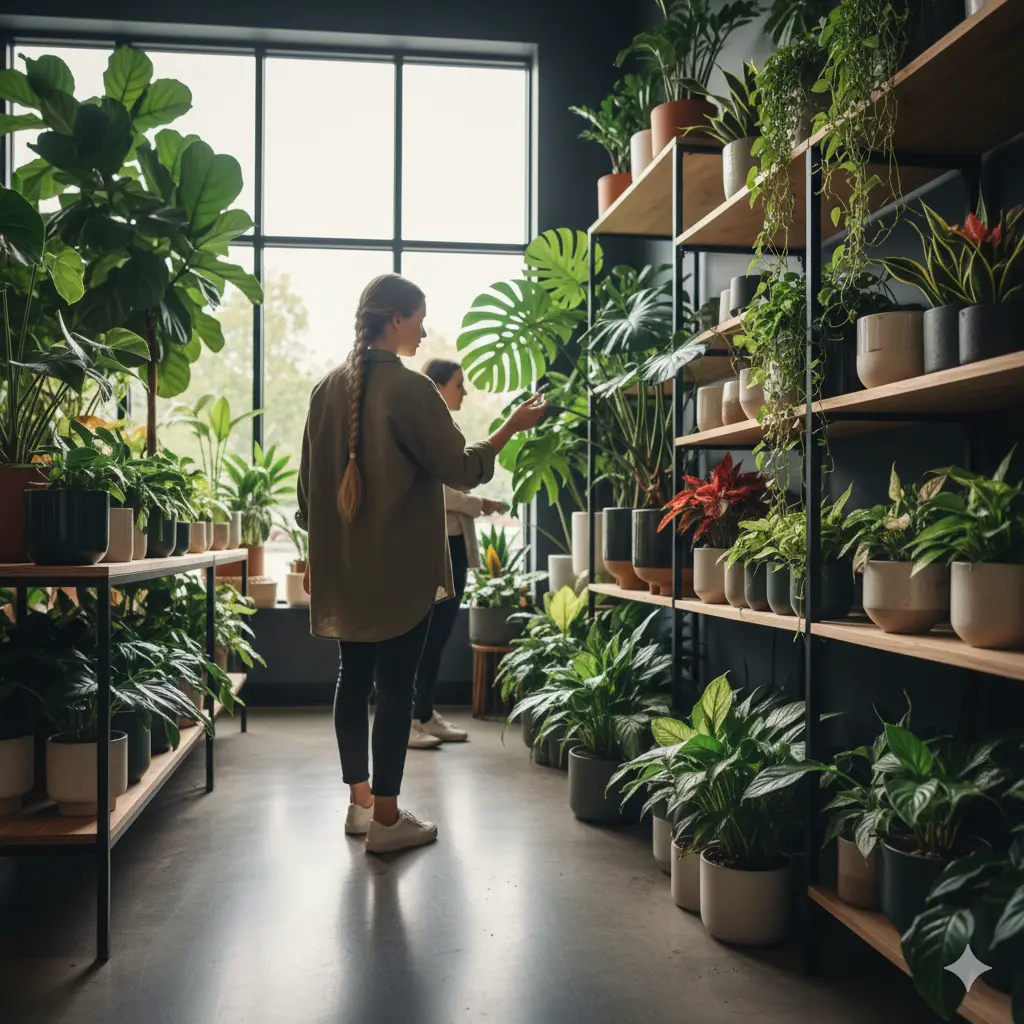
Selecting the right greenery for your situation matters. Here’s how to match plants to your needs:
Assess Your Light Conditions:
- Low light (north-facing windows): Snake plant, pothos, English ivy
- Medium light (east/west windows): Peace lily, Boston fern, spider plant
- Bright light (south-facing): Lavender, rosemary, gerbera daisy, aloe vera
Consider Your Space:
- Small apartments: Compact options like pothos, snake plant, aloe
- Large rooms: Tall specimens like bamboo palm, rubber plant
- Desks/tables: Chamomile, lavender, small succulents
Match Your Maintenance Style:
- Busy lifestyle: Snake plant, pothos, spider plant (water every 2-3 weeks)
- Attentive gardener: Boston fern, peace lily, jasmine (weekly care)
- Beginners: Common houseplants like rubber plant, spider plant
Pet Safety Matters: If you have cats or dogs, choose pet-friendly options:
- Spider plant
- Bamboo palm
- Boston fern
- Prayer plant (bonus option)
Avoid: English ivy, peace lily, aloe vera (toxic to pets)
Creating Your Plant Sanctuary
Transform your space into a stress-reducing oasis with these expert tips:
Room-by-Room Placement:
Bedroom: Snake plant, jasmine, lavender, gerbera daisy (night oxygen producers)
Living Room: Large specimens like rubber plant, bamboo palm (create focal points)
Bathroom: Boston fern, peace lily (love humidity)
Kitchen: Rosemary, chamomile, aloe vera (culinary and medicinal)
Home Office: Pothos, snake plant, spider plant (air purifiers that tolerate neglect during busy workdays)
Choosing the Right Containers:
According to research from Colorado State University Extension, proper containers are crucial for plant health and your stress levels (dead plants increase tension).
- Always use pots with drainage holes
- Saucers prevent water damage worries
- Size: 1-2 inches larger than root ball
- Material: Terracotta breathes, plastic retains moisture
Fertilizer Basics:
The Journal of Plant Nutrition confirms that properly fed plants grow faster and look healthier, providing better mental health benefits.
- Use balanced liquid fertilizer (10-10-10)
- Feed during growing season (spring/summer)
- Half-strength every 2-4 weeks
- Reduce or stop in fall/winter
Watering for Stress-Free Care:
Overwatering kills more plants than anything else. Create a simple schedule:
- Monday: Check all plants by touching soil
- Water only those with dry top inch
- Bottom water for even moisture
- Group plants with similar needs
Common Mistakes That Increase Stress
Avoid these pitfalls that can turn your calming plants into tension sources:
Overwatering: The #1 plant killer. Most houseplants prefer slightly dry over soggy. Stick your finger 1-2 inches into soil if it’s wet, wait.
Wrong Lighting: A sun-loving lavender in a dark corner will slowly die, increasing your stress. Match plant needs to your available light.
Neglecting Fertilizer: Plants in containers need regular feeding. Without nutrients, they become pale and weak, triggering worry.
Choosing High-Maintenance Options: If you’re busy and stressed, avoid fussy plants. Stick with varieties that forgive mistakes.
Ignoring Pet Safety: Emergency vet visits increase tension. Research whether plants are pet-safe before bringing them home.
Beyond Plants: Building a Mental Health Routine
Maximize your stress reduction by integrating plant care into your wellness routine:
Morning Mindfulness: Spend 5 minutes checking plants, watering, and observing new growth. Research from the University of Westminster shows morning plant interaction reduces nervous tension for up to 8 hours.
Touch Therapy: Gently touch leaves (rosemary, lavender, mint). Studies in the HortTechnology journal prove tactile plant interaction lowers blood pressure within minutes.
Progress Tracking: Photograph plants monthly. Visual progress combats negative thought patterns. Research confirms documenting growth increases optimism.
Propagation Projects: Share plant babies with friends. Social connections through plants reduce isolation, a major stress trigger according to the American Journal of Psychiatry.
Green Breathing Exercises: Practice deep breathing while near plants. The Journal of Alternative and Complementary Medicine found combining plant exposure with breathwork doubles stress reduction.
FAQs About Calming Plants for Anxiety
What are the best plants for beginners with stress?
Snake plant, pothos, and spider plant top the list. These common houseplants tolerate neglect, various light conditions, and irregular watering perfect when tension makes routine challenging. Research from Michigan State University confirms low-maintenance plants provide mental health benefits without added stress.
Can low light plants still reduce tension?
Absolutely! Dim-light options like pothos, snake plant, and English ivy purify air and provide visual calm regardless of light levels. A study in the Journal of Environmental Psychology found the stress-reducing benefits of plants remain consistent across lighting conditions.
How many plants do I need for stress relief?
NASA recommends one plant per 100 square feet for air purification. For mental health, University of Exeter research suggests 3-5 plants in your main living space significantly reduce nervous symptoms. Start with 2-3 easy options and expand as confidence grows.
Are all common houseplants safe for mental health?
Most common houseplants are safe, but some like English ivy and peace lily are toxic if ingested. Choose pet-friendly options like spider plants and Boston ferns if you have animals. Plant-related emergencies increase tension, so prevention matters.
What’s the best fertilizer for stress-relief plants?
Use balanced, water-soluble fertilizer (10-10-10) at half strength. Jack’s Classic, Miracle-Gro, or organic fish emulsion all work well. The Journal of Environmental Horticulture confirms properly fertilized plants grow 40% faster, providing quicker mental health benefits.
Start Your Plant Journey Today
You now have everything you need to harness the power of calming plants for anxiety relief. The science is clear: plants reduce stress, purify air, and improve mental health naturally. Whether you choose the foolproof pothos, soothing lavender, or air-purifying snake plant, you’re taking an important step toward better mental wellness.
Your Action Plan:
- Choose 2-3 plants matching your light and maintenance style
- Get proper containers with drainage
- Set a simple watering schedule
- Purchase quality fertilizer
- Create a morning plant-check routine
Remember, caring for plants is caring for yourself. Each watered leaf, each new sprout, each deep breath near your green friends is an act of self-compassion that fights tension naturally.
Ready to transform your space? Start with one plant today. Your calmer, greener future begins with a single calming plant for anxiety. Which one will you choose first?
Scientific Sources Referenced:
- Anxiety and Depression Association of America (prevalence statistics)
- Journal of Physiological Anthropology (plant interaction stress reduction)
- NASA Clean Air Study (air purification data)
- Journal of Environmental Psychology (stress reduction statistics)
- Texas A&M University (parasympathetic nervous system response)
- Journal of Health Psychology (cortisol reduction)
- Frontiers in Behavioral Neuroscience (lavender effects)
- Mental Health Clinician (lavender aromatherapy study)
- Journal of the National Institute of Environmental Health Sciences (toxin removal)
- University of Georgia (mold spore reduction)
- International Journal of Environmental Research and Public Health (aloe vera benefits)
- Rutgers University (social connection study)
- European Journal of Applied Physiology (jasmine sleep quality)
- Wheeling Jesuit University (jasmine alertness study)
- Molecular Medicine Reports (chamomile GAD treatment)
- American College of Allergy, Asthma, and Immunology (mold reduction)
- Journal of Environmental Horticulture (large plant benefits, fertilization)
- University of Technology Sydney (workplace study)
- Therapeutic Advances in Psychopharmacology (rosemary research)
- Color Research and Application (color therapy)
- American Society for Horticultural Science (humidity levels)
- University of Hyogo (blood pressure reduction)
- Colorado State University Extension (container gardening)
- Journal of Plant Nutrition (fertilization benefits)
- University of Westminster (morning interaction benefits)
- HortTechnology (tactile interaction research)
- American Journal of Psychiatry (social connection importance)
- Michigan State University (low-maintenance plant benefits)
- University of Exeter (optimal plant numbers)