Horticultural Therapy Made Simple: Grow Wellness, Heal Your Mind

10 Powerful Medicinal Plants for Home Wellness


Table of Contents
Introduction
Medicinal plants are no longer reserved for outdoor gardens or specialized herbalists. Today, growing your own indoor therapeutic garden with powerful Therapeutic plants is not only accessible but essential for anyone seeking natural Health solutions. If you’ve already discovered our guide to 5 essential plants for a natural home pharmacy, this article introduces 10 complementary Therapeutic plants specifically selected to thrive in indoor environments.
Cultivating Medicinal herbs at home delivers dual benefits: the therapeutic act of gardening itself reduces stress and anxiety, while the natural healing properties of these plants support your daily health needs. These best herbs for mental health transform any living space into a personal mindfulness sanctuary.
Plants for Mental Wellness and Sleep
1. Holy Basil (Tulsi): The Indoor Adaptogen
Holy basil, revered for millennia in Ayurvedic medicine, adapts perfectly to indoor cultivation. This exceptional plant helps the body manage stress through its adaptogenic properties.
Indoor cultivation:
- Light: Sunny (6 hours minimum)
- Watering: Moderate, slightly moist soil
- Temperature: 64-77°F (18-25°C)
Uses:
- Infusion of fresh or dried leaves (2-3 times/day)
- Add to salads for a daily boost
- Aromatic inhalation to calm the mind
Therapeutic benefit: Tulsi supports the body’s natural response to chronic stress, promoting balanced mental health without sedative effects.
2. Lemon Balm: The Gentle Soother
Lemon balm, with its delicate citrus fragrance, is recognized for supporting anxious states and sleep disturbances. This easy-to-grow plant thrives vigorously in containers.
Indoor cultivation:
- Light: Partial shade to indirect light
- Watering: Regular, keep soil fresh
- Temperature: 59-72°F (15-22°C)
Uses:
- Evening infusion (1 tablespoon fresh leaves)
- Add to bath water for relaxation
- Oil macerate for soothing massages
Therapeutic benefit: Lemon balm promotes restorative sleep and helps calm nervous tension, an essential component of good mental health.
Plants for Immunity and Respiration
3. Thyme: The Respiratory Protector
Common thyme is a versatile medicinal plant, particularly valued for supporting respiratory function. Compact and aromatic, it flourishes in a pot on a windowsill.
Indoor cultivation:
- Light: Full sun (south-facing ideal)
- Watering: Low, let dry between waterings
- Temperature: 59-75°F (15-24°C)
Uses:
- Infusion for respiratory discomfort
- Steam inhalation to clear airways
- Daily culinary use
Therapeutic benefit: Thyme contains thymol, a natural compound that supports the respiratory system and has recognized antiseptic properties.
4. Oregano: The Powerful Antibacterial
Oregano is more than a culinary herb. This robust plant offers remarkable natural antibacterial properties and grows easily indoors.
Indoor cultivation:
- Light: Sunny (6-8 hours)
- Watering: Moderate, avoid excess water
- Temperature: 64-75°F (18-24°C)
Uses:
- Concentrated infusion (gargle)
- Diluted oregano oil (external use)
- Fresh in daily meals
Therapeutic benefit: Oregano contains carvacrol, a natural substance that supports the body’s defenses.
Plants for Daily Vitality
5. Rosemary: Concentration Stimulant
Rosemary, a symbol of memory since antiquity, naturally stimulates concentration. Its invigorating fragrance transforms your space into an environment conducive to mental focus.
Indoor cultivation:
- Light: Very sunny
- Watering: Low to moderate
- Temperature: 59-77°F (15-25°C)
Uses:
- Morning infusion to stimulate alertness
- Aromatic diffusion during work
- Addition to Mediterranean dishes
Therapeutic benefit: Rosemary promotes cerebral circulation and supports cognitive functions, contributing to optimal mental health.
6. Parsley: The Vitality Source
Parsley, often underestimated, is a nutrient concentrate. This perennial plant is packed with vitamins A, C, K, and essential minerals.
Indoor cultivation:
- Light: Bright indirect light
- Watering: Regular, constantly moist soil
- Temperature: 61-72°F (16-22°C)
Uses:
- Detoxifying green juice (smoothies)
- Daily fresh consumption
- Seed infusion for digestion
Therapeutic benefit: Parsley naturally supports the body’s elimination functions and provides exceptional nutritional density.
7. Stevia: Natural Sweetness
Stevia offers a natural alternative to refined sugar. This tropical plant adapts well to container cultivation and supports balanced nutrition.
Indoor cultivation:
- Light: Very bright without burning direct sun
- Watering: Regular, moist but drained soil
- Temperature: 68-82°F (20-28°C)
Uses:
- Fresh leaves in herbal teas
- Dried leaf powder as sweetener
- Concentrated liquid infusion
Therapeutic benefit: Stevia allows reduced refined sugar consumption, promoting natural glycemic balance.
Versatile Bonus Plants
8. Sage: Memory and Digestion
Garden sage combines cognitive and digestive benefits. Its silvery foliage adds a decorative touch to your indoor therapeutic garden.
Primary use: Post-meal infusion or to stimulate mental clarity.
9. Lemongrass: The Aromatic Repellent
Beyond its natural insect-repelling action, lemongrass offers digestive and calming properties when infused.
Primary use: Fresh leaves in tea or to naturally scent your interior.
10. Calendula: The Skin Repairer
Pot marigold (calendula) produces magnificent orange flowers with soothing properties for the skin. Perfect in a bright container.
Primary use: Flower oil macerate for natural skin care.
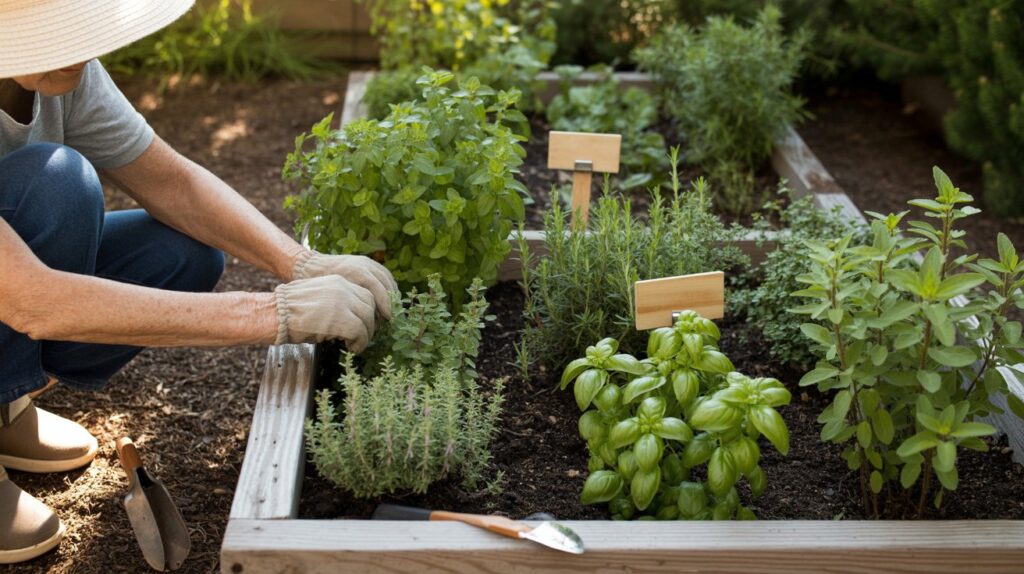
Creating Your Indoor Therapeutic Garden: Practical Tips
Optimal location: Choose south or west-facing windows for Mediterranean plants (rosemary, thyme, oregano) and east or north-facing for plants preferring less direct sun (lemon balm, parsley).
The right substrate: Use quality draining potting soil. Add 20% perlite for Mediterranean plants that hate stagnant moisture.
Smart watering: Most failures come from excess water. Always check soil moisture before watering. A finger inserted 1-2 inches effectively tells you what you need to know.
Psychological benefits: Growing these best herbs for mental health offers a daily meditative practice. Observing growth, regular care, and connecting with living things significantly reduces cortisol levels (stress hormone).
🎁 Contact Us for Your Complete E-book
This article has given you an overview of the possibilities. To go further in your horticultural therapy practice, contact us to receive your free complete e-book:
✅ 10 detailed printable sheets (one per plant)
✅ Personalized annual maintenance calendar
✅ Step-by-step recipes and preparations
✅ Comparative table of cultivation needs
✅ Solutions to common problems (pests, diseases)
✅ Complete shopping list (materials, tools)
Contact Us Now – Get Your Free E-book
Fill out our simple contact form and receive your comprehensive indoor therapeutic garden guide directly in your inbox within 24 hours. Join our community of mindful gardeners and receive exclusive tips, seasonal advice, and special offers!
Conclusion
Your indoor therapeutic garden represents much more than simple plant decoration. It’s a daily investment in your mental health and physical wellbeing. These 10 Healing herbs, complementary to our selection of 5 essentials, offer you valuable autonomy to care for yourself naturally.
Start with 2-3 plants that resonate with your current needs. Horticultural therapy is a progressive journey, not a race. Observe, learn, adjust. Your living space will gradually become a living sanctuary that nourishes your health every season.
Which will be your first plant to start your indoor therapeutic garden?
RESOURCES
National Institutes of Health (NIH) – NCBI
Nature Scientific Reports – Horticultural Therapy Study
PubMed Central (PMC) – Meta-Analysis