Horticultural Therapy Made Simple: Grow Wellness, Heal Your Mind

Stop Confusing Them! Tea vs Infusion: The Ultimate Guide to Hidden Risks
Table of Contents
Tea vs Herbal Tea vs Infusion: What’s the Difference?
“Is chamomile tea actually tea?”
If you’ve ever wondered about this, you’re far from alone. Hundreds of people ask this exact question every day and it’s just one of countless questions about tea, herbal tea, and infusions that leave people scratching their heads.
Maybe you’ve stood in the tea aisle, reading labels and thinking: “If this is peppermint ‘tea’ and this is green ‘tea,’ why do they look and taste completely different?” Or perhaps you’re researching what to grow in your garden and wondering whether chamomile counts as “real” tea.
The confusion makes perfect sense. Walk into any café and you’ll see “tea” used for everything from traditional black tea to peppermint, chamomile, and rooibos. But here’s what most people don’t realize: botanically speaking, most of these aren‘t tea at all.
So what’s the real difference? And more importantly why should you care when deciding what to grow or what to drink for your health?
In this article, we’ll answer the questions you’re asking most often about tea, herbal tea, and infusions backed by scientific research, not marketing claims. We’ll explore what peer-reviewed studies reveal about:
✓ What makes tea “tea” from a botanical perspective
✓ Why your chamomile “tea” isn’t technically tea (and what to call it instead)
✓ Which health benefits have clinical evidence behind them
✓ The honest truth about growing tea at home vs easier alternatives
✓ How to prepare each type to maximize beneficial compounds
✓ Safety concerns researchers have identified
✓ Real answers to your questions: “Can I grow green tea?” and “Do herbal teas work?”
No hype. No pseudoscience. Just research-backed information to help you make informed decisions about what to grow, what to buy, and how to prepare it properly.
Ready? Let’s start with the most fundamental question: What actually makes tea “tea”?
1. Tea: What Makes It “Tea”?
The Botanical Definition
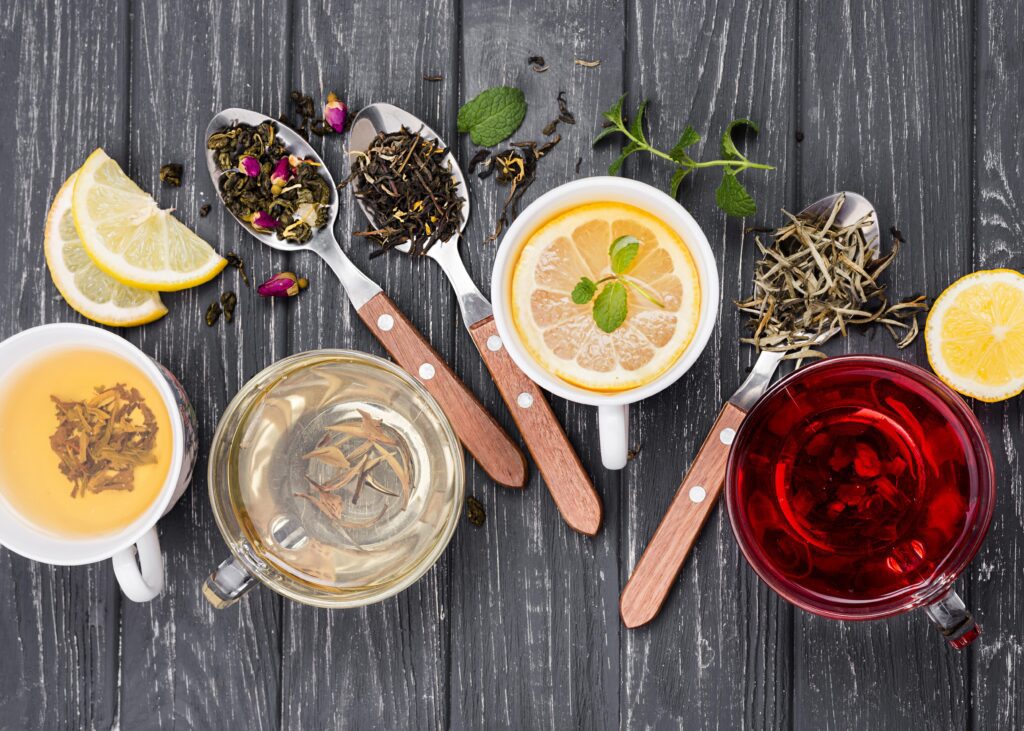
Here’s the simple truth: True tea comes from only one plant species: Camellia sinensis.
This evergreen shrub, native to East Asia, produces all the tea you know white, green, oolong, black, and pu-erh. The differences between these types don’t come from different plants. They come from how the leaves are processed after harvesting.
Scientific classification:
- Genus: Camellia
- Family: Theaceae
- Species: Camellia sinensis
There are two main varieties: C. sinensis var. sinensis (Chinese tea, smaller leaves) and C. sinensis var. assamica (Assamese tea, larger leaves). Both produce what we call “tea.”
Why is green tea considered beneficial?
What research actually shows:
Green tea contains unique compounds not found together in other plants. The two most studied are catechins (especially EGCG) and L-theanine.
1. EGCG (Epigallocatechin Gallate)
This powerful catechin has been extensively studied for its antioxidant properties. A meta-analysis of 13 randomized controlled trials published in the American Journal of Clinical Nutrition found that green tea consumption was associated with reduced LDL cholesterol levels an average decrease of 7.2 mg/dL.
The antioxidant capacity of green tea is substantial. According to the USDA Database for Oxygen Radical Absorbance Capacity, green tea has an ORAC (Oxygen Radical Absorbance Capacity) value of 1,253 μmol TE/100g higher than most fruits and vegetables.
2. L-Theanine and Caffeine Synergy
Green tea contains both caffeine (25-50 mg per cup) and L-theanine, an amino acid rarely found in other plants. Research published in Nutritional Neuroscience demonstrates that this combination improves cognitive performance and mood better than either compound alone.
The mechanism? L-theanine promotes alpha brain wave activity (associated with relaxed alertness) while caffeine enhances focus. A study in Biological Psychology found this creates what researchers call “calm alertness” focus without jitters.
What this means for you:
Green tea’s benefits are real and well-documented. However, as we’ll explore, achieving similar benefits doesn’t require struggling to grow Camellia sinensis in unsuitable climates.
Can you grow green tea at home?
The realistic answer:
Technically yes but practically, it’s challenging for most people.
Growing requirements:
Camellia sinensis needs very specific conditions:
- Climate zones: USDA hardiness zones 7-9 (limited geographic range)
- Temperature: 15-30°C (59-86°F) optimal growing range
- Humidity: 60-80% relative humidity (difficult to maintain indoors)
- Soil pH: 4.5-6.0 (highly acidic most garden soil is 6.5-7.0)
- Time commitment: 3-5 years from planting to first harvest
- Processing knowledge: Requires withering, heat treatment, rolling, and drying
Research on home cultivation:
A study by Texas A&M AgriLife Extension noted that even in suitable climates, home tea cultivation requires significant expertise. The processing stage which determines whether leaves become green, oolong, or black tea involves precise timing and temperature control.
Who can realistically grow it:
✅ Southeastern United States (parts of Georgia, South Carolina, Alabama)
✅ Pacific Northwest coast (mild, humid areas of Oregon and Washington)
✅ United Kingdom (Cornwall, Devon where commercial tea is now grown)
🟡 Container growing possible but requires dedicated climate control
❌ Most apartments, condos, or regions outside zones 7-9
Bottom line for you:
Unless you live in zones 7-9 with outdoor space and 3-5 years of patience, your energy is better invested in therapeutic herbs that deliver results within weeks.
→ We’ll explore these easier alternatives in the next section.
Is green tea better than coffee?
What science reveals:
It’s not “better” it’s different. Your choice should depend on your individual needs and sensitivity.
The comparison:
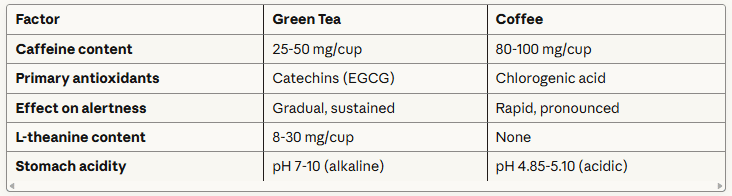
Research published in Biological Psychology found that green tea’s L-theanine moderates caffeine’s stimulating effects, producing “relaxed alertness” rather than the jittery energy some experience with coffee.
What this means for you:
Choose based on your goals: sustained focus without anxiety (green tea) or quick energy boost (coffee). Neither is universally “superior.”
2. Herbal Tea: The Tisane Truth
The Proper Terminology
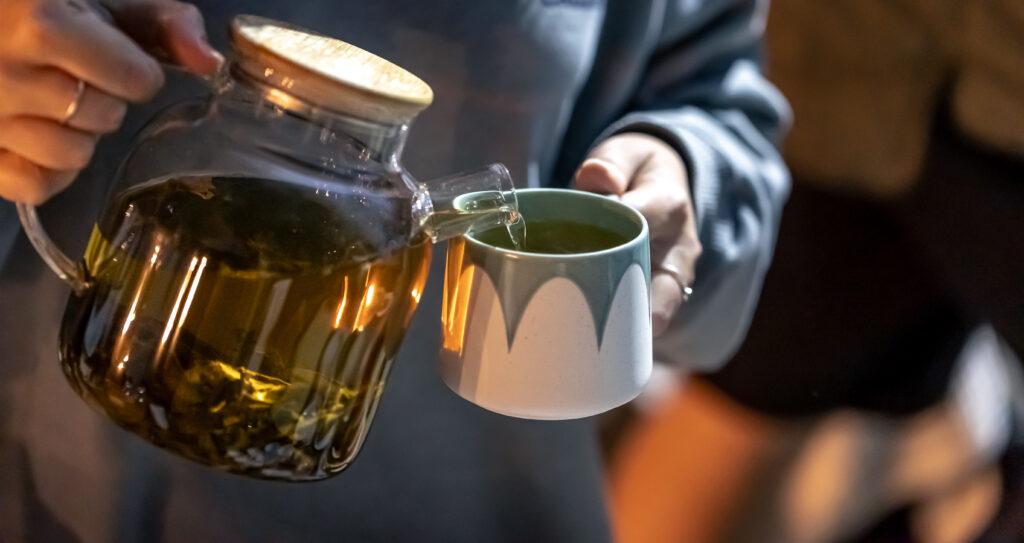
Here’s something that surprises most people: “herbal tea” is technically a misnomer.
The proper botanical terms are:
- Tisane (pronounced tee-ZAN, from French)
- Herbal infusion
- Botanical infusion
Why the distinction matters:
Since “tea” specifically refers to Camellia sinensis, calling chamomile or peppermint “tea” is botanically incorrect. It’s like calling almond milk “milk” widely accepted in common usage but technically inaccurate.
However, “herbal tea” is so universally understood that even scientific papers use the term. We’ll use it here with this clarification.
Does herbal tea contain caffeine?
The answer: Usually no but with important exceptions.
Naturally caffeine-free herbal infusions include:
✅ Chamomile, peppermint, ginger, rooibos, hibiscus, lemon balm, lavender, fennel, and hundreds of other botanical infusions.
Herbal infusions that DO contain caffeine:
⚠️ Yerba mate (Ilex paraguariensis): 30-50 mg per cup
⚠️ Guayusa (Ilex guayusa): 50-90 mg per cup
⚠️ Guarana (Paullinia cupana): 40-80 mg per cup
⚠️ Yaupon (Ilex vomitoria): 15-30 mg per cup native to southeastern US
Why this matters for you:
If you’re drinking herbal tea specifically to avoid caffeine for pregnancy, sleep quality, or anxiety management always verify your ingredients.
Are herbal teas effective, or is it placebo?
What clinical research proves:
Multiple herbs have substantial scientific backing. Here are three with particularly strong evidence:
1. Peppermint (Mentha × piperita)
Studied for: Digestive discomfort, particularly IBS (Irritable Bowel Syndrome)
A Cochrane systematic review of 12 randomized controlled trials found peppermint oil significantly reduced IBS symptom severity. The active compound, menthol, acts as an antispasmodic by relaxing smooth muscle in the gastrointestinal tract.
Growing reality: ✅ Extremely easy thrives in containers, nearly impossible to kill, produces abundantly.
2. Ginger (Zingiber officinale)
Studied for: Nausea (pregnancy-related, chemotherapy-induced, motion sickness)
A meta-analysis published in Nutrition Journal analyzed multiple studies and found ginger reduced nausea severity by approximately 37%. The mechanism involves gingerols and shogaols affecting serotonin receptors in the gut and brain.
Growing reality: 🟡 Moderate can grow in containers indoors, prefers warmth, harvest in 8-10 months.
3. Chamomile (Matricaria chamomilla)
Studied for: Anxiety and sleep quality
Research published in Phytomedicine found chamomile extract significantly reduced scores on the GAD-7 (Generalized Anxiety Disorder) assessment. The active compound, apigenin, binds to benzodiazepine receptors in the brain the same receptors targeted by anti-anxiety medications (though with much milder effects).
Growing reality: ✅ Easy annual plant, grows readily from seed, flowers in 8-10 weeks.
The verdict:
These aren’t placebo effects. However, herbal teas typically produce mild to moderate effects they’re supportive wellness tools, not pharmaceutical replacements.
What herbs can you grow for tea?
Rather than duplicate information, we’ve created a comprehensive resource covering the 10 most powerful medicinal plants with:
- Clinical research supporting each plant’s benefits
- Exact growing requirements and difficulty ratings
- Harvesting techniques and preparation methods
- Specific therapeutic applications
Read our complete guide: 10 Powerful Medicinal Plants for Home Wellness →
Quick decision framework:
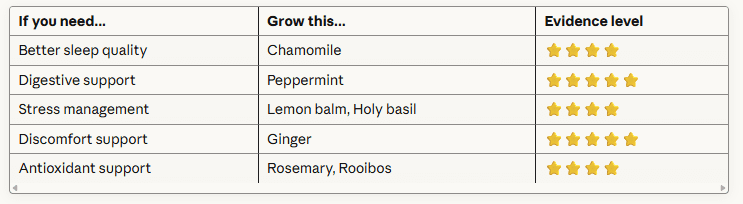
Why these specifically?
✅ Each has at least 3 peer-reviewed studies
✅ All are beginner-friendly
✅ All grow successfully in containers
✅ All produce multiple harvests per season
✅ All are significantly easier than growing Camellia sinensis
3. Infusion: The Science of Extraction
What Is an Infusion?
The chemistry definition:
An infusion is the extraction of water-soluble compounds from plant material using a solvent typically hot water.
What actually happens during infusion:
- Heat energy breaks down plant cell walls
- Beneficial compounds diffuse from high concentration (inside plant cells) to low concentration (water)
- Different compounds extract at different rates based on their solubility
Why this matters to you:
Understanding extraction science helps you maximize therapeutic compounds in every cup. The wrong temperature or timing means you’re literally pouring beneficial compounds down the drain.
How long should you infuse tea or herbal tea?
The research-based answer: It depends on what you’re infusing.
Different plant materials require different extraction times and temperatures for optimal compound release.
Green Tea (Camellia sinensis)
Optimal: 2-3 minutes at 70-80°C (160-175°F)
Why: Research published in the Journal of Agricultural and Food Chemistry showed that catechin (EGCG) extraction peaks at 3 minutes in 80°C water. Beyond this, bitter tannins dominate without increasing beneficial compounds.
Recommendation for you: Use water that’s been boiled and cooled for 3-4 minutes, steep for 2-3 minutes maximum.
Peppermint
Optimal: 5-7 minutes at 90-100°C (195-212°F)
Why: Menthol the active compound is heat-stable and requires longer extraction. Essential oils are volatile, so cover while steeping to prevent loss through evaporation.
Recommendation for you: Use freshly boiled water, cover your cup, steep 5-7 minutes for maximum menthol content.
Chamomile
Optimal: 5-10 minutes at 90-95°C (195-203°F)
Why: Studies show apigenin (the calming compound) needs 5-10 minutes for complete extraction. Like peppermint, covering prevents volatile oil loss.
Recommendation for you: Use near-boiling water, always cover while steeping, aim for 10 minutes for maximum apigenin.
Ginger Root
Optimal: 10-15 minutes of simmering (this is decoction, not infusion)
Why: Gingerols are locked in tough root tissue. A study in Food Chemistry found that simmering releases significantly more bioactive compounds than simple steeping.
Recommendation for you: Add thinly sliced fresh ginger to boiling water, reduce to simmer, extract for 10-15 minutes.
General principle:
Delicate materials (flowers, tender leaves) → 3-7 minutes → 80-90°C Standard leaves (mint, lemon balm) → 5-10 minutes → 90-100°C Tough materials (roots, bark, seeds) → 15-30 minutes → Simmering
Can you reuse tea leaves?
The research-backed answer:
Yes for quality loose-leaf tea; not recommended for herbal infusions.
The science:
A study by Chen et al. analyzed polyphenol extraction across multiple infusions:
- 1st infusion: 65% of total polyphenols extracted
- 2nd infusion: 25% extracted
- 3rd infusion: 8% extracted
- 4th infusion: 2% extracted
What this means for you:
High-quality green or white tea can be re-infused 2-3 times with diminishing but present benefits. However, most herbal materials release compounds in the first infusion.
Practical recommendation: Fresh herbs from your garden are abundant reinfusion is more relevant for expensive purchased teas where you want maximum value.
Should you use fresh or dried herbs for tea?
The scientific comparison:
Concentration difference:
Dried herbs are approximately 3-4 times more concentrated than fresh (water has been removed).
Recipe conversion: 1 teaspoon dried = 3 teaspoons fresh (roughly)
Compound stability:
Volatile compounds (essential oils):
- Fresh: Maximum content, but degrade within hours of harvest
- Properly dried: Research shows 70-85% retention if dried quickly at low temperatures (<35°C) and stored properly
Polyphenols and flavonoids:
- Fresh: Peak levels immediately after harvest
- Dried: Stable and sometimes more concentrated per gram
A study in the Journal of Food Science found that properly dried peppermint retained 85% of its menthol content for 6 months when stored in airtight containers away from light.
When to use each:
Use fresh when:
- ✅ You just harvested (peak freshness window is 1-2 hours)
- ✅ You want delicate, subtle flavor profiles
- ✅ Working with highly aromatic herbs like basil or mint
Use dried when:
- ✅ Storing for winter or off-season use
- ✅ You want concentrated, robust flavor
- ✅ Convenience matters (always accessible)
- ✅ Shelf stability (6-12 months when properly stored)
Research-backed drying method:
Studies show hanging herbs in a dark, dry location at <35°C (95°F) preserves 90%+ of therapeutic compounds, compared to sun-drying which preserves only 60-70%.
4. Safety Considerations
Can green tea cause kidney stones?
What research actually shows:
Green tea contains oxalates, which can contribute to calcium oxalate kidney stones in susceptible individuals.
The evidence:
Green tea contains approximately 4.68 mg of oxalates per cup (moderate level). For comparison, spinach contains 750 mg per cup and rhubarb 860 mg per cup—dramatically higher.
More importantly, a large-scale study of 81,093 women published in the American Journal of Epidemiology found that green tea consumption was not associated with increased kidney stone risk.
What this means for you:
Unless you have a documented history of oxalate kidney stones or consume more than 5 cups daily, the risk is minimal.
⚠️ If you have kidney concerns, consult your healthcare provider before making dietary changes.
Why does green tea cause nausea for some people?
Research-identified causes:
1. Tannin content on empty stomach
Tannins in green tea stimulate gastric acid production. When consumed without food, this can cause discomfort in sensitive individuals.
Solution: Drink green tea with or after meals.
2. Caffeine sensitivity
Some people metabolize caffeine slowly due to genetic variations in the CYP1A2 gene. Research in Pharmacogenetics and Genomics shows approximately 50% of people are “slow metabolizers.”
Solution: Try decaffeinated green tea or switch to caffeine-free herbal options.
3. Over-extraction
Water that’s too hot (>85°C) or steeping beyond 3 minutes increases tannin extraction dramatically.
Solution: Use 70-80°C water, steep maximum 2-3 minutes.
A clinical survey found approximately 12% of green tea drinkers experience mild gastrointestinal discomfort, primarily when consumed on an empty stomach.
Can you drink too much herbal tea?
The balanced answer:
While most herbal teas are safe in moderation, some require caution.
Generally safe (3-5 cups daily):
✅ Chamomile, peppermint, lemon balm, ginger (culinary amounts), rooibos, hibiscus
Herbs requiring caution:
⚠️ Licorice root: Can elevate blood pressure if consumed in excess (>3 cups daily). Research in Hypertension shows glycyrrhizin affects mineral balance.
⚠️ Senna: Natural laxative—not appropriate for daily use; may cause dependency.
⚠️ Comfrey: Contains pyrrolizidine alkaloids that can damage the liver. Many countries now restrict its sale.
⚠️ IMPORTANT DISCLAIMER:
This information is educational only and does not constitute medical advice. If you:
- Are pregnant or nursing
- Take prescription medications
- Have diagnosed medical conditions
- Are considering therapeutic amounts of any herb
→ Consult a qualified healthcare provider first.
Drug interactions are real:
- St. John’s Wort interacts with many medications including birth control and antidepressants
- Ginkgo affects blood clotting
- Grapefruit (often in herbal blends) interferes with numerous medications
5. Practical Takeaways: What Should You Actually Do?
The Question-Driven Decision Framework
Start here: What’s your primary goal?
Goal: Maximum antioxidant support
→ Best choice: Green tea has the most extensive research
→ Growing reality: Challenging requires zones 7-9, 3-5 years
→ Easier alternative: Holy basil or rosemary (strong evidence, easy to grow)
Goal: Better sleep quality
→ Best choice: Chamomile (strong clinical evidence)
→ Growing reality: ✅ Very easy grows from seed in 8-10 weeks
→ Preparation: 10-minute covered infusion, 30-60 minutes before bed
Goal: Digestive support
→ Best choice: Peppermint (Cochrane-review evidence)
→ Growing reality: ✅ Extremely easy thrives in containers
→ Preparation: 5-7 minute covered infusion after meals
Goal: Stress management support
→ Best choice: Lemon balm or holy basil (good evidence)
→ Growing reality: ✅ Easy both grow vigorously in containers
→ Preparation: Fresh leaves ideal, 7-10 minute infusion
Goal: Can’t grow plants (apartment, limited light)
→ Focus on: Purchasing organic, research-backed herbs
→ Priority: Master proper preparation technique
→ Remember: Correct infusion methods matter more than plant source
If You Can Only Start With ONE Thing
We recommend: Grow peppermint
Why specifically peppermint?
✅ Hardest plant to kill thrives with minimal care
✅ Cochrane-level clinical evidence (gold standard)
✅ Multiple applications (digestive support, mental clarity, fresh flavor)
✅ Produces abundantly year-round in many climates
✅ Perfect for containers (actually grows better when contained)
✅ Success builds confidence for expanding your garden
Conclusion
We’ve explored the science behind the 20+ most-asked questions about tea, herbal tea, and infusions. Here’s what the research tells us:
The fundamentals:
- Tea = Camellia sinensis only (excellent research, challenging to grow)
- Herbal tea = all other plants (diverse benefits, much easier to grow)
- Infusion = the extraction method (technique significantly affects results)
The evidence:
Both tea and herbal teas have legitimate, research-backed therapeutic properties. The choice isn’t about superiority it’s about accessibility, your specific needs, and creating sustainable wellness practices.
The horticultural therapy insight:
Research shows that successfully growing herbs offers more overall wellness benefits than struggling with plants unsuited to your climate. Achievement creates positive feedback loops that sustain healthy habits.
Your next steps:
- Choose based on evidence + your situation: Start with one well-researched herb you can successfully grow
- Master preparation technique: Temperature and timing directly affect beneficial compounds
- Build a sustainable ritual: Consistency matters more than perfection
- Observe and adjust: Pay attention to how different herbs affect you personally
Growing your own herbal tea garden is one of the most rewarding horticultural therapy practices you can start. You don’t need to grow true tea to enjoy profound benefits.
References
- Zheng, X. X., et al. (2011). “Green tea intake lowers fasting serum total and LDL cholesterol in adults.” American Journal of Clinical Nutrition, 94(2), 601-610. https://academic.oup.com/ajcn/article/94/2/601/4597944
- USDA Agricultural Research Service. “ORAC Database.” https://www.ars.usda.gov/ARSUserFiles/80400525/Data/ORAC/ORAC_R2.pdf
- Haskell, C. F., et al. (2008). “The effects of L-theanine and caffeine on cognitive performance and mood.” Nutritional Neuroscience, 11(4), 193-198. https://pubmed.ncbi.nlm.nih.gov/18681988/
- Nobre, A. C., et al. (2008). “L-theanine and caffeine in combination affect behavior and mood.” Biological Psychology, 77(2), 113-122. https://pubmed.ncbi.nlm.nih.gov/18006208/
- Texas A&M AgriLife Extension. “Camellia sinensis.” https://aggie-horticulture.tamu.edu/ornamentals/nativeshrubs/camelliasinensis.htm
- Khanna, R., et al. (2014). “Peppermint oil for the treatment of irritable bowel syndrome.” Cochrane Database of Systematic Reviews. https://www.cochranelibrary.com/cdsr/doi/10.1002/14651858.CD008685.pub2/full
- Viljoen, E., et al. (2014). “A systematic review of the effect and safety of ginger in the management of nausea.” Nutrition Journal, 13(20). https://nutritionj.biomedcentral.com/articles/10.1186/1475-2891-13-20
- Mao, J. J., et al. (2016). “Long-term chamomile therapy for anxiety.” Phytomedicine, 23(14), 1735-1742. https://pubmed.ncbi.nlm.nih.gov/27912875/
- Khokhar, S., & Magnusdottir, S. G. M. (2002). “Total phenol, catechin, and caffeine contents of teas.” Journal of Agricultural and Food Chemistry, 50(3), 565-570. https://pubs.acs.org/doi/10.1021/jf0201125
- An, B. J., et al. (2008). “Extraction of bioactive compounds from ginger.” Food Chemistry, 111(4), 1047-1051. https://www.sciencedirect.com/science/article/abs/pii/S0308814608001647
- Chen, Z. Y., et al. (2011). “Catechin content and antioxidant activity of tea infusions.” BMC Complementary Medicine and Therapies. https://www.ncbi.nlm.nih.gov/pmc/articles/PMC3123419/
- Díaz-Maroto, M. C., et al. (2002). “Volatile components and key odorants of fennel.” Journal of Agricultural and Food Chemistry, 50(17), 4820-4824. https://ift.onlinelibrary.wiley.com/doi/abs/10.1111/j.1365-2621.2009.02044.x
- Curhan, G. C., et al. (1998). “Beverage use and risk for kidney stones in women.” American Journal of Epidemiology, 147(10), 914-920. https://academic.oup.com/aje/article/147/10/914/124382
- Cornelis, M. C., et al. (2006). “Coffee,