Horticultural Therapy Made Simple: Grow Wellness, Heal Your Mind

Winter Depression? Most Don’t Know This Simple Fix

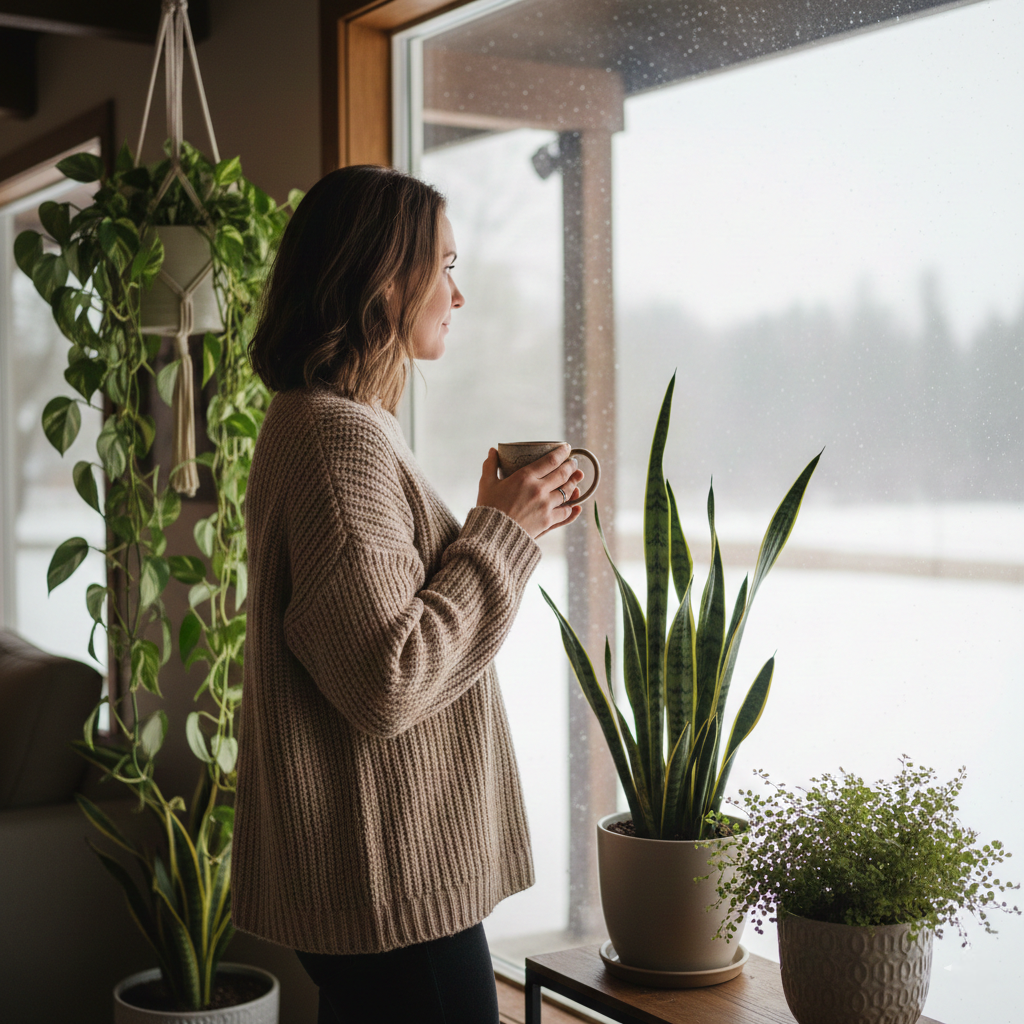
Table of Contents
Introduction
Winter Depression! When Winter Casts Its Long Shadow
As the days grow shorter and sunlight becomes scarce, millions of people experience the familiar weight of seasonal affective disorder (SAD) or the winter blues. The combination of reduced daylight, colder temperatures, and time spent indoors can significantly impact mental health, leaving many feeling lethargic, anxious, or depressed. However, nature offers a powerful antidote that’s accessible right in your own home: creating an indoor winter garden.
The concept of a “winter garden anti-blues” isn’t just poetic—it’s grounded in scientific research. Studies have demonstrated that bringing nature indoors through plants can substantially improve mental health, reduce stress, and create a sense of well-being that counteracts the effects of seasonal depression. By intentionally curating a collection of indoor plants and creating a dedicated green space, you can transform your home into a sanctuary that nurtures both body and mind throughout the challenging winter months.
This article explores the science behind how plants combat seasonal depression, guides you through creating your own winter garden, recommends the best plants for winter wellness, and provides practical maintenance tips that turn plant care into a therapeutic ritual.
The Science: How Plants Combat Seasonal Depression

Understanding Seasonal Affective Disorder (SAD)
easonal Affective Disorder affects approximately 5% of adults in the United States, with another 10-20% experiencing milder forms of winter depression. The condition is primarily linked to reduced exposure to natural sunlight, which disrupts the body’s internal clock and reduces serotonin production—a neurotransmitter crucial for mood regulation.
Traditional treatments include light therapy, medication, and psychotherapy. However, emerging research suggests that incorporating plants into indoor environments can serve as a complementary approach that addresses multiple aspects of SAD simultaneously.
The Stress-Reducing Power of Plants
Multiple peer-reviewed studies have confirmed that indoor plants significantly reduce stress levels. A groundbreaking study published in the Journal of Physiological Anthropology demonstrated that interacting with indoor plants can suppress autonomic nervous system activity and diastolic blood pressure, promoting physiological relaxation. Participants in the study showed lower stress responses when caring for plants compared to computer tasks.
Further research from the University of Reading found that owning and caring for houseplants can boost mental health by providing a sense of purpose and connection to nature. The study revealed that even brief interactions with plants can improve mood and reduce anxiety levels.
Biophilic Design and Mental Health
The concept of “biophilia”—the innate human tendency to seek connections with nature—forms the foundation of biophilic design. Research published in PMC (PubMed Central) has shown that biophilic interior design environments significantly enhance mental health and well-being. These studies indicate that spaces incorporating natural elements like plants reduce cortisol levels, improve cognitive function, and promote emotional restoration.
A comprehensive scoping review of epidemiological studies on indoor plants and mental health, published in Environmental Research, concluded that exposure to indoor plants is associated with reduced psychological stress, improved mood, and enhanced cognitive performance. The review analyzed multiple studies and found consistent evidence supporting the mental health benefits of indoor plants.
Air Quality and Its Impact on Well-Being
While the mental health benefits are profound, plants also contribute to physical health by improving indoor air quality. The landmark NASA study on foliage plants for improving indoor air quality demonstrated that certain plants can effectively remove volatile organic compounds (VOCs) from indoor environments. Better air quality correlates with improved cognitive function, reduced headaches, and enhanced overall well-being—factors that can alleviate symptoms of seasonal depression.
The Therapeutic Nature of Plant Care
Beyond their passive presence, the act of caring for plants offers therapeutic benefits. Research published in the Journal of Therapeutic Horticulture has shown that gardening and plant care activities can serve as effective interventions for depression and anxiety. The repetitive, mindful nature of watering, pruning, and observing plant growth provides a grounding experience that helps manage racing thoughts and promotes present-moment awareness.
Studies have also found that nurturing plants can foster a sense of responsibility and accomplishment, particularly valuable during winter months when outdoor activities are limited. This sense of purpose can counteract feelings of lethargy and hopelessness often associated with seasonal depression.
Creating Your Winter Garden Anti-Blues: Design and Setup
1-Choosing the Perfect Location
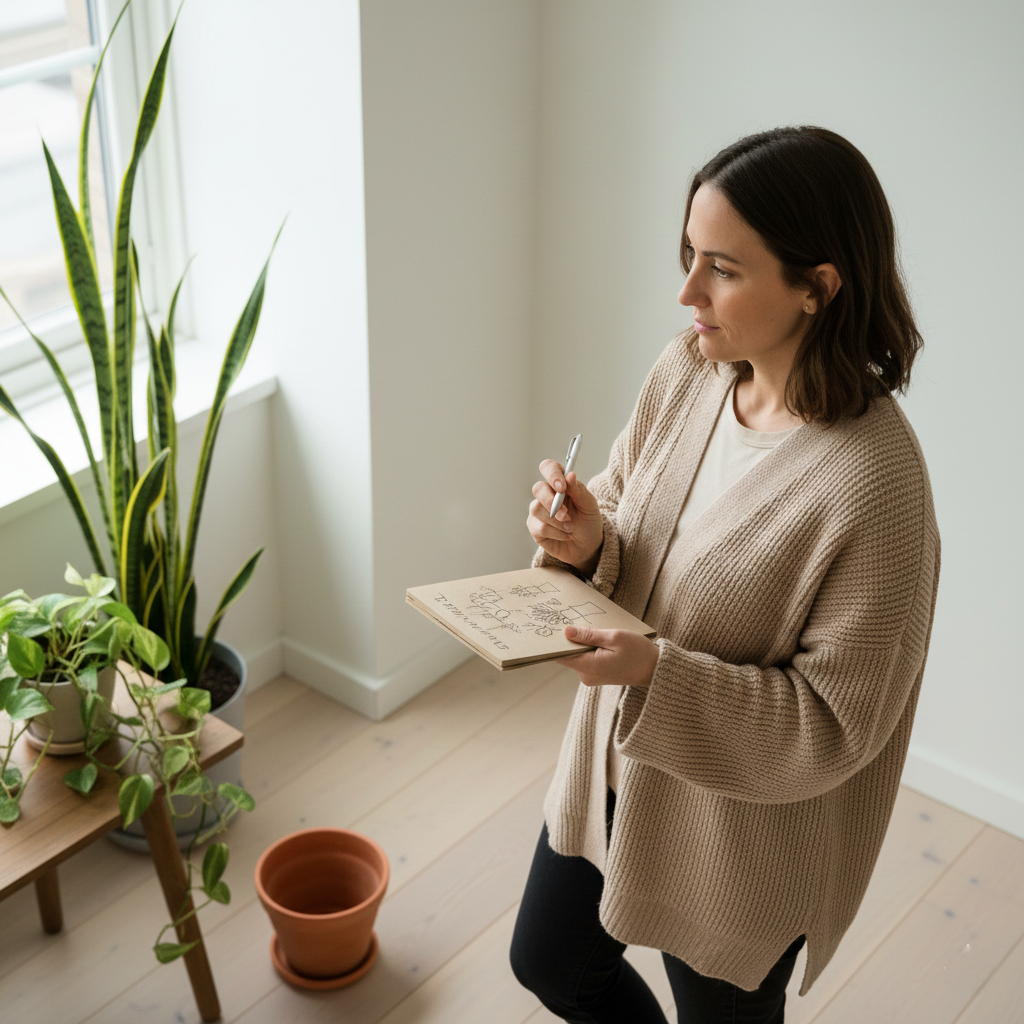
The foundation of an effective winter garden begins with strategic placement. Identify areas in your home that receive maximum natural light, typically south-facing windows in the Northern Hemisphere. However, don’t despair if your home lacks abundant natural light—many winter-appropriate plants thrive in lower-light conditions.
Consider creating multiple plant stations throughout your living space to maximize exposure and benefit. A small collection in the bedroom can greet you each morning, while a larger grouping in the living area provides continuous visual connection with nature throughout the day.
2-Optimizing Lighting Conditions
Since winter daylight is limited, supplementing natural light is crucial for both plant health and your own well-being. Grow lights with full-spectrum bulbs serve a dual purpose: they support plant growth during darker months and provide additional light therapy benefits for combating SAD.
When selecting grow lights, choose LED options that mimic natural sunlight spectrum. Position lights 6-12 inches above plants for optimal coverage, and set timers to provide 12-14 hours of light daily. This consistent lighting schedule helps regulate both plant cycles and your own circadian rhythm.
3-Temperature and Humidity Considerations
Winter heating systems often create dry, artificially warm environments that stress both plants and humans. Most indoor plants prefer temperatures between 65-75°F (18-24°C) during the day and slightly cooler temperatures at night. Avoid placing plants near heat vents, radiators, or drafty windows.
Maintain adequate humidity by grouping plants together (they create their own microclimate), using pebble trays with water beneath pots, or employing a small humidifier. Many plants, especially tropical varieties, thrive in 40-60% humidity levels. The increased humidity benefits both plants and can alleviate dry skin and respiratory issues often exacerbated by winter heating.
4-Container Selection and Aesthetics
Choose containers that not only serve functional purposes but also enhance the visual appeal of your winter garden. Natural materials like terracotta, ceramic, or wood provide aesthetic warmth while allowing proper drainage. Ensure all pots have drainage holes to prevent root rot.
Consider creating visual interest through varied heights and textures. Tall plants like snake plants or fiddle leaf figs can serve as vertical elements, while trailing plants like pothos or ivy add dimension. Group plants in odd numbers for more natural arrangements, and mix foliage colors and shapes for visual diversity.
The Winter Plant Stars: Best Species for Combating Seasonal Blues
1-Snake Plant (Sansevieria trifasciata)
The snake plant, also known as mother-in-law’s tongue, is an exceptional choice for winter gardens due to its remarkable resilience and air-purifying properties. NASA’s air quality study identified snake plants as effective removers of toxins like benzene, formaldehyde, and xylene from indoor air.
This architectural plant thrives in low-light conditions and requires minimal watering—perfect for winter when enthusiasm for plant care might wane. Its upright, sword-like leaves provide strong vertical interest and a sense of structure that can be grounding during chaotic winter months.
2-Pothos (Epipremnum aureum)
Often called devil’s ivy for its tenacity, pothos is virtually indestructible and incredibly forgiving of less-than-perfect care conditions. Research from Texas A&M University highlights how plants like pothos can significantly boost mental health by providing accessible greenery that’s easy to maintain.
Pothos excels at trailing gracefully from shelves or hanging baskets, creating cascading greenery that softens indoor spaces. Its heart-shaped leaves add organic warmth to winter interiors, and the plant readily propagates, allowing you to expand your garden effortlessly.
3-Peace Lily (Spathiphyllum)
The peace lily offers the dual benefit of beautiful foliage and elegant white flowers that can bloom even in winter. This plant is particularly effective at removing indoor air pollutants, with NASA studies ranking it among the top air-purifying plants.
Peace lilies communicate their needs clearly—drooping slightly when thirsty and perking up quickly after watering—making them excellent companions for beginners. Their graceful presence adds a calming, serene quality to indoor spaces that aligns perfectly with anti-blues objectives.
4-Spider Plant (Chlorophytum comosum)
Spider plants are renowned for their air-purifying capabilities and are exceptionally easy to care for. Multiple studies have confirmed their effectiveness at removing formaldehyde and xylene from indoor environments, contributing to better air quality and reduced headaches or fatigue.
These plants produce abundant “spiderettes” or baby plants that can be propagated to create more greenery, offering a rewarding sense of growth and multiplication even during winter’s dormant season. Their arching, variegated leaves add movement and life to static winter interiors.
5-ZZ Plant (Zamioculcas zamiifolia)
The ZZ plant is virtually indestructible, making it ideal for winter when lower light and reduced watering frequency are common. Its glossy, dark green leaves reflect light beautifully, brightening dim spaces and adding visual interest even when natural light is scarce.
Research from the University of Reading identified low-maintenance plants like the ZZ plant as particularly beneficial for mental health because they’re less likely to cause stress through demanding care requirements. Their reliable nature provides consistent greenery without the anxiety of potential plant failure.
6-Chinese Evergreen (Aglaonema)
Chinese evergreens offer stunning foliage in various patterns and colors, from silver-green to red-tinged varieties. These plants are exceptionally tolerant of low-light conditions and irregular watering, making them perfect winter companions.
Studies on biophilic design emphasize how plants with colorful or variegated foliage provide greater visual stimulation and mental engagement. Chinese evergreens’ striking leaves offer focal points that draw the eye and mind away from winter’s monotony.
7-Aloe Vera
Beyond its medicinal properties, aloe vera serves as an excellent winter plant with multiple benefits. Its succulent nature means it requires minimal watering, and its upright form provides sculptural interest in indoor arrangements.
Scientific research supports the stress-reducing effects of caring for plants like aloe vera, with studies showing that the nurturing aspect of plant care can significantly improve mental health outcomes. Having a living, growing entity to care for provides purpose and routine—valuable elements during winter months.
Therapeutic Plant Care: Winter Maintenance as Meditation
1-The Ritual of Watering
Transform plant care from a chore into a mindfulness practice by approaching watering with intention and presence. Before watering, take time to observe each plant’s condition—checking soil moisture, examining leaves for health, and noting new growth.
Use watering as an opportunity for sensory engagement. Notice the temperature of the water, the sound of it entering the soil, and the plant’s response to hydration. This mindful approach to routine tasks can reduce anxiety and increase present-moment awareness, key components in managing seasonal depression.
2-Winter Watering Wisdom
Winter requires adjusted watering schedules due to reduced light and slower plant growth. Most indoor plants need less frequent watering in winter—typically every 1-2 weeks rather than weekly. Always test soil moisture by inserting a finger 1-2 inches deep; water only when the top portion feels dry.
Morning watering is optimal, as it allows plants to absorb moisture before nighttime temperature drops. Use room-temperature water to avoid shocking plant roots, and ensure pots have proper drainage to prevent root rot—a common winter issue due to reduced evaporation rates.
3-Pruning and Grooming as Self-Care
Regular grooming of plants provides parallel benefits for both the plants and their caretakers. Remove yellowing or damaged leaves with clean, sharp scissors, paying attention to the plant’s overall health and structure. This careful observation promotes mindfulness and connection with living things.
Propagation offers additional therapeutic benefits. Taking cuttings and rooting them creates new life from existing plants—a powerful metaphor for growth and renewal during winter’s darkness. The process requires patience and hope, qualities that can be challenging to maintain during darker months.
4-Creating a Plant Care Schedule
Establishing a routine around plant care provides structure and purpose—particularly valuable when winter days feel unstructured. Create a weekly schedule that includes watering, checking for pests, rotating plants for even light exposure, and cleaning leaves.
Consider keeping a plant journal to document observations, growth progress, and any challenges encountered. This record-keeping aspect reinforces the connection with your plants and provides tangible evidence of growth and progress—antidotes to the stagnation often felt during winter.
5-Community and Connection
Winter plant care can become a social activity that combats isolation—a common symptom of seasonal depression. Join online plant communities, participate in plant swaps, or share photos of your winter garden with friends and family. Research consistently shows that social connections are crucial for mental health, and shared interests in plants provide natural conversation starters and community-building opportunities.
Conclusion: Cultivating Winter Resilience Through Nature
Creating a winter garden anti-blues offers more than just decorative benefits—it provides a scientifically supported strategy for combating seasonal depression and enhancing overall well-being. The combination of improved air quality, stress reduction, biophilic connection, and the therapeutic act of plant care addresses multiple dimensions of mental health affected by winter conditions.
The investment in an indoor winter garden yields returns that extend far beyond the season. As you nurture your plants through the darker months, you’re also nurturing your own resilience, creating habits and connections that support mental health year-round. The skills learned through plant care—patience, observation, and adaptive care—translate to valuable life skills that serve you well beyond winter.
Remember that perfection isn’t the goal. Some plants may struggle, and others may thrive unexpectedly—this natural variability is part of the beauty and learning process. What matters most is the intention to create connection with nature and the commitment to caring for living things, including yourself.
As winter progresses and your garden grows, pay attention to how the presence of plants affects your mood, energy, and outlook. The evidence supporting the mental health benefits of indoor plants continues to grow, but personal experience remains the most convincing proof. Your winter garden becomes not just a collection of plants, but a living testament to nature’s capacity to heal, comfort, and sustain us through even the darkest seasons.
Scientific References and Further Reading
- Plants Reduce Stress: Autonomic Nervous System Activity Study – Journal of Physiological Anthropology https://pmc.ncbi.nlm.nih.gov/articles/PMC4419447/
- Indoor Plants & Mental Health: Scoping Review of Studies – Environmental Research, ScienceDirect https://www.sciencedirect.com/science/article/abs/pii/S0013935122020424
- NASA Study: Foliage Plants for Improving Indoor Air Quality https://ntrs.nasa.gov/citations/19930073015
- The Impact of Natural Environments and Biophilic Design – PMC (PubMed Central) https://pmc.ncbi.nlm.nih.gov/articles/PMC9248534/
- Healthy Dwelling: Design of Biophilic Interior Environments – PMC https://pmc.ncbi.nlm.nih.gov/articles/PMC8871637/
- Owning Houseplants Can Boost Mental Health – University of Reading Research https://research.reading.ac.uk/research-blog/2023/04/28/owning-houseplants-can-boost-your-mental-health-heres-how-to-pick-the-right-one/
- Livening Up Your Space With Plants Can Boost Mental Health – Texas A&M University https://stories.tamu.edu/news/2024/02/06/livening-up-your-space-with-plants-can-boost-your-mental-health/
- Bright Light Therapy: Seasonal Affective Disorder and Beyond – PMC https://pmc.ncbi.nlm.nih.gov/articles/PMC6746555/
- The Impact of Indoor Plants on Patient Recovery – ASHS Journals http://journals.ashs.org/view/journals/hortsci/58/11/article-p1376.xml
- The Role of Indoor Plants in Improving Air and Mind – International Journal of Environmental Agriculture and Biotechnology https://ijeab.com/upload_document/issue_files/20IJEAB-107202425-TheRole.pdf