Horticultural Therapy Made Simple: Grow Wellness, Heal Your Mind

5 EASY Pregnancy Hydration Tips: Rooibos Tea & More

Table of Contents
Introduction
Staying hydrated during pregnancy is one of the most important things you can do for yourself and your baby. But let’s be honest—plain water can get boring fast! That’s where rooibos tea comes in. This naturally caffeine-free herbal tea is not only delicious but also packed with benefits that make it perfect for pregnancy hydration.
In this guide, we’ll explore everything you need to know about hydration pregnancy, why rooibos tea benefits make it a standout choice, and which drinks are safe (or not) during these precious nine months. Plus, we’ll answer the burning question: does rooibos tea have caffeine? Spoiler alert: it doesn’t!
Ready to sip smarter? Let’s dive in.
Why Hydration Is Crucial During Pregnancy
Your body works overtime when you’re pregnant. From building your baby’s circulatory system to producing amniotic fluid, water plays a starring role in nearly every pregnancy process.
What Happens When You Stay Hydrated?
Proper hydration pregnancy helps:
- Support blood volume increase – Your blood volume increases by up to 50% during pregnancy1
- Maintain amniotic fluid levels – Essential for your baby’s development
- Reduce swelling – Sounds backward, but drinking more water actually helps flush out excess sodium
- Prevent constipation – A common pregnancy complaint
- Regulate body temperature – Especially important as your metabolism speeds up
- Support nutrient delivery – Water helps transport vitamins and minerals to your baby
How Much Water Should You Drink When Pregnant?
According to the American College of Obstetricians and Gynecologists (ACOG), pregnant women should aim for 8-12 cups (64-96 ounces) of fluid daily2. That’s about 2-3 liters.
But here’s the thing: this doesn’t have to be just plain water! Rooibos tea and other safe herbal teas count toward your daily hydration pregnancy goals.
Signs you might need more fluids:
- Dark yellow urine (it should be pale yellow)
- Feeling thirsty
- Dry lips or mouth
- Dizziness or lightheadedness
- Fewer bathroom trips than usual
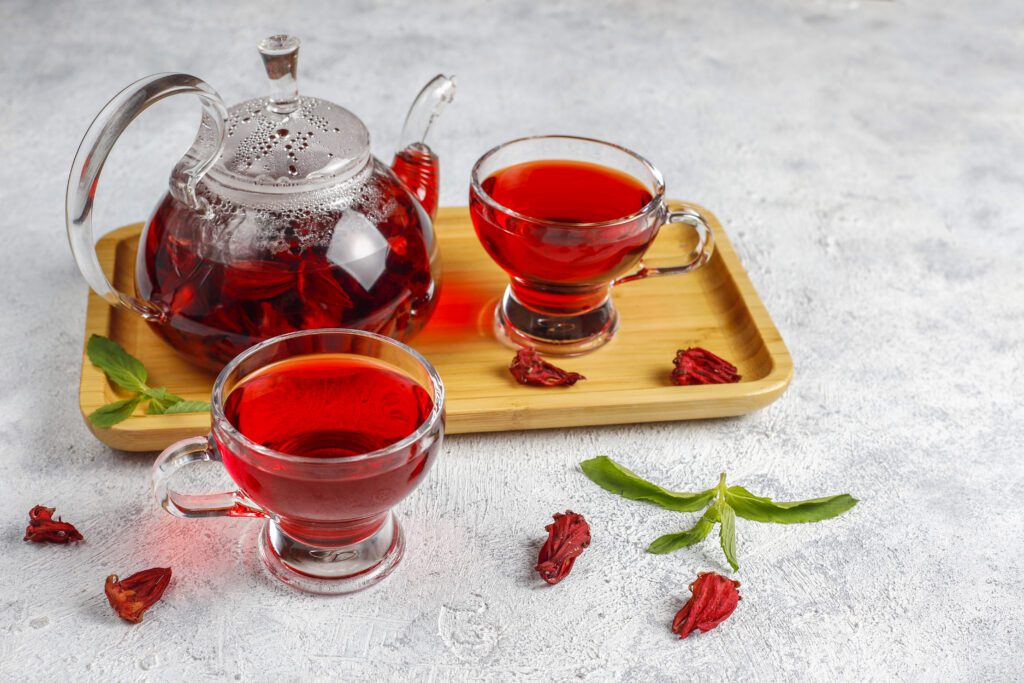
Rooibos Tea: The Perfect Pregnancy Hydration Choice
Now let’s talk about the star of this article: rooibos tea. If you haven’t tried it yet, you’re in for a treat. This South African red bush tea is naturally sweet, earthy, and incredibly versatile.
Is Rooibos Tea Safe During Pregnancy?
Yes, absolutely! Rooibos tea is considered one of the safest herbal teas for pregnancy. Unlike black tea, green tea, or coffee, rooibos contains zero caffeine, making it perfect for any time of day or night.
Does Rooibos Tea Have Caffeine?
This is one of the most common questions, so let’s clear it up: No, rooibos tea does not have caffeine. It’s naturally caffeine-free, not decaffeinated. This means you can enjoy as many cups as you like without worrying about caffeine intake during pregnancy.
Healthcare providers typically recommend limiting caffeine to 200mg daily during pregnancy3. With rooibos tea benefits including zero caffeine, you can sip freely!
Rooibos Tea Benefits During Pregnancy
Here’s why rooibos tea deserves a permanent spot in your pregnancy pantry:
1. Rich in Antioxidants Rooibos contains unique antioxidants like aspalathin and nothofagin. Research published in the Journal of Ethnopharmacology shows these compounds have anti-inflammatory properties4.
2. Supports Healthy Digestion The antispasmodic properties of rooibos tea may help ease common digestive issues like bloating and stomach cramps—common pregnancy complaints.
3. Low in Tannins Unlike regular tea, rooibos is low in tannins. This means it won’t interfere with iron absorption, which is crucial since many pregnant women struggle with iron deficiency.
4. Naturally Sweet No sugar needed! Rooibos has a naturally sweet, slightly nutty flavor that makes it delicious on its own.
5. Mineral Content Rooibos contains small amounts of calcium, magnesium, and zinc—minerals that support pregnancy health.
6. Hydration Without the Bathroom Marathon Unlike caffeinated beverages that act as diuretics, rooibos tea hydrates without making you run to the bathroom every five minutes.
How to Enjoy Rooibos Tea: Delicious Recipes ?
One of the best rooibos tea benefits is its versatility. Here are some pregnancy-safe ways to enjoy it:
Classic Hot Rooibos
- Steep 1 tea bag or 1 teaspoon of loose rooibos in 8oz boiling water for 5-7 minutes
- Add a squeeze of lemon or a drizzle of honey if desired
- Enjoy as is!
Vanilla Rooibos Latte
- Brew strong rooibos tea
- Warm your choice of milk (dairy or plant-based)
- Add ½ teaspoon vanilla extract
- Sweeten with honey to taste
- Froth the milk and pour over the tea
Citrus-Ginger Rooibos
Perfect for morning nausea:
- Brew rooibos with a few slices of fresh ginger
- Add lemon slices
- Sweeten with a touch of honey
- Serve hot or iced
Berry Rooibos Iced Tea
- Brew a strong pot of rooibos and let it cool
- Add frozen berries (strawberries, blueberries, raspberries)
- A splash of orange juice
- Ice and enjoy!
Creamy Rooibos Chai
- Brew rooibos with cinnamon stick, cardamom pods, and a slice of fresh ginger
- Add warm milk
- Sweeten to taste
- A pregnancy-safe alternative to traditional chai!
Other Safe Drinks for Hydration Pregnancy
While rooibos tea is fantastic, variety keeps things interesting! Here are other safe options:
Water (The Foundation)
Plain water should still be your main hydration source. Make it more appealing by:
- Adding cucumber slices and mint
- Infusing with citrus fruits
- Using a fun water bottle with measurement markers
- Setting hourly reminders on your phone
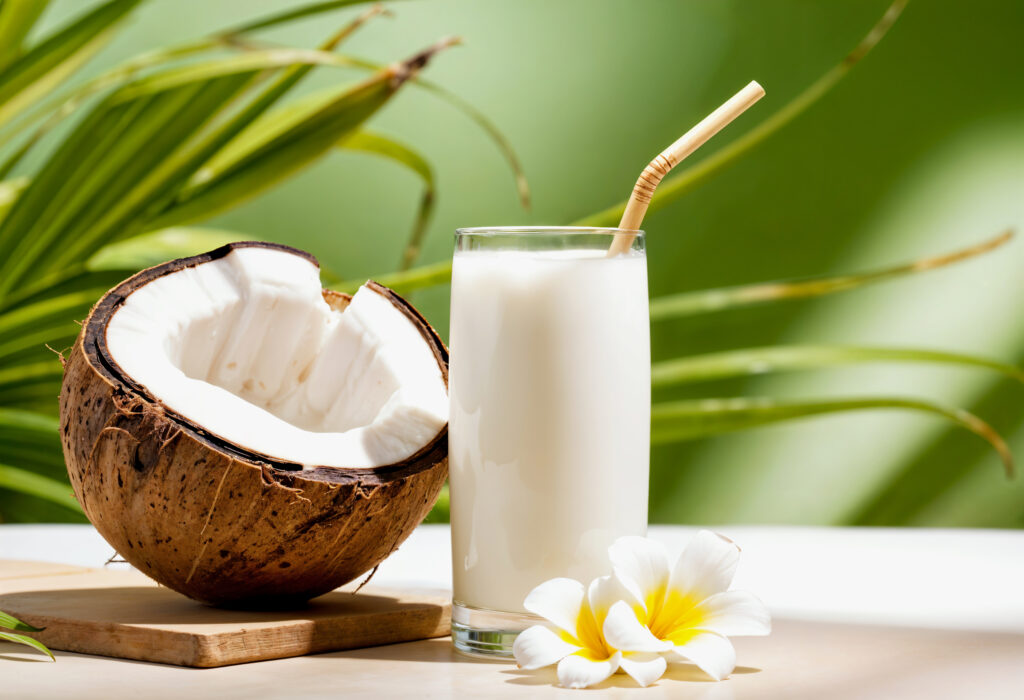
Coconut Water
Natural electrolytes make coconut water excellent for hydration pregnancy. It’s especially helpful if you’ve been experiencing morning sickness.
Safe Herbal Teas
Besides rooibos, these are generally considered safe:
- Ginger tea – Great for nausea
- Peppermint tea – Soothes digestion (but avoid in the first trimester if you have heartburn)
- Chamomile tea – Relaxing, but limit to 1-2 cups daily
Fruit-Infused Water
Mix water with:
- Strawberries and basil
- Watermelon and mint
- Pineapple and coconut
- Orange and blueberry
Milk
Dairy or fortified plant-based milk provides hydration plus calcium and vitamin D.
100% Fruit Juice (In Moderation)
Dilute with water to reduce sugar content. Limit to 4-6 ounces daily.
Drinks to Avoid During Pregnancy

Not all beverages are pregnancy-friendly. Here’s what to skip or limit:
High-Caffeine Drinks
Limit, don’t eliminate completely:
- Coffee (limit to 1 small cup/day if desired)
- Black tea
- Green tea
- Energy drinks (best avoided entirely)
Remember: Does rooibos tea have caffeine? No! That’s why it’s a perfect alternative.
Alcohol
No safe amount has been established. Avoid completely during pregnancy5.
Unpasteurized Juices
These may contain harmful bacteria like E. coli or Listeria.
Herbal Teas to Avoid
Some herbs aren’t safe during pregnancy:
- Cohosh (black or blue)
- Dong quai
- Ephedra
- Goldenseal
- Licorice root (in large amounts)
- Pennyroyal
- Roman chamomile (German chamomile in moderation is okay)
- Rosemary (culinary amounts fine, medicinal doses not)
- Saw palmetto
When in doubt, stick with proven safe options like rooibos tea benefits.
Artificially Sweetened Drinks
While moderate aspartame is likely safe, some experts recommend limiting artificial sweeteners. Stick with natural options when possible.
Excessive Sugary Drinks
Soda and sweetened beverages can contribute to excessive weight gain and gestational diabetes risk.
Pregnancy Hydration Tips: How to Stay Hydrated Without Trying
Struggling to get enough fluids? Try these tricks:
1. Start Your Day with Rooibos Make a warm cup of rooibos tea part of your morning routine. The ritual helps, and you’ll get hydration plus those wonderful rooibos tea benefits.
2. Use a Tracker Apps like WaterMinder or Plant Nanny make hydration fun and visual.
3. Eat Your Water High-water foods count! Try:
- Watermelon (92% water)
- Cucumbers (96% water)
- Strawberries (91% water)
- Lettuce (96% water)
- Celery (95% water)
- Oranges (87% water)
4. Set Hourly Alarms Drink 4-6 ounces every hour you’re awake.
5. Connect Hydration to Activities
- Drink a glass before each meal
- Have water during every bathroom trip (you’ll be making plenty!)
- Sip during TV shows or reading time
6. Keep It Accessible Place water bottles in every room, your car, your bag.
7. Flavor It Up If plain water bores you, rotate through different rooibos tea flavors or fruit infusions.
8. Use a Straw Studies show people drink more when using straws!
Frequently Asked Questions
1-Can dehydration affect pregnancy test results?
Severe dehydration can concentrate urine and potentially affect test sensitivity, but it won’t create a false positive. For most accurate results, test with first-morning urine when it’s most concentrated naturally.
2-Can pregnancy cause dehydration?
Yes! Pregnancy increases your fluid needs significantly. Morning sickness, increased urination, and higher blood volume all contribute to needing more fluids.
3-How does dehydration affect pregnancy?
Dehydration during pregnancy can lead to:
- Low amniotic fluid
- Neural tube defects (in severe cases)
- Inadequate breast milk production
- Premature labor
- Birth defects (in extreme cases)
This is why consistent hydration pregnancy practices are so important!
4-Can you drink rooibos tea while breastfeeding?
Absolutely! Rooibos tea benefits extend into the breastfeeding period. It’s caffeine-free, so it won’t affect your baby’s sleep, and it helps you stay hydrated while producing milk.
5-How much rooibos tea is safe during pregnancy?
There’s no established upper limit for rooibos tea consumption during pregnancy since it contains no caffeine. Most experts agree 3-6 cups daily is perfectly safe. Listen to your body!
6-Does rooibos tea help with morning sickness?
While not specifically proven to reduce nausea, many pregnant women find the gentle, soothing nature of rooibos tea helpful. Try it with fresh ginger for extra nausea-fighting power.
7-Can I drink rooibos tea at night?
Yes! Since rooibos tea does not have caffeine, it’s perfect for evening hydration. It won’t interfere with sleep like caffeinated beverages would.
8-Are there any side effects of rooibos tea during pregnancy?
Rooibos is extremely well-tolerated. Rarely, some people experience mild stomach upset if consumed in very large quantities (more than 10 cups daily). Stick to reasonable amounts and you’ll be fine.
9-Is rooibos tea good for gestational diabetes?
While rooibos tea won’t treat gestational diabetes, it’s a smart beverage choice since it’s naturally low in sugar and caffeine-free. Some preliminary research suggests the aspalathin in rooibos may support healthy blood sugar balance, though more studies are needed6.
10-Can rooibos tea help with pregnancy swelling?
The anti-inflammatory antioxidants in rooibos might help reduce inflammation. While it won’t eliminate swelling entirely, staying well-hydrated with beverages like rooibos tea can help your body flush out excess sodium.
The Science Behind Rooibos Tea Benefits
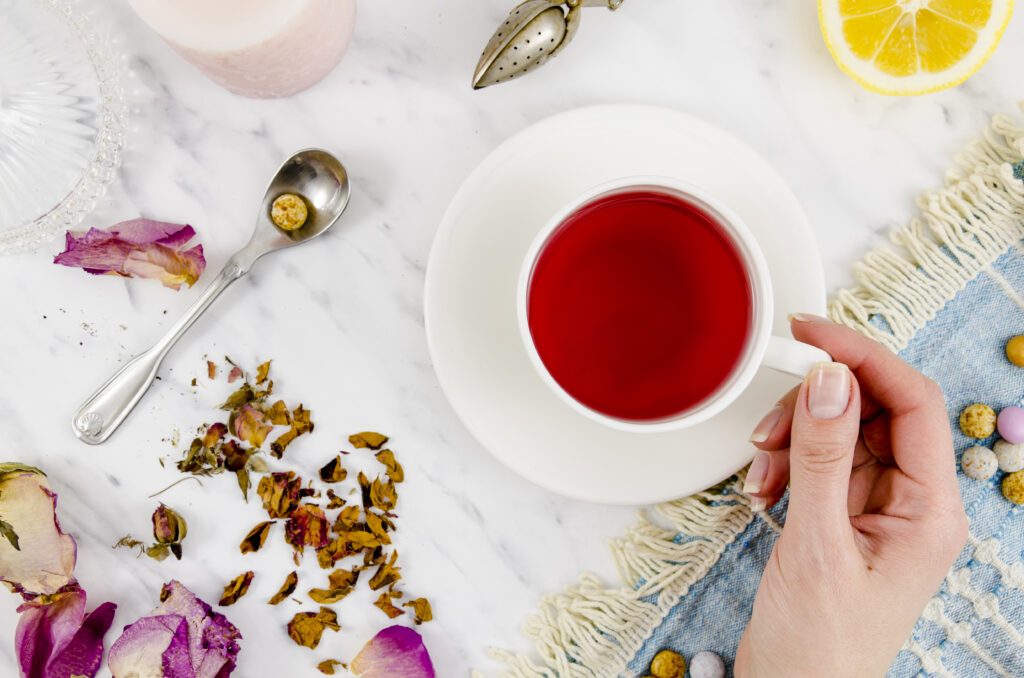
Let’s dig into what makes rooibos so special from a scientific standpoint:
Unique Antioxidant Profile
Rooibos contains two rare antioxidants:
- Aspalathin – Found almost exclusively in rooibos, this compound has been studied for its potential anti-diabetic and cardiovascular benefits
- Nothofagin – Another powerful antioxidant with anti-inflammatory properties
A study in Phytomedicine found that rooibos extract demonstrated significant antioxidant activity, which may support overall health during pregnancy7.
Mineral Content
While not a primary mineral source, rooibos contains:
- Calcium – for baby’s bone development
- Magnesium – supports muscle and nerve function
- Zinc – important for immune health and cell growth
- Iron – though in small amounts
- Potassium – helps maintain fluid balance
No Oxalic Acid
Unlike black and green tea, rooibos contains very low levels of oxalic acid. This is important for two reasons:
- It won’t interfere with calcium absorption
- It’s safer for those prone to kidney stones
Quercetin Content
Rooibos contains quercetin, a flavonoid with antihistamine and anti-inflammatory properties. Research suggests it may support cardiovascular health8.
Creating Your Pregnancy Hydration Plan
Let’s put all this information into action with a simple daily hydration plan:
Morning (7am-12pm)
- Upon waking: 8oz warm water with lemon
- Breakfast: 8oz rooibos tea (try the vanilla latte recipe!)
- Mid-morning: 8oz water or fruit-infused water
Morning Total: 24oz
Afternoon (12pm-5pm)
- Lunch: 8oz water
- 1-2pm: 8oz iced rooibos tea with berries
- 3-4pm: 8oz coconut water or another glass of water
- Snack time: Water-rich fruit (watermelon, oranges)
Afternoon Total: 24oz+
Evening (5pm-Bedtime)
- Dinner: 8oz water
- After dinner: 8oz warm rooibos tea (chamomile-rooibos blend for relaxation)
- Before bed: Small sip of water (don’t overdo it to avoid nighttime bathroom trips!)
Evening Total: 16oz
Daily Total: 64oz minimum + water from food
Adjust this plan based on your activity level, climate, and individual needs. Exercising? Add 8oz for every 30 minutes of activity. Hot weather? Bump up your intake by 16-24oz.
Real Talk: Common Hydration Struggles During Pregnancy
Let’s address the challenges many pregnant women face:
“I’m Too Nauseous to Drink Anything”
Try:
- Ice chips or popsicles
- Small sips every few minutes instead of big gulps
- Ginger rooibos tea at room temperature
- Very cold drinks (sometimes easier to tolerate)
- Drinking through a straw
“I’m Tired of Running to the Bathroom”
Unfortunately, this comes with pregnancy territory! But you can:
- Front-load your hydration earlier in the day
- Reduce intake 2 hours before bed
- Remember: clear, pale urine is the goal
- Know that this is temporary and necessary
“Water Makes Me Gag”
You’re not alone! Many pregnant women develop aversions. Solutions:
- Rooibos tea to the rescue! Hot or iced
- Experiment with different water temperatures
- Try sparkling water (plain or flavored)
- Add citrus, cucumber, or mint to plain water
- Drink from a cup you love
“I Forget to Drink”
Set yourself up for success:
- Phone alarms every hour
- Link drinking to regular activities (after bathroom, before meals)
- Visual cues (rubber bands on your water bottle to track cups)
- Accountability buddy (partner or friend checks in)
- Apps with cute reminders
Rooibos Tea vs. Other Pregnancy Beverages: The Comparison
How does rooibos tea stack up against other popular drinks?
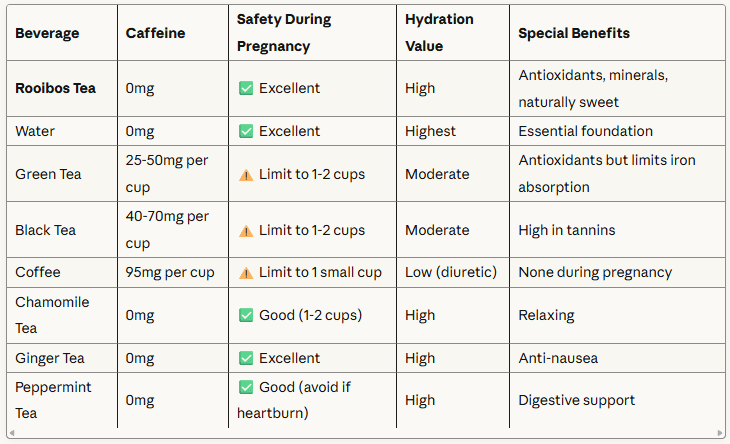
Winner for overall pregnancy hydration: Rooibos tea! It combines zero caffeine, excellent safety profile, great taste, and bonus antioxidants.
Beyond Hydration: Lifestyle Tips for a Healthy Pregnancy
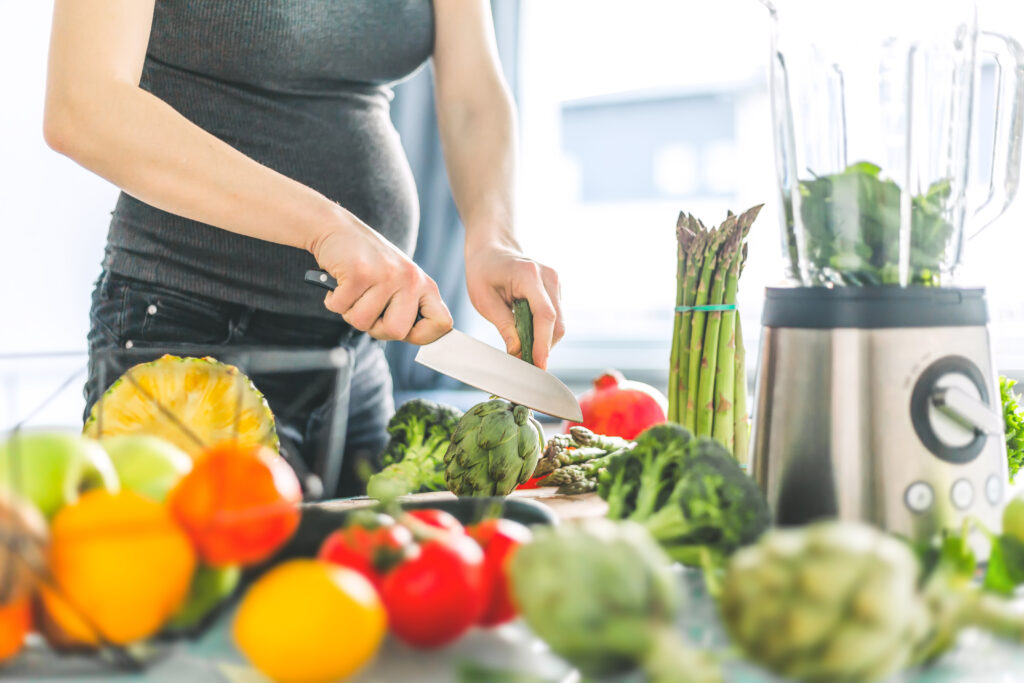
While we’re focused on hydration pregnancy and rooibos tea benefits, remember that overall wellness matters:
Nutrition: Eat a balanced diet rich in fruits, vegetables, whole grains, and lean proteins. Pair your hydration with nutrient-dense foods.
Movement: Gentle exercise like walking, prenatal yoga, or swimming helps circulation and can actually help your body use fluids more efficiently.
Rest: Your body is working hard! Adequate sleep supports all bodily functions, including fluid balance.
Stress Management: Chronic stress can affect everything, including how well your body maintains hydration. Try meditation, gentle stretching, or simply enjoying a quiet cup of rooibos tea.
Prenatal Care: Regular check-ups ensure you’re staying on track with all aspects of pregnancy health, including hydration status.
Special Considerations: When to Talk to Your Doctor ?
While staying hydrated is generally straightforward, contact your healthcare provider if you experience:
- Persistent vomiting that makes it impossible to keep fluids down
- Dark urine despite drinking fluids
- Dizziness or fainting
- Decreased fetal movement
- Severe swelling (especially sudden onset)
- Signs of preterm labor
- Urinary tract infection symptoms
These could indicate dehydration or other issues needing medical attention.
Also discuss with your doctor if:
- You have kidney disease
- You’re expecting multiples (higher fluid needs)
- You have a history of preterm labor
- You live in a very hot climate
- You exercise intensely
The Bottom Line: Sip Smart for Two
Hydration during pregnancy doesn’t have to be complicated or boring. With rooibos tea as your delicious, caffeine-free ally, you can easily meet your daily fluid needs while enjoying wonderful flavors and health benefits.
Remember these key takeaways:
✅ Aim for 64-96 ounces of fluid daily
✅ Rooibos tea does not have caffeine – perfect any time
✅ Rooibos tea benefits include antioxidants, minerals, and digestive support
✅ Variety keeps hydration interesting
✅ Listen to your body’s thirst signals
✅ Avoid high-caffeine and alcoholic beverages
✅ Make hydration a fun, nurturing ritual
Your Next Step: Start Your Rooibos Ritual Today
Ready to experience the rooibos tea benefits for yourself? Here’s your action plan:
This Week:
- Purchase high-quality organic rooibos tea (loose leaf or bags)
- Try at least 2 different rooibos recipes from this article
- Track your daily fluid intake for awareness
- Notice how you feel with improved hydration
This Month:
- Make rooibos part of your daily pregnancy routine
- Experiment with different flavors and combinations
- Share your favorite recipes with other expecting moms
- Notice improvements in energy, digestion, and overall well-being
Throughout Your Pregnancy:
- Continue prioritizing hydration pregnancy practices
- Adjust fluid intake based on season, activity, and how you feel
- Enjoy the ritual of caring for yourself and your baby with each nourishing sip
- Know you’re giving your baby the hydration foundation for healthy development
A Final Word
Pregnancy is a journey filled with changes, challenges, and incredible moments. Staying hydrated might seem like a small detail, but it’s one of the most powerful things you can do for yourself and your growing baby.
Rooibos tea offers a perfect blend of safety, taste, and benefits that make it an ideal companion throughout these nine months and beyond. So fill your cup, take a deep breath, and enjoy this special time.
Here’s to your health, your baby’s health, and many delicious cups of rooibos tea ahead!
Cheers to you, mama! ☕💚
Scientific References
American College of Obstetricians and Gynecologists. (2020). “How Your Fetus Grows During Pregnancy.” ACOG Patient Education. ↩
American College of Obstetricians and Gynecologists. (2015). “Nutrition During Pregnancy.” ACOG FAQ001. https://www.acog.org/womens-health/faqs/nutrition-during-pregnancy ↩
American College of Obstetricians and Gynecologists. (2010, reaffirmed 2023). “Moderate Caffeine Consumption During Pregnancy.” Committee Opinion No. 462. ↩
Marnewick, J. L., et al. (2011). “Effects of rooibos (Aspalathus linearis) on oxidative stress and biochemical parameters in adults at risk for cardiovascular disease.” Journal of Ethnopharmacology, 133(1), 46-52. ↩
Centers for Disease Control and Prevention. (2022). “Alcohol Use in Pregnancy.” https://www.cdc.gov/ncbddd/fasd/alcohol-use.html ↩
Muller, C. J., et al. (2012). “Acute assessment of an aspalathin-enriched green rooibos (Aspalathus linearis) extract with hypoglycemic potential.” Phytomedicine, 20(1), 32-39. ↩
Joubert, E., et al. (2008). “Antioxidant activity of rooibos (Aspalathus linearis) extracts, their major flavonoids, and related compounds.” Phytomedicine, 15(6-7), 338-345. ↩
Pantsi, W. G., et al. (2011). “Rooibos (Aspalathus linearis) offers cardiac protection against ischaemia/reperfusion in the isolated perfused rat heart.” Phytomedicine, 18(14), 1220-1228. ↩
⚠️ Health Notice
This article is for educational purposes only and does not replace medical advice. Consult your healthcare provider before using herbal remedies while breastfeeding, especially if you have medical conditions or take medications. Monitor your baby for reactions.
[…] general well-being, but it does not diagnose or treat any condition. If you have pain, an injury, pregnancy complications, persistent fatigue, or psychological distress, talk to a doctor, physiotherapist, or […]